

Book Review by Dr. Brenda Greene
The prolific award-winning writer Walter Mosley once said that speculative fiction is a natural genre for Black writers, for it allows them to create a world where they center themselves, their history, culture, language, religion, spirituality, and color. Speculative fiction writers are visionaries endowed with gifts that enable them to move beyond the confined spaces of this planet Earth, and in the case of the Black speculative fiction writer Tomi Adeyemi, to imagine an African world where Magi, diviners, and spirits reign the earth, and kings determine who will be in power.
Black Speculative Fiction Month, celebrated annually in October, commemorates the work of Black writers whose fiction encompasses and blurs the genres of magical realism, futurism, horror, fantasy, paranormal, and mythology. Black Speculative Fiction writers create stories of alternative and futuristic worlds that center the Black experience, rooted in traditional beliefs and spirituality, and that raise questions and explore themes of colonialism, imperialism, racism, identity, gender, social inequity, and climate change.
In the novel, Parable of the Sower (1993), the award-winning speculative fiction writer Octavia Butler envisions a post-apocalyptic Earth world set in Los Angeles, where people live in gated communities and where drug-addicted gangs and thieves roam the streets. The country is ruled by a despotic leader. Lauren Olamina, the protagonist in the novel who is endowed with special powers, develops a religion that she calls EarthSeed and leads a group of people on a journey that will enable them to create a new future.
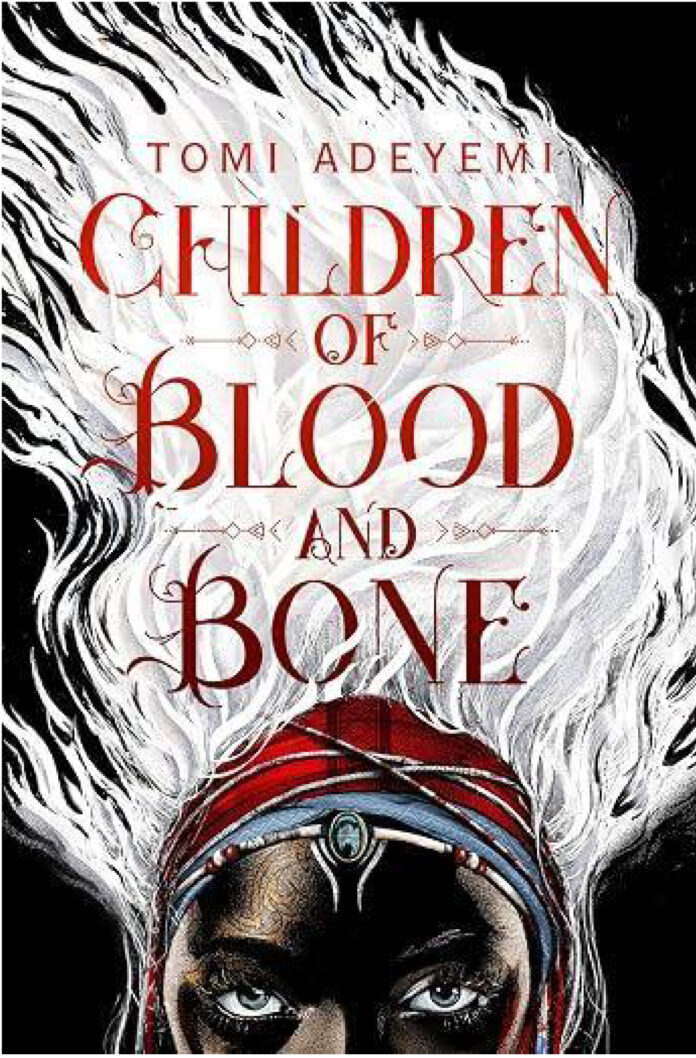
Like Butler, Adeyemi, in Children of Blood and Bone (Square Fish, 2018), creates a fantasy set in a fictional country in West Africa, where an autocratic king rules a country populated by a small number of privileged and wealthy people. The majority live in abject poverty and are subject to being imprisoned or sent to the “stocks” for failure to pay excessively high taxes. Zélie Adebola, the protagonist of the novel, is a young warrior girl from the Yoruba culture who is gifted with special powers and who, with her brother Tzain and the King’s daughter, Princess Amari, attempts to regain the “magic,” which disappears during a Raid by the King.
The characters in Children of Blood and Bone cannot embrace their magic, language, history, culture, religion, and spirituality. Moreover, they are disparaged for their Blackness and thick streaks of white hair. In their Yoruba tradition, Brown and Black people are considered beautiful, virtuous, and blessed by the Gods and are the progeny of the Sky Mother who created humans on earth and who she names the children of blood and bone.
In the heavens, the Sky Mother gives birth to the gods and goddesses, “ . . . each who would come to embody a different fragment of her soul.” Regaining their magical powers will give Zélie and her people control over a life where their Blackness is highly esteemed. This will enable them to live in a world where their traditions, rituals, and spirituality are practiced and celebrated.
Adeyemi has woven a story that is a critique on the abuse of power. It is an exposé of what happens in a world when voices are silenced, when people are forced to speak a language that is not their own, when history and culture are erased, and when corruption rules. In Zélie’s words, this new world is built for the powerful, the people who never have to live in the street, the people who are not witnesses to seeing their families maimed and tortured, and the people who do not have to be afraid.
Zélie is resilient and sets out to illustrate what can happen when people decide to take charge of their own destiny and to reclaim their spirituality and traditions. She heeds the words of the woman who teaches them, Mama Agba, “But the King is ruthless, Zélie. . . . When your opponent has no honor, you must fight in different ways, smarter ways.” Zélie fights for the truth and although afraid, she understands that the truth must prevail.
Although Children of Blood and Bone has been placed under the umbrella of Black speculative fiction for young adults, adult readers who are inspired by stories that blend magical realism, dystopian cultures, and fantasy while providing social and political commentary would be attracted to the novel. The novel has been made into a movie and is scheduled for release in January 2027. Readers of Children of Blood and Bone will have access to a deeper understanding of the characters and the themes explored in the film.
Tomi Adeyemi is a Hugo and Nebula Award-winning Nigerian American writer and storyteller. Children of Blood and Bone is the first in the legacy of the Orisha trilogy for young readers. For more information about Tomi Adeyemi, visit Children Of Blood and Bone – Tomi Adeyemi
Dr. Brenda M. Greene is an Author, Professor Emerita, and Founder and Executive Director Emerita of the Center for Black Literature at Medgar Evers College, CUNY. For more information, visit https://www.drbrendamgreene.com