
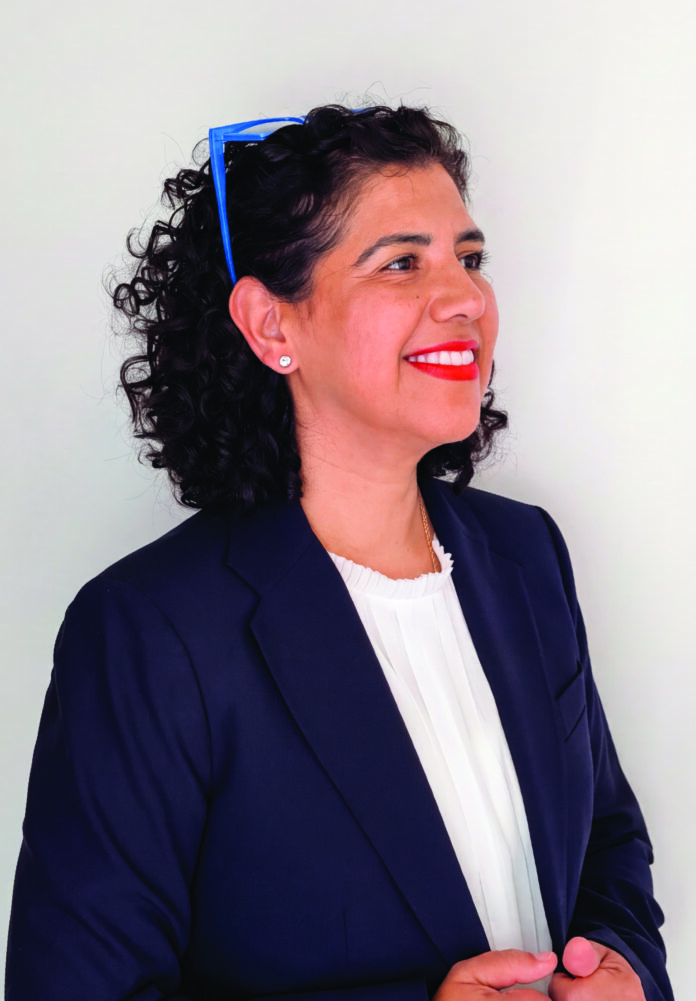

Op-Ed By:Priscilla Ghaznavi
Dear Editor,
As a lifelong independent and recent candidate for Congress in New York’s 7th Congressional District, I read your article celebrating the 2026 midterm elections through a different lens.
Technology has transformed how we communicate, consume information, and form opinions. With each generation, information travels faster. But has our understanding kept pace? Complex issues are compressed into headlines, 280 characters, sound bites, and fleeting moments of attention. We increasingly reward instant gratification over curiosity, convenience over critical thinking, and familiarity over originality. Rather than asking why something works, who created it, or what makes it different, we often settle for what we already recognize. I see this pattern in our political landscape.
I deeply respect President Barack Obama. I contributed to his campaign and attended both inaugurations. His message of hope and change resonated with me. That is precisely why his acknowledgment of election volunteers “from both parties” caught my attention. What about the independents and their teams, whose participation is so easily overlooked?
NPR reported that 173 independent candidates ran for the U.S. House in 2026. How many of their stories did we hear? How many were invited into the public conversation? How many voters could question them alongside major party candidates? And how many were dismissed before anyone had the opportunity to discover what they might contribute?
Throughout my career forecasting color and trends for major corporations, I traveled the world seeking emerging movements before they became mainstream. I visited independent concept shops, met local artists, craftspeople, and designers, and listened to the stories behind their creations. I wasn’t searching for what everyone else was doing. I wanted to understand what made something original, why it resonated, and what it revealed about where society was heading.
Often, the most interesting discoveries came from people working outside established systems. Their work was not necessarily shaped by shareholders, mass production, or the pressure to appeal to everyone. It reflected their communities, experiences, and individuality. I see that same potential in independent political candidates. They may lack established political machinery or prominent endorsements, but they bring lived experience, local knowledge, and perspectives worth examining.
We have watched innovative businesses become household names, only to see some sacrifice the individuality that first distinguished them. As organizations grow, efficiency, standardization, and financial expectations can eclipse originality. Could our political system be experiencing something similar?
New York was built on a spirit of invention. Our neighborhoods are laboratories of possibility. Immigrants, artists, entrepreneurs, and neighbors devise solutions out of necessity, ideas born on our streets influence the world. We celebrate independent thinking in culture and commerce. Why are we less curious about it in politics?
Consider New York’s election laws. In congressional districts where the statutory maximum applies, independent candidates must secure a minimum of 3,500 valid signatures, compared with 1,250 for major party nomination petitions. And those numbers tell only part of the story.
In 2026, Democratic and Republican candidates seeking their parties’ nominations were permitted to begin collecting signatures on February 24. Independent candidates were legally prohibited from beginning until April 14. That is a 49-day head start for major-party candidates before independents could collect their first valid signature.
The major party petitioning period ran from February 24 through April 2. Independents were given April 14 through May 26. And because signatures can be challenged and invalidated, reaching the statutory minimum is not enough to ensure that a candidate survives the objection process. Same office. Same constituents. Same Constitution. Nearly three times the signatures, a later starting date, and a different set of rules before a single vote is cast. Is this what equal opportunity looks like in American democracy?
And then comes the ballot itself. In New York, you can run as an independent candidate without being identified as an independent on the ballot. Let that sink in.
New York law restricts the use of the words “Independent” and “Independence” in political party names and imposes naming restrictions on independent ballot designations. Instead of appearing under a straightforward description of their political independence, candidates must navigate a separate naming process. I ran as a lifelong independent, yet my ballot line read Our Future.
Imagine being a voter who wants to support an independent candidate but does not recognize the unfamiliar name printed beside that candidate. How is that voter supposed to know what the designation represents? The law may distinguish between a political party and an independent body. But how many ordinary voters understand that legal distinction when standing in a voting booth?
We celebrate Independence Day and the Declaration of Independence, yet an independent candidate cannot simply rely on the word that describes their political identity to communicate that independence to voters. What purpose does this distinction serve? Whom does it benefit? And why should voters have to decode the ballot to understand whom they are considering?
Where are the public forums where constituents can question every candidate? A declared position is not the same as an understanding of how someone thinks. Can a candidate say, “I don’t know”? Can they explain how they would investigate an unfamiliar problem, weigh competing interests, evaluate evidence, and develop a solution? Those answers reveal more about leadership than rehearsed talking points.
Across the country, independent candidates who stepped forward in 2026 gained something that cannot be measured by election night results alone: knowledge, experience, relationships, and a deeper understanding of the communities they sought to represent. Many earned the respect and goodwill of neighbors by taking risks, challenging convention, and showing up to do the work. Their contributions should not be reduced to a tally of votes. Nor should the value of civic participation be measured solely by who ultimately holds office.
The greatest injustice is to the voting public. When voters are not afforded a meaningful opportunity to hear from and question every candidate seeking to represent them, how can we expect them to make an informed decision? And what does democracy truly mean when the choices presented are narrower than the possibilities that exist?
Endorsements can help voters navigate an election, but they cannot substitute for scrutiny. Political prominence should not determine whose qualifications, ideas, and community contributions receive examination. And journalism should widen the conversation, not merely reproduce the familiar one. During my campaign, a publication misidentified my professional background and mischaracterized my positions. Rather than asking follow-up questions, it published assumptions. Readers received an inaccurate account of someone asking to represent them. Independent community publications, especially, can illuminate perspectives that larger political and media institutions overlook.
I do not believe every independent candidate has better ideas, just as I never believed every independent designer produced better work. The point is to investigate what is different, understand its origins, and give it a fair hearing. Democracy cannot be measured by turnout alone. It must also be measured by access, fairness, informed participation, and the opportunities voters have to evaluate those seeking to represent them.
Originality drives innovation. Independent thought challenges convention. Democracy must leave room for both. We cannot claim to celebrate diverse perspectives while continually narrowing the conversation to familiar names. Our future deserves more than a choice between what we already know.
So I direct a challenge to President Barack Obama, Senator Bernie Sanders, Mayor Zohran Mamdani, and every current and former elected official who invokes the principles of equality, opportunity, and democracy: Will you publicly commit to examining and challenging unequal ballot access laws, beginning in New York, and support meaningful reform across the United States before the 2028 election?
Mayor Mamdani: You have spoken about challenging established political power and opening government to people whose voices have historically been overlooked. Shouldn’t that principle extend to the rules determining who can compete for public office? What would it mean to challenge the political establishment while leaving the barriers protecting established political parties unexamined?
Senator Sanders: You have spent decades serving in Congress as an independent, demonstrating that political independence and public service are not mutually exclusive. Will you use the recognition and influence you have earned to advocate for independent candidates who do not possess the political infrastructure, national visibility, or resources available to you?
President Obama: Your message of hope and change inspired millions, myself included. You reminded Americans that participation could transform our democracy. Shouldn’t that vision extend beyond the two major parties to include Americans who choose to serve without belonging to either? When you acknowledge those who sustain our elections, will you also recognize the independent candidates and volunteers who contribute to that democratic process?
And to every elected official who speaks about protecting democracy: Are you prepared to examine the rules that govern access to it, even when those rules benefit the political institutions to which you belong?
New York lawmakers have the authority to change New York’s election laws. Legislatures in other states must examine their own. National political leaders can use their influence to demand that those conversations take place. The public deserves more than another speech celebrating democracy. It deserves an open examination of the disparities, a commitment to legislative reform, and a timetable by which progress can be measured.
If we can celebrate 250 years of American independence, surely we can examine how we treat independent candidates across the United States before the 2028 election. The question is no longer whether we believe in independence. It is whether we believe in it enough to change the rules that determine who gets a fair opportunity to participate.
#MissIndependent https://youtu.be/k6M5C-oKw9k?