

By Fern Gillespie
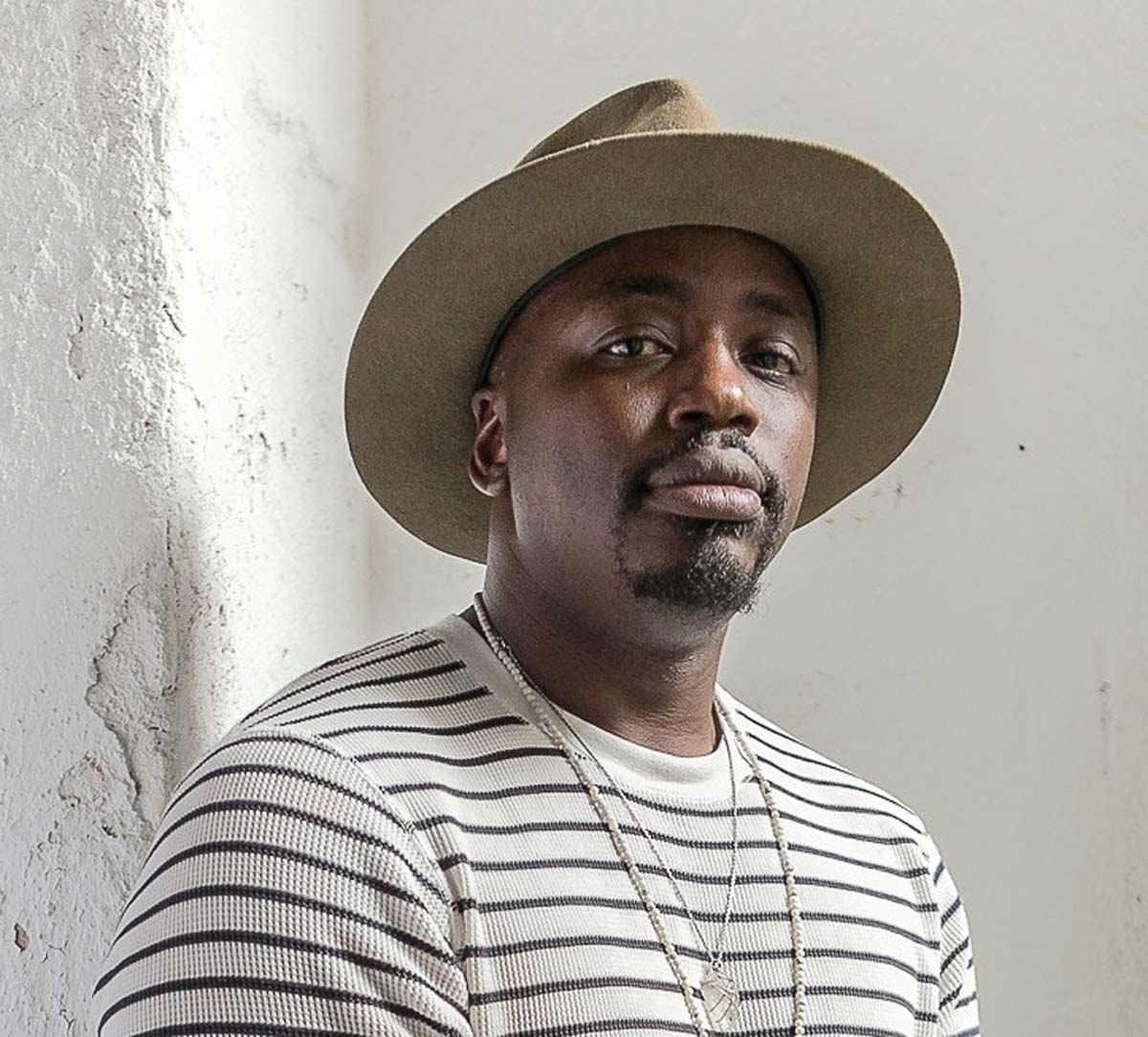
Rasu Jilani is a self-described “social sculptor.”
As Executive Director of the Brooklyn Arts Council (BAC), he creatively sculpts his leadership experience in arts, tech, business, foundations and social justice and molds it with his skills as a curator, producer, artist and cultural steward to create arts grants that have a social impact on the lives of Brooklyn residents.
“We are one-part philanthropic organization and one-part cultural institution. Our institution engages communities from kindergarten to retirement.” Jilani told Our Time Press. “At Brooklyn Arts Council, our frame is really social justice because we believe that art is not created in a vacuum.”
BAC empowers artists and communities through holistic programs focused on creativity, wellness, and social justice. It champions racial, gender, and ethnic equity and cultural heritage by partnering with art communities for inclusive programming. It also focuses on the wellness and professional development of artists.
“Most of the artists that are funded are first-time artists, early-stage artists and mid-career artists,” explained Jilani. “Almost 33 percent of the grantees are getting their first grant in the arts.” Approximately 76 percent of BAC funding comes from the government–city, state, and national. There are also foundation and private philanthropy donations and collaborations with SU-CASA with senior and youth projects. BAC is one of five Arts Councils in New York City. There is one in each borough. At BAC, grants range between $2,000 to $15,000. In 2023, BAC’s Brooklyn Arts Fund distributed $592,000 to 136 projects across Brooklyn. The BAC Local Arts Support distributed $255,000 to 56 projects across the borough. The Creative Equations Fund donates $10,000 to groups.
“You can’t create artwork without saying how it is going to impact your community or what frame or lens your artwork is responding to. It holds the artist accountable to
be a messenger of the time,” he said. “Brooklyn artists are able to articulate in ways they show up in the world. They are socially conscious and creative. That’s what makes Brooklyn unique.”
BAC impacts communities in Sunset Park, Brownsville, East New York, and Crown Heights, which are sometimes overlooked. “These neighborhoods are typically, historically, out of the reach of the cultural arm of New York City,” he said. “They are forgotten communities when you think about resources. They have a rich culture, but the culture may not have been valued, interpreted, preserved, or acknowledged by the cultural sector.”
BAC partners with churches, city officials, organizations, block associations to engage the public. “We are there in schools, adult centers, libraries, block parties, gatherings, shows, or theater. We are funding. We are programming,” he said. “That’s the reason why these partnerships are so important.”
Jilani brings a certain panache for social justice culture to the Brooklyn Arts Council. He was born in St. Croix, U.S. Virgin Islands, and raised by his mother in Queens. Cross-cultural curatorial skills were honed in positions like Cultural Network Curator at Lambent Foundation, Director of Recruitment/Community Engagement at the New Museum’s art and tech incubator, and working with artists, designers, tech, and entrepreneurs at NEW INC. As an artist-activist, he founded Coup d’etat BROOKLYN and Coup d’etat Arts and was also a producer for Afropunk. Jilani earned his Bachelor of Science degree in Information Technology and African American History from Syracuse University.
There is a new generation of Black executive leadership heading Brooklyn nonprofits. Jilani is part of that. “After the ‘racial reckoning,’ the folks being called to be advisers, deputy directors or curators found roles starting to open up. Paradigms were shifting,” he said. “A new wave of leadership was being called in. We saw a Black and Brown leadership emergence specifically focused on Brooklyn.”
BRIC, BAM, Brooklyn Org, 651 ARTS, Laundromat Project, and the Brooklyn Children’s Museum are some of the organizations also being run by a Black executive. “I’ve never seen this much Black leadership in Brooklyn,” he said. “We’re all working together, forming coalitions. We are collaborating programs with each other on how to apply for mutual funding together in ways that our predecessors would never imagine.”
As a social sculptor, Jilani looks at the next generation of artists. “I believe our next generation of grantees are currently in middle school. If you look at middle
schoolers, they are on their devices all day,” he pointed out. “So how does BAC intercept their attention or meet them where they’re at in the digital space and fund their interest? There might be a space for digital art in the future. Creative technology in the future. We should be there.”