Home Blog Page 14

Optimism, Productivity, and New Normalcy for 2026

0

By Nayaba Arinde
Editor-at-Large


Keep your head up, and on a swivel, could be hardy advice as New Yorkers enter 2026 with all the local, national, and international concerns.
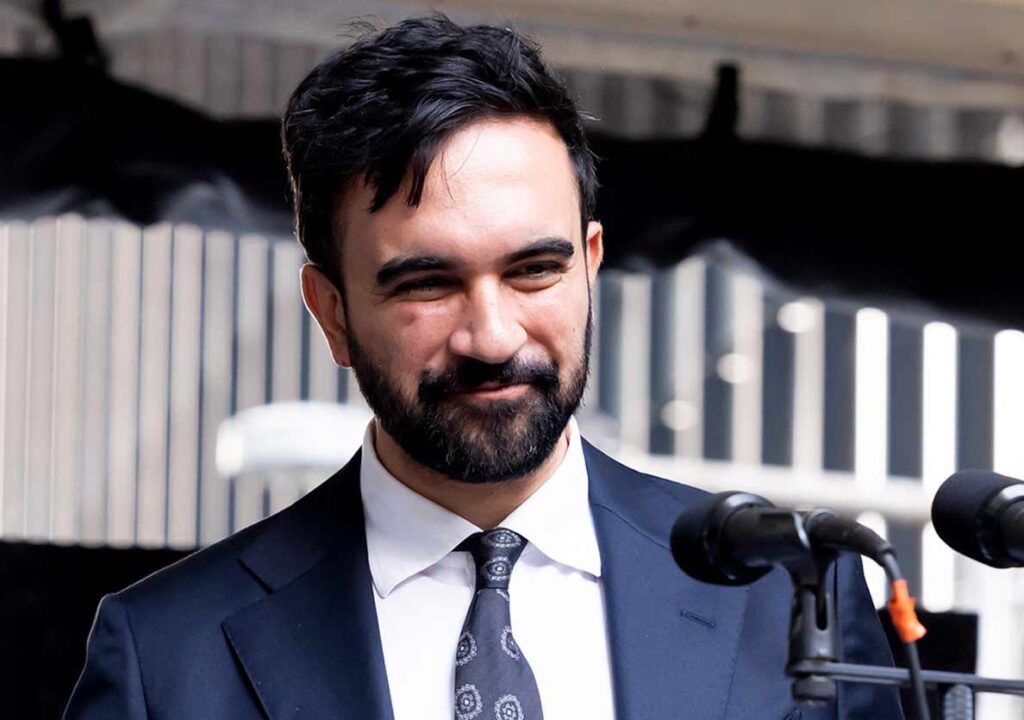
Zohran Mamdani, seen here during the NAN March on Wall Street on August 28, 2025 in New York City, was inaugurated mayor of New York City, Jan 1st, 2026 (Photo by BG048/Bauer-Griffin/GC Images)


As Mayor Zohran Kwame Mamdani took office on January 1, 2026, he is facing a panorama of citywide problems including: housing issues, education concerns, conflicting crime rate reports and community perception, public safety reality-based anxiety, burgeoning NYC homelessness–with around 100,000 people sleep in shelters, including over 35,000 children, striving for effective youth engagement, addressing economic and political tribulations, and handling these increasingly frequent weather emergencies.


As he named key members of his cabinet in this last few days, Mamdani said,
“The rule-of-law is the bedrock of good governance, effective leadership, and a city that works for working people.”


New Yorkers are bracing for New Year changes.
In the city, affordability is the latest top of mind.
Some healthcare premiums will double or triple as of January 1st, 2026.. After last year’s government shutdown, and Congress failing to come up with a workable solution, and the expiration of enhanced premium tax credits, more than 20 million people who have the Affordable Care Act (ACA) Marketplace may lose their coverage.
There will be big changes for recipients of SNAP benefits too, with expanded work requirements, and new purchase restrictions.


With the sprawling housing crisis amid avenues filled with new million-dollar condos, Mamdani says he is committed to creating new housing and rent freezes for those in rent-regulated homes.


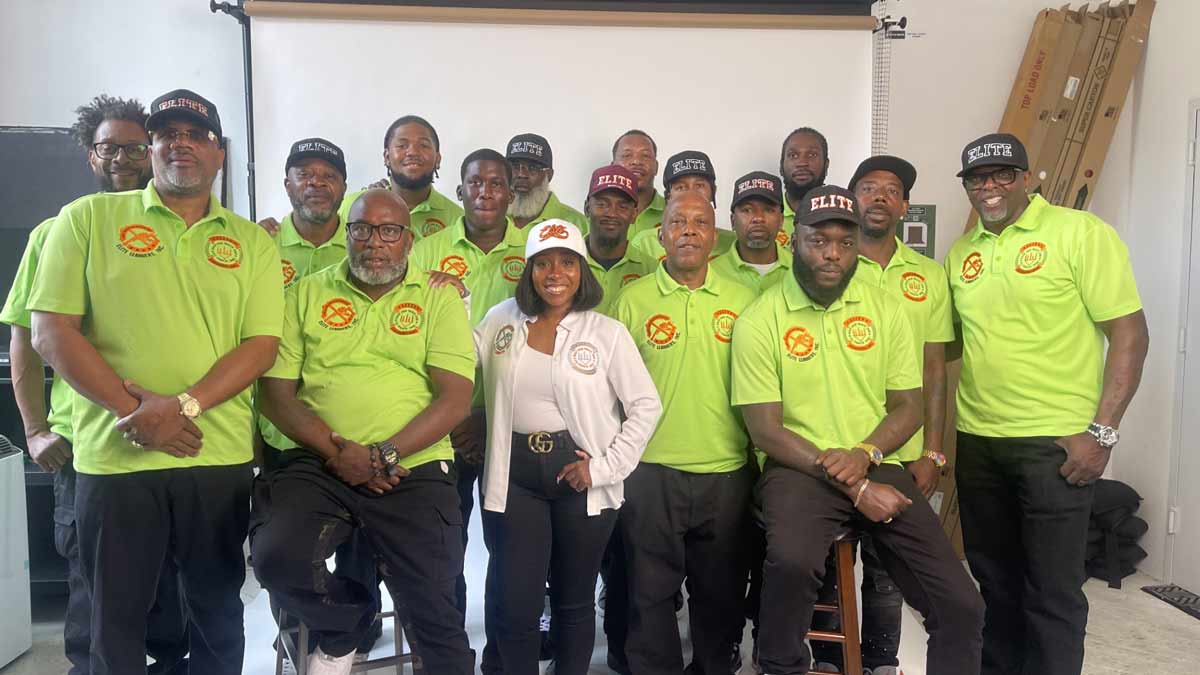
Then there are the young people shooting each other in broad daylight on busy streets, with complete and total disregard for theirs or anyone else’s life or safety. Camera Jackson, CEO of Elite Learners Inc., told Our Time Press, “The path to safer communities runs directly through our commitment to our youth…We will expand our advocacy for policies that ensure every young person has access to the resources they need to succeed. And we will continue to demonstrate that when we invest in our youth—truly invest in their whole well-being—we create lasting public safety.”


On New Year’s Eve eve (Tuesday, December 30, 2025), Jackson told Our Time Press, “As we stand on the threshold of 2026, I am filled with both pride in what we’ve accomplished and determination for the work that lies ahead.

Yesterday’s recognition from Mayor Eric Adams, receiving a key to the city alongside 28 other dedicated organizations, validates what our communities have long known: that violence is preventable when we treat it as the public health crisis it truly is.”


Like Jackson, Man Up Inc., founder A.T. Mitchell-Man also received a key to the city from outgoing Mayor Eric Adams on Monday morning. However, he is wrestling with monitoring the recovery of his niece, who was shot three times while waiting for an Uber last month, outside her friend’s sweet 16th birthday party in East New York.


‘It is bittersweet because today is my niece’s 16th birthday,” said the Cure Violence leader and Adams administration Gun Czar. “She is the worst of the six victims,” said Mitchell-Mann. “She got shot three times. She got struck once in her chest, once above her waist, and another bullet in her knee.”

He told Our Time Press that everyone is distraught and trying to handle the situation in a strong, supportive family manner.


“This hits home,” he said. “My thoughts are with the other victims too. Our community should not have to worry about allowing our children to go out to a Sweet 16 birthday party, and it turns into a mass shooting. My niece is asking why did it happen to her. But even though her complete recovery may take time, she is strong and has her family and community to see her way back to normalcy.”


Camara Jackson declared, “Effective violence prevention requires addressing root causes. Young people don’t need just conflict mediators; they need stable housing, nutritious food, quality education, and accessible mental health support. These aren’t luxury services; they’re fundamentals that underpin safe, thriving communities.”


Looking toward 2026, Jackson stated that Elite Learners is calling on all New Yorkers to join in as Crisis Management work has shown to be effective continuously. “The historic low numbers in homicides and shootings this year didn’t happen by accident,” she proclaimed. “They happened because organizations like ours, working in partnership with communities and city leadership, chose to see young people not as problems to be controlled but as individuals deserving of support, opportunity, and hope.”

Grassroots activism will be increasingly active in 2026.
Dr. James McIntosh, co-founder of the Committee to Eliminate Media Offensive to African People, in the wake of their victory to have Netflix cancel the “offensive” reboot of ‘Good Times,’ told Our Time Press, “Every time you feel tired,defeated or even pessimistic, say to yourself, ‘Harriet Tubman and Nat Turner wouldn’t feel sorry for me.’” The retired psychiatrist declared, “Remember our Ancestors during the enslavement period would pray for our worst day. We are blessed with the freedom to fight.”


It is thick and pressing in the field of fighting for justice, equality, and recompense.
“Courage is free to all those who want it,” professor and author Gloria Browne-Marshall, told Our Time Press. “Don’t be a freedom freeloader. What can you give to help the cause of justice for our community?”


Seemingly channeling the same energy and community advice as the veteran community activist McIntosh MD, the author and CUNY educator continued, ““We must hope for the future we need to have. That’s what our Ancestors did. They had less, worked against worse opponents, with less. Yet, we are here because they fought the good fight.”
Professor Browne-Marshall concluded, “I remind myself (and others) that God does not reside at 1600 Pennsylvania Avenue.

“Ask yourself. What would Harriet Tubman do??”
As America launches its 250-year anniversary celebrations, alongside the about-to-be historic midterms, folks are going to be inundated with agitprop.
Art activism has always been an option.


“As we move into 2026, dance, music, and art continue to be powerful ways to bring people together centered around a common interest and shared goal,” said Zakiya Harris, Artistic Director, School of the Arts, Asase Yaa Cultural Arts Foundation.


She told Our Time Press this week, “Through dance and music, we move in rhythm, build discipline, and experience joy collectively. Through art appreciation, we learn to observe, reflect, and value perspectives beyond our own. These practices remind us that connection happens not just through words, but through shared experiences.”


Art is an integral, moulding, and informing part of people, a city, and indeed the globe.
As Asase Yaa celebrates 25 years of dynamic creativity, “Harris continued, “We are reminded that arts education, especially for young people, creates a lasting sense of belonging and purpose.

In community-based arts spaces, students learn collaboration, focus, and care for one another. When we gather to create, rehearse, and perform, our minds become clearer, our relationships stronger, and our community more unified. Art helps us move humanity forward together with intention, balance, and hope.”
“When We Trouble the Waters…”

0

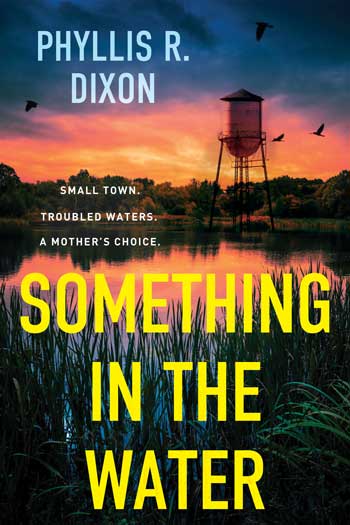
“Something in the Water” by Phyllis R. Dixon – Review by Dr. Brenda M. Greene

Phyllis Dixon’s novel, Something in the Water (Kensington, 2025), based on a compendium of facts in our environment, portrays the underlying reasons for troubled waters in a family and community. The troubled waters are a metaphor for opioid addiction, pollution, corruption, criminal acts, death, and marital conflict.

When we trouble the waters, we invite trouble into our spirit, our lives, our bodies, our homes, our places of worship, and our sites of memory (as Toni Morrison informs us in her essay, “Sites of Memory”.) Morrison posits that water has a perfect memory, and it seeks to get back to where it was, despite natural obstacles and destructive environmental elements.

Phyllis R. Dixon


Billie Jordan, a talk show host, investigative journalist, and environmental and social activist, is the protagonist of Something in the Water. Related themes in this novel include the role and impact of Historically Black Colleges (HBCUs) and the importance of family legacy. The novel begins when Billie is forced to get a new job because she loses her full-time position after the family-owned radio station for which she works is sold to a major corporation.

Faced with finding a new job, a son who has become addicted as a result of the misuse of opioid medication, and mounting debt, Billie and her husband Cole decide to relocate to Calderville, Texas, the small, predominantly Black community where her husband was raised. He has a job offer as a tenure-track professor in economics and a chance to coach a baseball team at Calder State College, the HBCU that he attended.


Dixon structures the book into six sections: Troubled Waters, Fish Out of Water, Like Oil and Water, Rough Seas, Making Waves, and Unchartered Waters. These sections focus on opioid addiction and water pollution and symbolize troubles in Billie’s personal life, workplace, and community. What begins as medical condition for her teenage son Dylan results in addiction for a promising athlete who is on his way to college and who has received awards and scholarships for his swimming. Dylan is constantly in and out of costly rehabilitation centers, thus putting a financial and emotional strain on Billie and her husband Cole.

When Billie begins an investigation into the water problem and discovers various forms of corruption and the resulting impact of this environmental crisis on the health, quality of life, and water treatment centers in Calderville, her position at work is threatened. Cole warns her that a pursuit of the water problem could negatively impact his position as a professor. Her cousin Lovey states that she does not worry about the water: “I been drinking this water for eighty years and other than a little arthritis, I’m still alive and kicking with no complaints. Plenty stuff to worry about other than water.”

Her sister-in-law Joellen informs her that: “My family has been prominent in this country for a long time. Nothing happens without people making money from it. That’s the way the world works.”
Billie has been an activist all of her life and is persistent. She faces many obstacles as an outsider in Calderville, as the mother of an addicted son, and as a Black woman who refuses to overlook the crisis in her community.

A passionate advocate for her son, she comes to understand that her son’s addiction spiraled as a result of the overuse of prescription drugs and she will not give up on him. She also understands that solving the water problem is a slow and tedious process that requires perseverance. Billie refuses to be complicit as a result of inaction. She navigates the challenges facing her with resolve. Her advocacy epitomizes James Baldwin’s words that “Not everything that is faced can be changed, but nothing can be changed until it is faced.”


The issues raised in Something in the Water are timely and will resonate with many people. Opioid addiction is still a major public health crisis in this country and climate change and pollution have resulted in a critical environmental crisis. Current government efforts dismantling environmental justice policies and funding efforts are negatively affecting disadvantaged populations, Brown and Black communities, and rolling back the initiatives of previous administrations.

The water crisis was highlighted in Jackson, Mississippi in 2022 when a state of emergency was declared because of the failure of a water treatment plant. In Memphis, Tennessee, local residents protested the installation of a pipeline transporting crude oil from Texas and Oklahoma. The project was initially cancelled, but the Tennessee state legislature passed a bill that allowed it to preempt local authority over oil and gas projects. Support for our public health and environmental justice crises must be vigilant.


Phyllis R. Dixon is the author of the novels Forty Acres, Down Home Blues, Intermission, and A Taste for More. For more information, visit her website at https://www.phyllisrdixon.com.

Dr. Brenda M. Greene is Professor Emeritus and Founder and Executive Director Emeritus of the Center for Black Literature at Medgar Evers College, CUNY. For more information, visit https://www.drbrendamgreene.com

Black Brooklyn Influencers

0

by Fern Gillespie

In recognition of the New Year, Our Time Press reached out to Brooklyn’s influential leaders in healthcare, the arts, and advocacy to examine their programs’ impact on Black Brooklyn residents in 2025 and explore their goals for 2026.

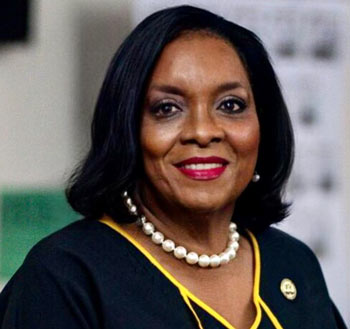
Dr. Divinah “Dee” Bailey,
Founder, Watchful Eye

As a veteran healthcare advocate working with Brooklyn’s Black residents, what were some of the accomplishments of Watchful Eye in 2025?
In 2025, we did very well in terms of involving prominent leaders around HIV and AIDS. Putting HIV and aids on the agenda. There still is no cure. But we were also very successful in being able to bridge the gap between HIV and AIDS and regular healthcare. We really concentrated on the Black clergy. The clergy is the most respected leader in our community.

Dr. Divinah “Dee” Bailey

They helped us get the word out in terms of going to the doctor and getting the proper care. To not use the urgent care centers as your primary care physician. We partnered with health centers and doctors’ offices in 2025 bridging the gap of communication.

We did wonderful work with Brooklyn One Healthcare. They partnered with us and other healthcare providers in the community so that the hospital is the ultimate place that you go. It shouldn’t be where you just go when you don’t feel well.

Also, we worked well with the legislators like Congressman Jeffries on the government shut down, and how many people would be impacted with their healthcare, Medicare and Medicaid. In Brooklyn, we brought community leaders and people together and said our people are still dying.

They are not accessing care and continue to suffer in silence. I’m very pleased about the relationship we have with the New York City Department of Health and Mental Hygiene and their new programs that support mental health care. Watchful Eye has been working hard in developing new community partners and bringing people on board.

What is the goal of Watchful Eye in 2026?
In 2026 we plan to do outreach and messages the way we used to years ago. With social media, we lost the personal approach. We are going back to holding community meetings, senior meetings and working with our legislators so that healthcare is on their agenda.

That’s meeting people and seeing that I’m reaching them and making sure they have your phone number so they can call. We are using the clergy even more. They are having health ministries in the churches. Watchful Eye wants to serve, knowing our accomplishments, and know that we are making a difference.

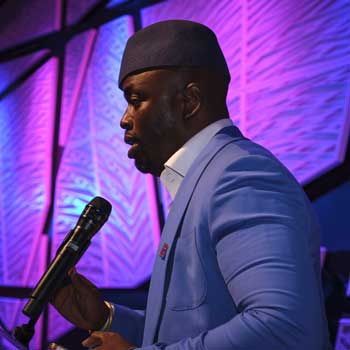
Rasu Jilani, Executive Director,
Brooklyn Arts Council

With a presidential administration that is anti-DEI, did Brooklyn Arts Council face challenges funding the arts in 2025?
Yes. 2025 was a particularly tight and uncertain funding year across the arts sector, and those pressures were felt well beyond public funding alone. Across Brooklyn and beyond, organizations and artists were forced to make difficult decisions—cutting budgets, scaling back programs, and in many cases reducing staff—to make it through the year.

Rasu Jilani

We saw this at every level of the ecosystem, from large-scale museums and institutions to mid-size and small organizations. As a mid- to small-sized organization, Brooklyn Arts Council was somewhat more nimble. We were able to make targeted adjustments, manage expenses carefully, and stay responsive without losing sight of our mission. Still, the year required discipline, adaptability, and constant recalibration.

Toward the end of the year, however, sustained advocacy and collective action began to yield gains. Increased support from the New York City Department of Cultural Affairs strengthened both our organizational capacity and our regranting programs – meaning more direct funding flowing to artists. So, while 2025 was challenging and, at times, precarious, it ultimately reaffirmed the importance of arts councils as trusted intermediaries; organizations capable of holding complexity, stewarding resources responsibly, and advocating for artists during moments of uncertainty.

What is the mission for Brooklyn Arts Council in 2026?
In 2026, Brooklyn Arts Council’s mission is deeply shaped by BAC 60: our 60th anniversary. Also, by a forward-looking reimagining of what an arts council must be in the 21st century. BAC 60 is not simply a celebration of longevity; it is a recognition of 60 years of service to artists and communities. Our mission in 2026 is to reimagine the arts council as a facilitator of collaboration rather than a siloed entity to move from individual institutional awareness toward collective cultural awareness. This means prioritizing partnership over competition, participation over hierarchy, and ecosystem health over singular organizational growth.

As we enter our seventh decade, Brooklyn Arts Council is focused on helping shape a future where artists are supported not in isolation, but as part of a connected, resilient, and collective cultural landscape. That is the pathway forward and the promise of BAC 60.


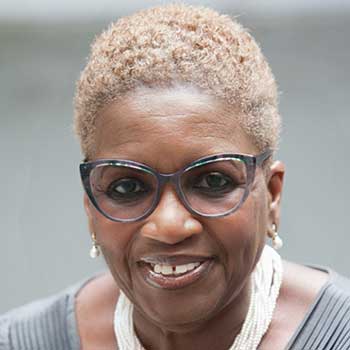
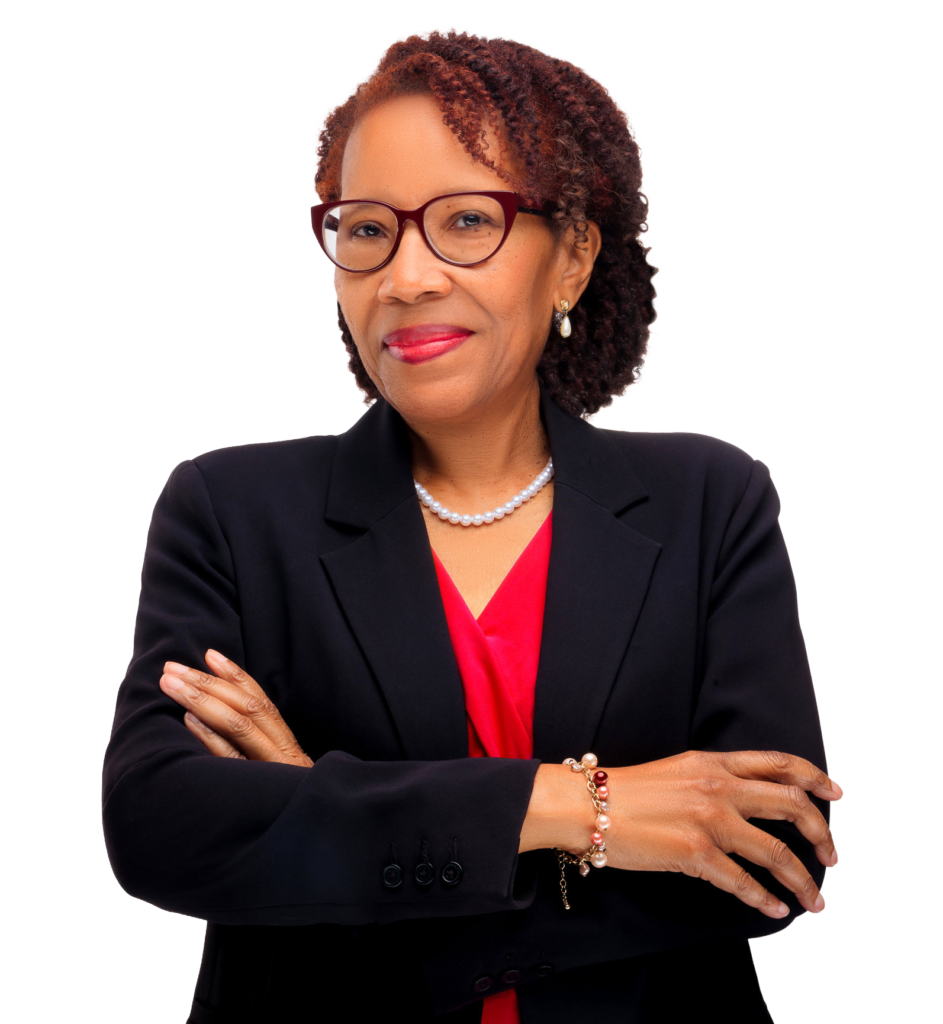
Celeste Morris, President, Morris Allsop Public Affairs and Founder, Advocacy Academy
As an advocacy advisor, what did you see were the primary problems facing Brooklyn residents during 2025?
For 2025, Brooklyn’s affordability was the overwhelming concern. From my observation, housing and food are the primary culprits. Three aspects of housing raise red flags – rents, homeownership, and homelessness. Developers have found ways to circumvent the new laws the city council has adopted. Rents are higher than ever, particularly for rent-stabilized dwellings. Property taxes, deed theft, foreclosure, and Airbnb rules are concerning small homeowners.

Celeste Morris

Food insecurity is rampant. Longer food lines are evident. Wages and government benefits are not keeping up with the true cost of living. Suspension or changes in snap benefits have resulted in the need for more pantries and more donations. Nonprofits are struggling to keep their doors open and to meet increased demand.


In 2026, do you think there will be a rise in community activism during the upcoming NYC progressive mayor administration, and also dealing with the conservative presidential administration?
The challenge for 2026 is to find truly workable solutions. The recent municipal elections demonstrated the power of voting, civic engagement and group voices.

Increased activism and advocacy must be the goal, especially from those who have lived and invested here for decades. There has been a call for “backup” from some elected officials. Policymakers need to hear from constituents. This helps to support their fight for the people they represent. The power of calling, writing, and attending meetings of elected and government officials, community-based non-profit organizations, and tenant/block association groups is more critical than ever.


Crisis often brings wake-up calls. The Advocacy Academy that I lead at the Center for Law and Social Justice at Medgar Evers College has recently graduated our largest class ever. I am hopeful that “woke” leads to unprecedented levels of activism.

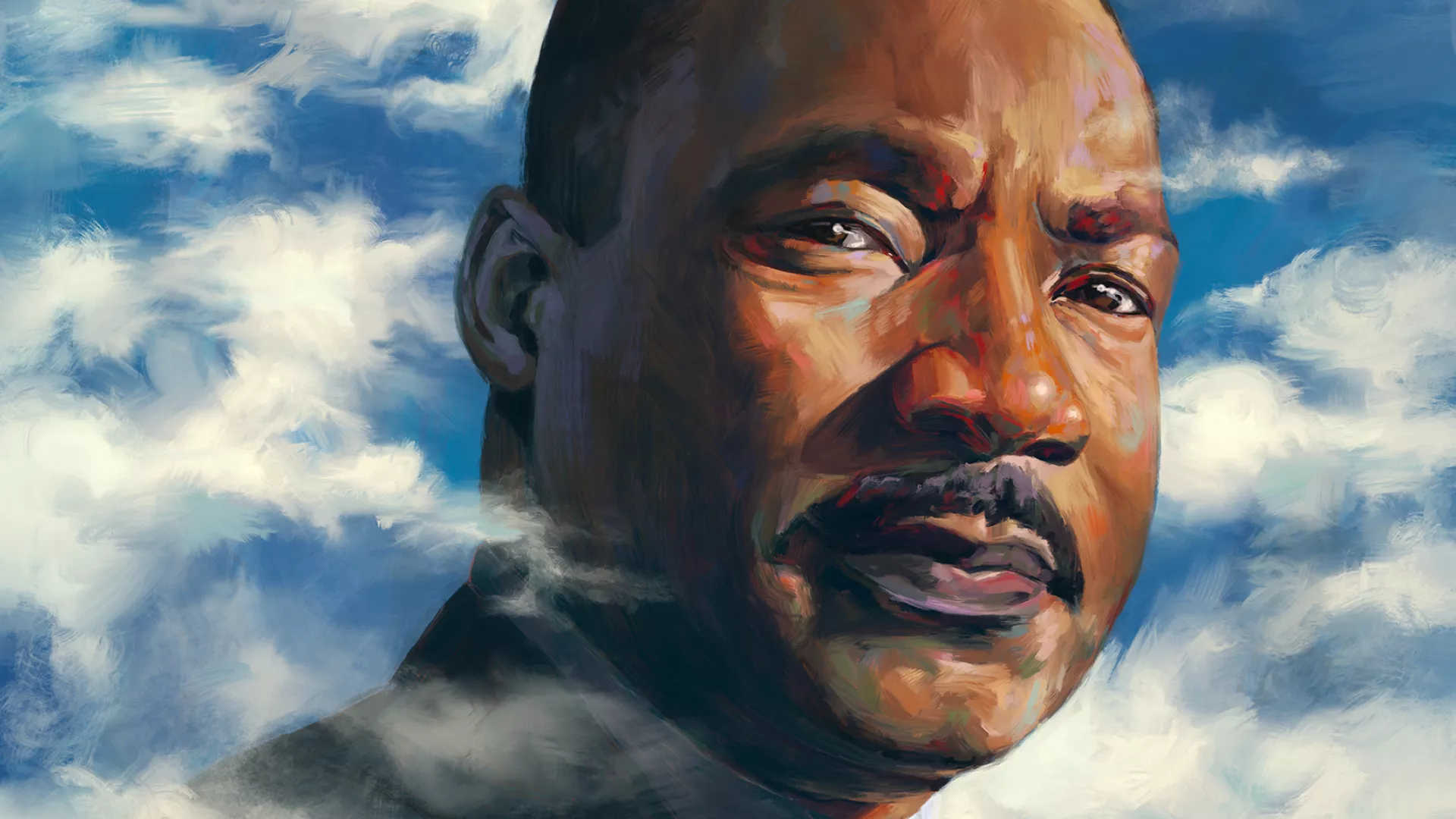
Reflections on the Rev. Dr. Martin Luther King Jr., His Dream and Legacy

The Hon. Ed Towns at Berean Baptist Church (1/18) and Greater Bright Light Missionary Baptist Church (1/19)

Former Congressman Ed Towns will deliver speeches honoring The Rev. Martin Luther King, Jr, at two churches in Brooklyn this month in celebration of the late Civil Rights leader’s 97th anniversary of his birth on January 15th.


Sunday, January 18, Towns is guest speaker at Berean Baptist Church (Dr. Arlee Arkofa, Sr. Pastor, and Trevor Hyde, Pastor. For details, call 718-774-0466.) Monday, January 19, the day of the official 2026 national holiday celebration, Towns will deliver a speech at The Greater Bright Light Missionary Baptist Church, pastored by the Rev. Grady Zellars, 1329 Sutter Avenue.

Service begins at 10:am, followed by a brunch at 11:30 am. The event is sponsored by the Metropolitan Interdenominational Ministers Conference, Inc. lead by The Rev. Dr. Walter P. Alston. Towns’ theme is: “Living the Dream” with a look at “unity, justice, hope.”

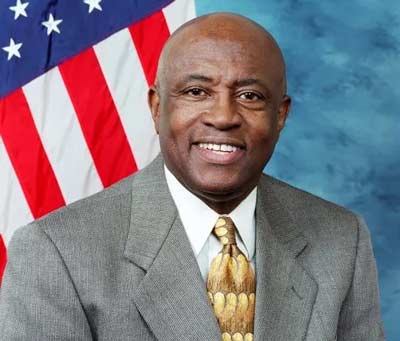
Hon. Ed Towns


Our Time Press’ talk Tuesday, with Mr. Towns about Rev. King’s influence on the congressman’s life and work appears next week. Town’s stories, thoughts and reflections include references to such stalwarts as Civil Rights icon John Lewis, Brooklyn’s Cornerstone Baptist Church’s Rev. Sandy Ray, and other ministers, leaders and places.


One notable “footnote” to King’s and Towns’ shared history centers around their brief encounter in 1955 at the then-newly constructed New Hope Baptist Church in Niagara Falls, N.Y., where Towns and his family lived at the time. Well, it was not so brief, according to Mr. Towns, in his well-known, witty, poke-fun style.


Towns, then 21, was selected to introduce the church’s guest speaker — The Rev. Martin Luther King Jr, 26, pastor of Atlanta’s Dexter Baptist Church, and fairly well known throughout America’s black church circuit. The young reverend was already at work developing support for his Civil Rights campaigns for 1956, including the Montgomery Bus Boycott.


A former educator and military man, Towns was raised as a child growing up in North Carolina farmland country, to be fully prepared for all occasions. He read everything he could find on King to include in his remarks. Towns shared with Our Time Press hat Rev. King’s first words as he took the podium were “devastating.”

We think they are, of note a marker, at least, a footnote to Black political history: according to Towns, Rev. King said that Towns’ words marked the first time ever the introduction was longer than the speaker’s remarks.


Though Towns did not meet King again, the architect of the Civil Rights Movement remains a constant influence. Towns reflects on King’s leadership, and his thoughts, if he were alive, on the world today, and how far his dreams have advanced in next week’s Our Time Press and through his speeches at Berean and Bright Light Baptist Churches.
(Bernice Elizabeth Green)

The Rev. Dr. William J. Barber at Brooklyn Academy of Music (1/19)

Bishop William J. Barber II is President and Senior Lecturer of Repairers of the Breach, Bishop with The Fellowship of Affirming Ministries, Executive Board Member of the Christian Church Disciples of Christ, and Professor in the Practice of Public Theology and Public Policy and Founding Director of the Center for Public Theology and Public Policy at Yale Divinity School. He is the Co-Chair of the Poor People’s Campaign: A National Call For Moral Revival, and a Kettering Foundation Senior Fellow.

Celebrate the life and legacy of Dr. Martin Luther King, Jr. at this quintessential Brooklyn tradition. Our inspiring annual celebration is back for the 40th year and features powerful remarks by Rev. Dr. William J. Barber II; a special solo performance from Grace by Ronald K. Brown/EVIDENCE, A Dance Company; a musical performance by The Fire Ensemble; and more. Link arms with friends, neighbors, artists, and civic leaders for a day of reflection, family-friendly activities, and celebration of all who carry Dr. King’s vision of justice and equality forward.


The tribute continues throughout the day with a free screening of Just Mercy at 1pm at BAM Rose Cinemas, a performance by the Brooklyn Music School’s intergenerational choir on the steps of the Peter Jay Sharp Building, and family-friendly activities presented by BAMkids in The Adam Space. See below to learn more.

Sing with The Fire Ensemble during our celebration of Dr. King!

The Fire Ensemble is an intergenerational choir that centers BIPOC and queer folx. They will host five community rehearsals at BAM prior to the program on January 19. Rehearsals will take place in The Adam Space on the following dates:

Tue, Jan 6, 6—8pm
Wed, Jan 7, 6—8pm
Tue, Jan 13, 6—8pm
Wed, Jan 14, 6—8pm
Sun, Jan 18, 4—8pm
In order to perform on January 19, singers must attend at least three rehearsals, one of which must be the rehearsal on January 18. Everyone is welcome at rehearsal, even if they can’t sing on the day of the tribute.


Note to Readers: Tickets are free for this event on a first-come, first-served basis beginning at 8am on January 19 in the BAM Howard Gilman Opera House lobby, 30 Lafayette Avenue. Please note that providing an RSVP does not guarantee entry. For more info: bam.org

American Empire Roars into 2026

0

By Kazembe Batts
IG: @kazbatts


“No boots on the ground or bombs in the air, U.S. out of everywhere!” shouted the twenty-something, female African demonstrator as I walked past Union Square Park in Manhattan. A catchy slogan that is fast becoming a reality as the world’s hegemon makes global demands from allies and alleged adversaries. With adversaries the military confiscates large oil tankers off the coast of Venezuela or alleged Al-Shabab militants in Somalia, the U.S. military is flexing its trillion-dollar arsenal.

The United States military has 750 bases in every region of the world. With allies Trump has declared his desire for Canada to be a 51st state, demands access to Greenland from Denmark for strategic reasons, threatened to seize the Panama Cana and to bomb Columbia and Mexico to take out drug gangs, now called terrorists.


The Trump administration is also using non-military soft power, like tariffs, trade deals and outright blackmail to influence elections, especially in the Western Hemisphere. Unlike any previous president he has overtly lodged himself into recent elections in the Americas by loudly supporting conservative Nasry Asfura who barely won in Honduras and conservative Jose Antonio who also won in Chile.

The arrogant interference is also on display when Trump pledges $40 billion to Argentina but only if Javier Milei is elected. Trump has also supported former Brazilian President Jair Bolsonaro, who was recently sentenced to 27 years in prison for having led a coup to stay in office after his 2022 loss to Luiz Inácio Lula da Silva. Trump is troubled that his friend has been punished for doing something very similar to what happened on a January 6th day in Washington DC. Trump wants Bolsonaro pardoned.


Similar to its earlier cutback of USAID, on Monday12/29 the Trump administration announced a $2 billion pledge for UN humanitarian aid as the administration continues to slash US foreign assistance The $2 billion (€1.7bn) is only a sliver of traditional US humanitarian funding for UN-backed programs, which has run as high as $17 billion (€14.4bn) annually in recent years, according to UN data. The money is a small fraction of what the US has contributed in the past but reflects what the administration believes is a generous amount that will maintain the United States’ status as the world’s largest humanitarian donor.


Cutting needed humanitarian aid while threatening military force remains the American norm. The Empire has some of its military bases located in Africa. Arguably Nigeria, South Africa and Kenya are three of Africa’s most powerful nations. Let’s review how the Trump administration is engaging these three powerful African nations.


South Africa – Trump in a deliberate move to embarrass South African President Cyril Ramaphosa played a misleading video at a press conference in the White House and accused the SA government of perpetrating white genocide. Under Trump the USA practically boycotted the recent G-20 Summit in Johannesburg and has said that South Africa is barred from the next summit in Miami in 2026.

Relations are currently strained and marked by deep disagreements over South Africa’s non-alignment with the West, its relations with China/Russia, its ICJ case against Israel, SA membership in BRICS and current Trump administration policy, impacting areas like trade AGOA, and diplomatic trust.


Nigeria – U.S. is Nigeria’s largest foreign investor. On Christmas Day Trump delivered a present. Security cooperation against extremism, has occurred in the past but recently has become strained due to Trump administration claims of Christian persecution leading to Nigeria being designated a “Country of Particular Concern”. Did the bombing compromise sovereignty? Nigerian officials have said they approved of the bombings. A U.S. military official tells “PBS News Hour” a ship off Nigeria’s coast fired more than a dozen Tomahawks at two ISIS training camps.

Local security analysts say the missiles hit in at least four locations, all in Nigeria’s northwest Sokoto state. Lakurawa, which asserts connections to ISIS Sahel, capitalizes on inadequate local governance within the region. The Nigerian government declared them a terrorist organization, but locals say they’re connected to bandits and criminals.

The attacks targeted the northwest Nigeria, hundreds of miles from Maiduguri in the northeast, a known stronghold for Islamic banditry. Interestingly, the location is far closer to the borders of the three Alliance of Sahel States of which AFRICOM head General Michael Langley discussed negatively while testifying before congress.


Kenya –The USA has a deepening strategic partnership focused on economic growth, counterterrorism, and democracy, highlighted by Kenya becoming a Major Non-NATO Ally in 2024 and hosting a U.S. State Visit. The two governments recently signed a five-year, $2.5 billion Health Cooperation Framework that says the United States plans to provide up to $1.6 billion over the next five years to support priority health programs in Kenya including HIV/AIDS, tuberculosis (TB), malaria, maternal and child health, polio eradication, disease surveillance, and infectious disease outbreak response and preparedness.

Kenyan troops at the urging of the USA have landed in nearby Haiti to help “pacify” the gangs who control Port-Au-Prince. More recently Kenyan nationals, without working papers, were deported from South Africa for illegally attempting to facilitate white South Africans emigration to the United States. Unlike South Africa and Nigeria, Kenya seems to be in sync with the foreign policy goals of the US.


Entering 2026 the Trump administration is killing people without trial in international waters. Indiscriminately bombing places without it even making major news, like in Somalia. Making false claims about stopping wars like between Congo and Rwanda. Threatening to go “guns a blazing” in Africa’s most populous country. Ignoring real genocide in Sudan. African people living in America are still in the best position to jumpstart an African renaissance globally.

True Pan-African unity is needed now. In honor of the centennial birth of Patrice Lumumba, Franz Fanon and Malcolm X let us strive to make sure that the United States government empowers while the military does not destroy people all over the world. No boots on the ground or bombs in the air, U.S. out of everywhere.