Home Blog Page 8

One Brooklyn Health Raising Awareness for Colorectal Cancer

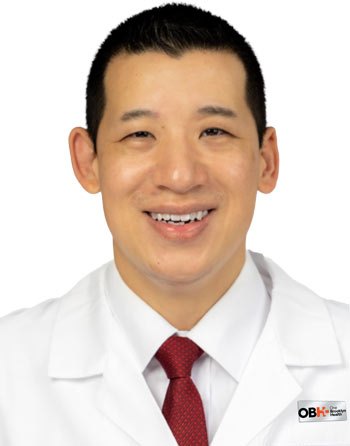
Op-Ed by: Dr. Derrick Cheung, Chief of the Division of Gastroenterology and Hepatology at OBH

Colon cancer stands as the 4th most diagnosed cancer and is the 2nd leading cause of cancer-related deaths in America in men and women. African Americans bear a disproportionate burden of colorectal cancer. These disparities, such as risk factors, socioeconomic status, and healthcare accessibility, underscore the need to make changes. During the month of March, we take the time to bring awareness.


Since 1990, there has been an increase in younger patients being diagnosed with colorectal cancer, prompting the reduction of the screening age from 50 to 45 years old. Today, 1 in 5 diagnoses of colorectal cancer occur in people under the age of 55 and the rates are rising about 1-2% each year.

Dr. Derrick Cheung


Colon cancer is one of the few cancers that can be preventable, and early detection is key! Colonoscopies can identify cancer early and remove precancerous growths or polyps, preventing the disease before it even starts. 


According to the Centers for Disease Control and Prevention (CDC), several factors can increase a person’s risk of developing colorectal cancer:
Age 45 and older
Personal or family history of colorectal cancer or colorectal polyps
Inherited genetic syndromes, such as Lynch syndrome or familial adenomatous polyposis (FAP)
Inflammatory bowel disease, including Crohn’s disease or ulcerative colitis
Lack of regular physical activity
Diet high in processed meats and low
in fruits and vegetables
Overweight or obesity
Alcohol use
Tobacco use


We recommend screenings for all Americans over the age of 45. Speak to a medical professional if you have symptoms such as blood in the stool, new onset of diarrhea or constipation, stomach pain, bloating or unexplained weight loss, weakness or fatigue. 


At One Brooklyn Health, our mission is to raise awareness within our community. We aim to spread information on risk factors and promote a healthy diet and lifestyle. The OBH team is committed to reducing the cancer burden within our community by breaking down the barriers to screening. One of the biggest misconceptions on colonoscopies is that it is painful.

We have a team of experts to help patients, and all our procedures are performed under the careful supervision of an anesthesiologist. We tailor each patient with a bowel preparation or stool test that works for them to make the entire process as easy as possible.


Once people are screened, it feels like a huge weight has been lifted off their shoulders and they become the best advocates to combat this terrible disease. Sharing your positive experience with colorectal screening by word of mouth is the best way to help ensure a brighter future for all.

The Division of Colon and Rectal Surgery at OBH is dedicated to providing state-of-the-art surgical care for patients with diseases of the small intestine, colon, rectum, and anal canal.

Utilizing the latest state of the art surgical techniques, our experienced specialists are committed to providing our patients with personalized treatment plans to ensure the best outcomes and recovery times.

Conditions that we treat aside from colon and rectal cancers, are inflammatory bowel disease, rectal conditions, including anal fissure, fistula, and more. If you are experiencing symptoms or are due for screening, don’t wait. Schedule an appointment, visit www.onebrooklynhealth.org.

Israel & East African Instability

0

By Kazembe Batts IG: @kazbatts
Israel has pushed the USA into war with Iran explained Secretary of State Rubio, “Why now? Well, there’s two reasons why now. The first is it was abundantly clear that if Iran came under attack by anyone, the United States or Israel or anyone, they were going to respond and respond against the United States.” Israel initiated a war to destroy their enemy and brought the world’s hegemon, the USA, as backup with overwhelming military force.

The USA is at war because Israel attacked Iran. The state of Israel has expanded its presence in the horn of Africa. Israel is the first nation in the world to recognize Somaliland. According to the Somali Guardian, Somaliland President Abdirahman Irro held a phone call with Israeli Prime Minister Netanyahu after the surprise Israeli bombing of the Islamic state. With Israeli officials visiting the self-declared independent territory of Somaliland and Ethiopia recently, what are Israeli plans for East Africa?


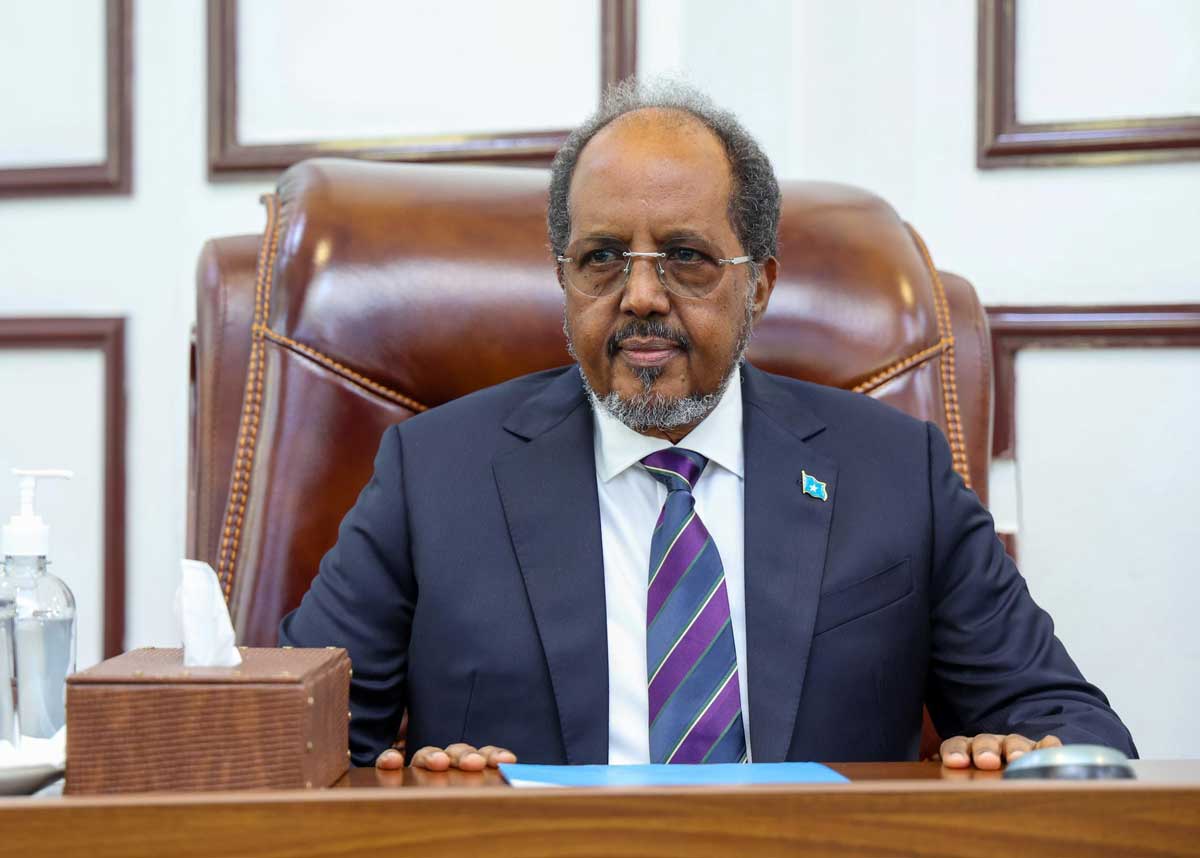
During an Al Jazeera interview Somali President Hassan Sheikh Mohamud commented “Israel sees an opportunity for its own interest. That interest is against the interest of many, not only one affecting Somalian sovereignty and territorial integrity but is a threat to the region, a threat to the Arabian Gulf, threat to the GCC, threat to the world global economy.”

When Israel announced its new relationship with Somaliland at the end of last year the African Union quickly responded. Chairperson of the African Union Commission, H.E. Mahmoud Ali Youssouf, released an official statement: The Chairperson of the Commission firmly rejects any initiative or action aimed at recognizing Somaliland as an independent entity, recalling that Somaliland remains an integral part of the Federal Republic of Somalia.

Any attempt to undermine the unity, sovereignty, and territorial integrity of Somalia runs counter to the fundamental principles of the African Union and risks setting a dangerous precedent with far-reaching implications for peace and stability across the continent.

Similarly, President Ismail Omar Guelleh of the bordering nation of Djibouti warned that “the establishment of an Israeli military base in the strategic port city of Berbera would pose a direct threat to stability across the horn of Africa.”


Israel is not the first nation to build a relationship with Somaliland. In January 2024, Ethiopia and Somaliland signed a Memorandum of Understanding (MoU), which was never published, but was reportedly intended to grant landlocked Ethiopia access to 20 kilometers of Somaliland’s coastline for 50 years and pave the way for formal recognition of Somaliland by Ethiopia. This attempt to reach the Red Sea has infuriated Somalia which has raised the prospects of war because they consider Somaliland a province.


Much of Africa is in turmoil. Borders are porous, nations cannot secure their territory, alliances are temporary. The USA, Russia, China, Turkey, United Arab Emirates, France and others need African resources and are maximizing their influence while staking claims to African land.

Secessionist movements in Tigray, Ethiopia and South Sudan, the Rapid Support Forces in Darfur vs the Sudanese government forces, Grand Ethiopian Dam are some ongoing flashpoints in East Africa. After the end of direct colonialism in the 1960’s, the Organization of African Unity (African Union predecessor) agreed to maintain colonial borders to avoid tension.

Now will Israel’s recognition of Somaliland encourage separatist and secessionist movements elsewhere on the continent – such as Biafra in Nigeria and Ambazonia in Cameroon – to advance their cause with the hope of being recognized internationally.


Texas Republican Senator Ted Cruz, in August 2025, wrote to Donald Trump asking him to formally recognize Somaliland as an independent state. Netanyahu has met with Trump at least seven times since returning to office. Coordination between the Trump administration and the Israeli state is undeniable.

Last year, the South African government successfully charged Israel at the International Court of Justice. Taking Israel’s side Trump subsequently downgraded the USA diplomatic relationship with South Africa.

Israeli and republican goals that are in opposition to the will of African institutions and states are problematic. Chess is being played about the future of Africa and humanity. A pro African development agenda, led by American Africans, is needed for the Horn of Africa and the entire continent.

Hopefully the Congressional Black Caucus will convene and emergency meeting. Unfortunately, we just missed the recent African Union Summit which was not attended by any major American African leadership. Neither did any official trump administration diplomats.

World Baseball Classic 2026: USA Out for Revenge After Japan’s Heartbreaking 3–2 Classic Thriller

0

The calendar for 2026 has finally flipped over to March, which not only means warmer weather heading towards Brooklyn (we hope), but baseball is upon us.

With the regular season set to kick off close to the end of the month, there are many exciting storylines heading into the regular season. What will make 2026 even more special is the event that will take place before the season. That being the World Baseball Classic.


For those who are not familiar with the WBC, it is an international baseball tournament that is organized by World Baseball Classic Inc. (WBCI), which is also a partnership between Major League Baseball and the Major League Baseball Players Association (MLBPA).

This prestigious tournament, takes place every four years similar to the FIFA World Cup in soccer and the Olympics. This tournament not only features Major League Superstars but also some of the best baseball players from all over the world having the opportunity to represent their country.

There are so many good teams and potential matchups that could happen during the two-week event. Team USA will look to avenge their heartbreaking 3-2 loss to Japan in the last WBC final. Japan has won the classic three times since the tournament debuted back in 2006.

The tournament will take place across three different venues in parts of the United States (Miami Florida and Houston, Texas), the Tokyo dome in Japan, and Hiram Bithorn Stadium in San Juan, Puerto Rico. Team USA will feature star players like Aaron Judge, Bobby Witt Jr., Cal Raleigh, Paul Skenes and Tarik Skubal to name a few.


Team USA not only features the top baseball players playing side by side one another, but also the unique opportunity to see teammates compete against each other as they represent their respective countries. There are so many good teams that will be a part of this tournament. Puerto Rico and the Dominican Republic are just stacked with Major League talent and could potentially be right there amongst the final four teams when it’s all set and done. This year, there will be 20 countries across four pools competing in this year’s WBC.


For those who loved the Fifa World Cup and the Olympics whether it be the summer or winter version, baseball’s international tournament is a must see. The United States certainly has some of the best players currently playing in the Major Leagues, however, the international teams will very much have their say in that conversation.

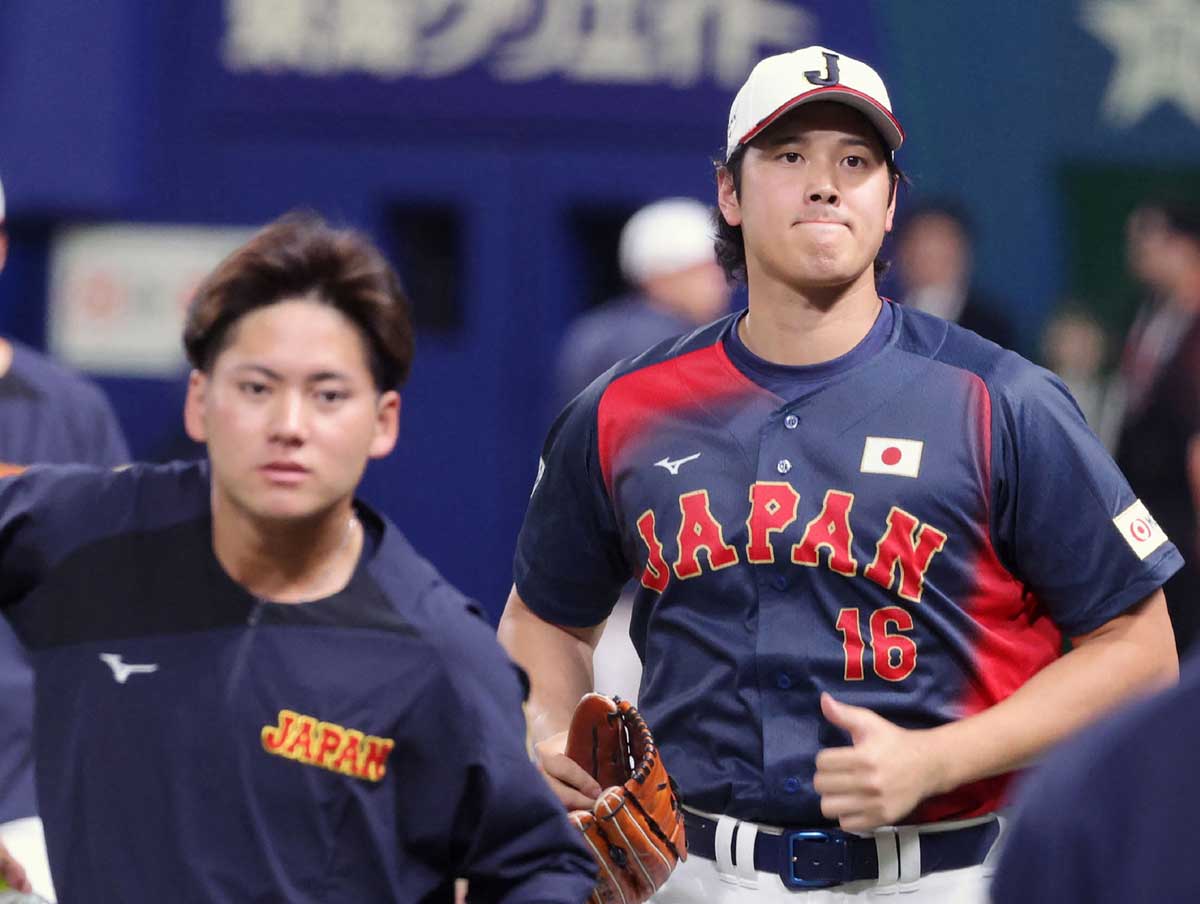
Teams like Japan led by Los Angeles Dodgers Superstar Shohei Ohtani and teammate Yoshinobu Yamamoto. Dominican Republic led by Vladimir Guerrero Jr, Ketel Marte, Manny Machado, Junior Caminero, and many more. As we go to press, the World Baseball Classic kicks off Wednesday night (March 4th) when Chinese Taipei battles Australia at 10pm from the Tokyo dome. Check your local listing for the entire schedule of the classic.


Sports Notes: (World Baseball Classic) Three-time AL MVP Aaron Judge will throw on the red, white, and blue uniform for the first time in his career and he leads the United States to battle Brazil in their first match up of the classic live Friday night in Houston. (Basketball) The New York Knicks begin the first game of their four-game West Coast schedule when they head to Denver to battle Nikola Jokic and the Denver Nuggets tomorrow night.

When Brooklyn Answered the Call: Remembering Rev. Jesse Jackson

by Binta Vann


“He could motivate and generate movement among people with his preaching and teachings,” my father said when asked about Reverend Jesse Jackson.
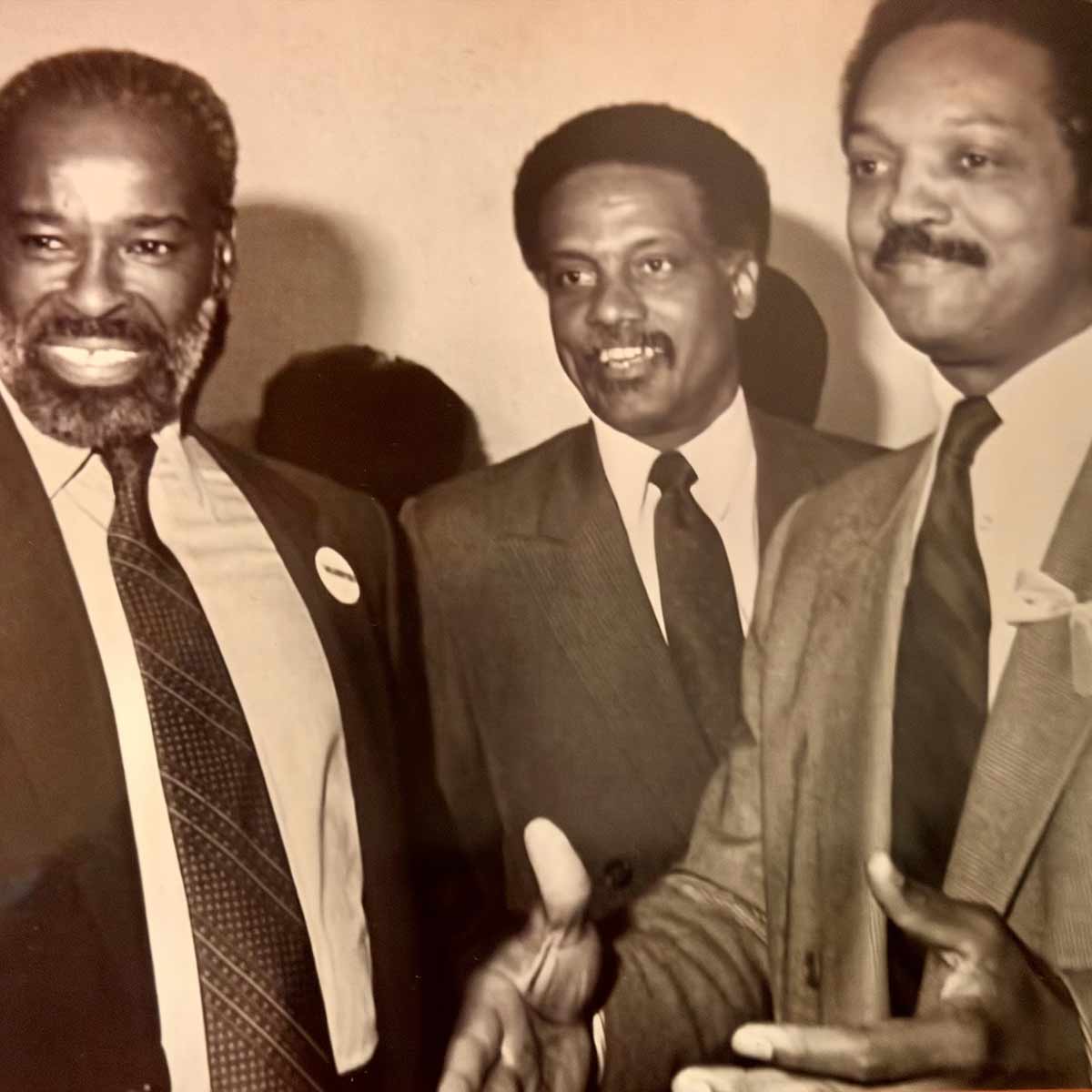
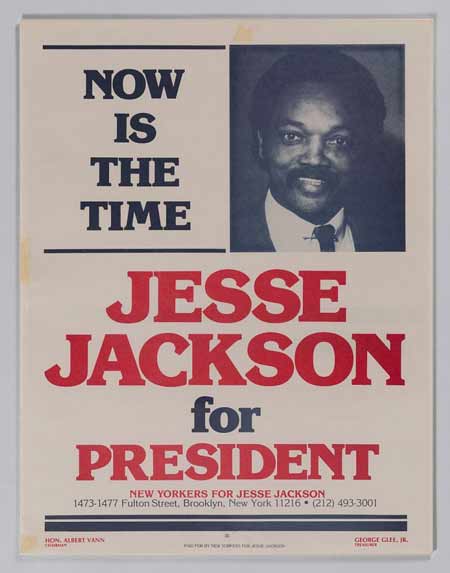
He was describing his experience in 1984 when Rev Jesse Jackson asked him to serve as campaign manager for New York State during his presidential run. My father, the late Dr. Albert Vann, a Brooklyn educator, State Assemblyman, and Chairman of the Coalition for a Just New York, had spent a decade building and unifying Black political power throughout Brooklyn and paving the way for stronger representation of Black elected officials in New York City and State. But running a presidential campaign for the first Black man to run as president in America in 1984? That was something else entirely.


Their relationship had begun 12 years earlier in Gary, Indiana, at the National Black Political Convention. This was the largest gathering of Black political leaders, educators, and activists in American history. Rev Jesse Jackson delivered a keynote address that electrified the room, urged the crowd not to wait for permission to grow Black political power.

My father, who was there to advocate for equity in education, walked away from that convention with the understanding that if you want to change the system, you had to disrupt the distribution of power and build coalitions to back you up. Two years later he won his seat in the New York State Assembly and spent the next decade doing just that.


By 1983 my father had become chair of the Coalition for a Just New York, a citywide alliance of Black elected officials, clergy and activists fighting for Black schools and equity in city government. When Rev Jackson came looking for someone to organize the most complicated state in the nation, he found the man who had already proven he could do it.


Rev Jackson and Dr. Vann were shaped by the same conviction: that Black freedom could not be borrowed. It had to be built voter by voter, and institution by institution. Rev Jackson had built the Rainbow Coalition and Operation PUSH. My father had built the African American Teachers Association, was a founder of Medgar Evers College, and had created the Vanguard Independent Democratic Association. Both men knew the difference between talking about change and building the structures to make it happen.


When I learned that Rev Jackson had transitioned on Tuesday morning at the age of 84, I listened again to the recordings I made of my father and felt the weight of what both men understood they were attempting: to prove that a Black man could mount a credible run for the presidency of the United States. Not as a protest, but as a possibility.


In launching the New York State campaign, my father called on the Brooklyn delegation he’d spent a decade building including Major Owens, Clarence Norman, Frank Boyland, Roger Green, Annette Robinson, Velmanette Montgomery, Rev. Herbert Daughtry, Jitu Weusi, Sam Pinn and many others. This wasn’t just a coalition, it was the organizing power that drove voter registration, delivered delegates, and turned Brooklyn into Rev Jackson’s largest base of support in the nation.


That movement produced results no one could ignore. As my father told me with unmistakable pride, “we made a very successful campaign, the largest delegation in the convention.” The borough of Brooklyn drove that delegate count in 1984. Not Chicago. Not Atlanta. Brooklyn.
Jesse Jackson’s campaign changed politics on the national level. It drove extensive voter registration which increased black turnout on election day and changed the Democratic electorate.

It made race and the concerns of the Rainbow Coalition’s marginalized communities including Latinos, Asian Americans, LGBTQ people and the poor, a central agenda item for the Democratic party. And it transformed the Democratic party’s delegation rules by making them proportional rather than winner-takes-all. That change helped make Barack Obama’s 2008 victory possible.


The arc from Gary to Brooklyn to the DNC convention floor took decades. It began in a high school gym in Indiana in 1972, where a young educator and a rising civil rights leader both heard the call of “Nation Time” and understood what it demanded. By 1984, they had built the infrastructure to answer it.

Their work pioneered the way for Brooklyn leaders like Attorney General Letitia James and Congressman Hakeem Jeffries, who came up through institutions and relationships forged during Jackson’s campaign.
That was my father. That was his relationship with Jesse Jackson. And that is the legacy both men leave behind.
We stand on both their shoulders.

“Being close to him was instructive, impressive and one of the many cherished moments I’ve had in my career.” –Dr. Albert Vann

Binta Vann is the daughter of the late Dr. Albert Vann. She serves as Chief Marketing Officer at NPower, a national tech training nonprofit, and sits on the board of Bedford Stuyvesant Restoration Corporation, where her father was a founding board member.

Weather Highlights the Need for Emergency Preparedness

0

By Nayaba Arinde
Editor-a-Large

“Isolation magnifies mortality. Community reduces it. In a storm, we have to make sure that we check on our elders and the most vulnerable in our community,” Aton Edwards, Disaster Manager, told Our Time Press. The creator of Life Protection Directives for the Black community said, “Make sure that you call them, go to their door, ask them before the storm comes what they may need, and go and get it for them, so they don’t try and do it. Check on disabled neighbors, too. We must do the things that are necessary to be prepared for any weather condition.”


Mayor Zohran Mamdani said on Tuesday, “Yesterday, the snowstorm of the decade arrived, with winds of up to 60 miles per hour, and more than two feet of snow falling across parts of our city.”
Now, the Blizzard of 2026 is in the books. Hammering the tri-state area as the storm crept up the coast. It came with Mamdani’s NYC travel ban, students and their parents enjoyed the one snow day. Many decried that it was not extended for two days, with safety concerns over traversing the city in the immediate post-snowfall conditions.


With students just coming back from midwinter break, the Mayor said, “It was not possible to ensure every student had the devices they needed to effectively participate in remote learning,” and public schools are critical to the health and wellness of nearly 900,000 children across our city. Whether it’s a warm meal, essential mental health support, or a source of childcare for working parents—in-person schooling is a resource that our city’s children and families depend upon.”
The pristine white snow from January 15th quickly became dirty, grey, trash-strewn, and obstructive, making sidewalks ice-blocked, bus tops cluttered, and streets difficult to maneuver.


No sooner did the month-long citywide eyesore finally melt with eventual above-freezing temperatures last week than the blizzard slammed the five boroughs and the tri-state with almost 20 inches on February 22nd and 23rd, 2026. While it was beautiful to look at when it first dropped, it was brutal to work, walk, or shovel in, especially with the relentless blizzard wind.


Aton Edwards, a one-time Brooklyn Cobble Hill resident, told Our Time Press, “Winter storm preparedness is essential.”
Seasoned in the work of people preparedness, and well-known on Black radio shows like Imhotep Gary Byrd on WBLS, WLIB, and on WBAI and CNN, Edwards declared, “Winter storms are not seasonal inconveniences. They are infrastructure stress tests. Power fails. Heat fails. Roads vanish. Response times stretch.

What kills people is not snow — it is exposure, carbon monoxide, dehydration, overexertion, and bad decisions made in the first six hours. I have created Afrocentric ‘prepping,’ not the limited individualistic dynamic of the European model. I work from an African perspective so that we as Black people have something of our own,” said Edwards. “That is why, in storms and blizzards, and extreme heat, working with my Life Protection Directive, we say protect your elders. We ask them what they need, and then we go and get it for them. We must look out for the Black seniors.”


This harsh January-into-February has been a Gotham winter story.
While there is scheduled to be a mild snow-melting 40% weekend, the Weather Channel forecasts that in New York City from Monday, March 2nd to Wednesday, March 4th, there is the possibility of rain, snow, and showers, with daytime 30-plus and nighttime 20-plus temperatures.
When you hear about an incoming storm, Edwards said seniors and even younger folk must “fill your prescriptions for your insulin, asthma, pain medication, etc. People usually don’t have a backup plan to power their CPAP or oxygen tank. There are these portable solar-powered mini generators and portable chargers, which they can just put in the window to charge, and they have those tiny refrigerators too to store the medication.”


Though it is melting, tons of snow still cover the city streets. “Sometimes people think they are in shape, but they go out shovelling snow and end up with cardiac strain, asthma attacks, or blood pressure spikes. People must maintain protocols with their medical needs.”
Edwards advised that in bad weather, “You should stay put. Do not attempt to beat the storm, and run one last errand. A lot of people die from heart attacks, exerting too much energy shovelling too much snow.”
New Yorkers have to clear sidewalks, and even bus stops outside their homes, though.
After Mayor Mamdani increased citizen shoveler pay from $19 to $30 an hour after 40 hours, over 1,400 folks eagerly signed up to clear the snow-battered streets this week.


Heat, or the lack thereof.
“Heat loss begins the moment power fails,” Edwards explained. “You must preserve heat because you get a mild case of hyperthermia in those New York apartments. When the temperature is low, your core heat, which is 98%, degrades faster. You want to keep the room temperature in the high 60s or low 70s. Once you start to dip to 64% or into the 50s, your body starts to fight to maintain the heat.” The self-described Physics and STEAM Guy continued, “Stay in one room, hang blankets over doorways, use heavy curtains if you have them, and cover windows with plastic, sealing drafts with towels.” Conserve the heat, have a room where you all spend time in, human bodies generate heat.”


Edwards added that there are little indoor-rated propane heaters, “but you can only use those things if you have good ventilation in your apartment. Never, ever, ever use charcoal grills, or the oven to warm an apartment or generators.”
He added that people must monitor carbon monoxide output in their apartments. “You can’t see or smell it. Make sure your carbon monoxide detector is on, and levels are low or nonexistent. Even with the space heaters, you need ventilation. Carbon monoxide is a silent killer and a real problem during winter storms. Make sure your carbon monoxide detector has working batteries. If you have a headache or are feeling wobbly, you might want to get outside quickly because you could have a carbon monoxide situation.”


Creative and resourceful water securing
“If you get a freeze warning, and if your pipes freeze over you won’t have any way to get water. If you clean out your bathtub and fill it, you will have an emergency supply on hand. Fill every single container in your apartment so you can have water to drink.”
Meanwhile, Edwards advised everyone to keep all phones and battery packs charged at all times, well before the storm hits, just in case there is a power shortage.
The disaster prevention specialist hinted at needing emergency preparedness for the upcoming 2026 hot months, too: “Summer is going to be an extreme time. Let’s plan and prepare now, because of the climate crisis that is on an upward curve, same as last summer, even hotter.”
Anton Edwards can be reached through afroprepnow.com