
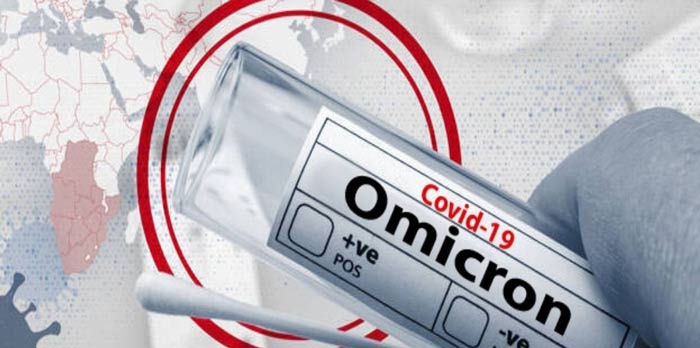

Omicron Variant
The Omicron variant has been detected in the United States. CDC and its public health partners are closely monitoring the emergence of this variant of concern.
Information about Variants: Viruses constantly change through mutation and sometimes these mutations result in a new variant of the virus. Some variants emerge and disappear while others persist. New variants will continue to emerge. CDC and other public health organizations monitor all variants of the virus that causes COVID-19 in the United States and globally.
The Delta variant causes more infections and spreads faster than the original SARS-CoV-2 strain of the virus that cause COVID-19. Vaccines remain the best way to reduce your risk of severe illness, hospitalization, and death from COVID-19.
Top Things You Need to Know
New variants of the virus are expected to occur. Taking steps to reduce the spread of infection, including getting a COVID-19 vaccine, are the best way to slow the emergence of new variants.
Vaccines reduce your risk of severe illness, hospitalization, and death from COVID-19.
COVID-19 booster doses are recommended for adults ages 18 and older. Teens 16–17 years old who received Pfizer-BioNTech COVID-19 vaccines can get a booster dose if they are at least 6 months post their initial Pfizer-BioNTech vaccination series.
Vaccines
While vaccines reduce your risk of severe illness, hospitalization, and death from COVID-19, we don’t yet know how effective they will be against new variants that may arise, including Omicron.
Symptoms
All previous variants cause similar COVID-19 symptoms.
Some variants, such as the Alpha and Delta variants, may cause more severe illness and death.
Masks
Wearing a mask is an effective way to reduce the spread of earlier forms of the virus, the Delta variant and other known variants.
People who are not fully vaccinated should take steps to protect themselves, including wearing a mask indoors in public at all levels of community transmission.
People who are fully vaccinated should wear a mask indoors in areas of substantial or high transmission.
Wearing a mask is very important if you or someone in your household:
-Has a weakened immune system
-Has an underlying medical condition
-Is an older adult
-Is not fully vaccinated
Testing
Tests for SARS-CoV-2 tell you if you have an infection at the time of the test. This type of test is called a “viral” test because it looks for viral infection. Antigen or Nucleic Acid Amplification Tests (NAATs) are viral tests.
Additional tests would be needed to determine which variant caused your infection, but these typically are not authorized for patient use.
As new variants emerge, scientists will continue to evaluate how well tests detect current infection.
Self-tests may be used if you have COVID-19 symptoms or have been exposed or potentially exposed to an individual with COVID-19.
Even if you don’t have symptoms and have not been exposed to an individual with COVID-19, using a self-test before gathering indoors with others can give you information about the risk of spreading the virus that causes COVID-19.
Types of Variants
Scientists monitor all variants but may classify certain ones as variants being monitored, variants of interest, variants of concern and variants of high consequence. Some variants spread more easily and quickly than other variants, which may lead to more cases of COVID-19. An increase in the number of cases will put more strain on healthcare resources, lead to more hospitalizations, and potentially more deaths.
These classifications are based on how easily the variant spreads, how severe the symptoms are, how the variant responds to treatments, and how well vaccines protect against the variant.
Variants of Concern
Omicron – B.1.1.529
First identified: South Africa
Spread: May spread more easily than other variants, including Delta.
Severe illness and death: Due to the small number of cases, the current severity of illness and death associated with this variant is unclear.
Vaccine: Breakthrough infections in people who are fully vaccinated are expected, but vaccines are effective at preventing severe illness, hospitalizations, and death. Early evidence suggests that fully vaccinated people who become infected with the Omicron variant can spread the virus to others. All FDA-approved or authorized vaccines are expected to be effective against severe illness, hospitalizations, and deaths. The recent emergence of the Omicron variant further emphasizes the importance of vaccination and boosters.
Treatments: Some monoclonal antibody treatments may not be as effective against infection with Omicron.
Delta – B.1.617.2
First identified: India
Spread: Spreads more easily than other variants.
Severe illness and death: May cause more severe cases than the other variants
Vaccine: Breakthrough infections in people who are fully vaccinated are expected, but vaccines are effective at preventing severe illness, hospitalizations, and death. Early evidence suggests that fully vaccinated people who become infected with the Delta variant can spread the virus to others. All FDA-approved or authorized vaccines are effective against severe illness, hospitalization, and death.
Treatments: Nearly all variants circulating in the United States respond to treatment with FDA-authorized monoclonal antibody treatments.