

By Kazembe Batts IG: @kazbatts
We must pay attention to the widening diplomatic fault line between South Africa and Kenya. Two nations with continental influence, different instincts about power, and competing visions of how African development and sovereignty should take place in 21st century.
South Africa:The Movement Continues
South Africa is not allowing itself to be lectured by the same Western powers that once armed and financed apartheid. South Africa has embraced policies that makes Western diplomats deeply uncomfortable. Whether it’s refusing to participate in arbitrary Western sanctions against alleged rogue states or taking Israel to the International Court of Justice regarding the treatment of Palestinians, Pretoria is signaling that it will contribute its own voice as the world continues to evolve.
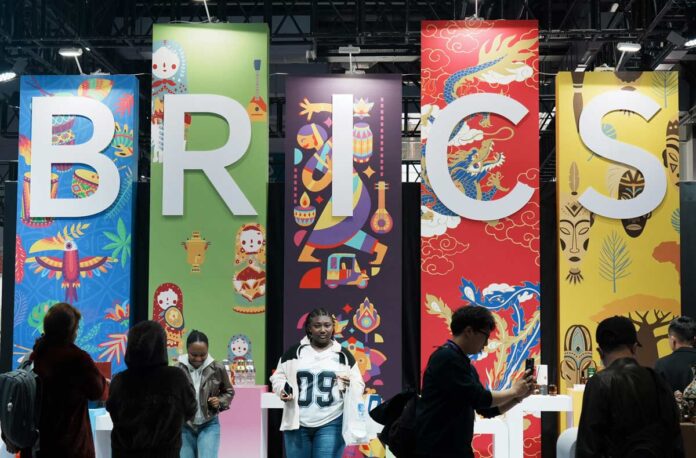
Pretoria’s deepening ties with BRICS, its military exercises with Russia and China, and its insistence on a multipolar world are not accidents. South Africa sees itself as a moral voice of the Global South, confronting Western hegemony and pushing for a rebalanced world order. The West is not used to African nations calling out its contradictions on the global stage. South Africa does it with the confidence of a country that remembers who stood with it during apartheid and who didn’t.
Kenya: The West’s New Favorite Partner
Kenya is taking a different path that is far more comfortable for America and Europe (the West). Nairobi has positioned itself as the United States’ most reliable partner in East Africa. Counterterrorism cooperation, regional peacekeeping, and diplomatic alignment have made Kenya indispensable to Washington’s strategy in the Horn of Africa. Recently the U.S. designated Kenya as its first sub-Saharan, major non-NATO ally. Kenya has mastered the art of pragmatic diplomacy.
It works with China, yes, but it also courts Western investment, Western security partnerships, and Western political legitimacy. It speaks the liberal economic language of stability, modernization, and “shared values,” a vocabulary that reassures the West. Therefore, Kenya has been awarded with invitations, investments, and a seat at tables where African voices are usually tokenized. Kenya sees itself as a bridge — a connector between Africa and the West, a stabilizing force in a volatile region, and a beneficiary of strategic partnerships.
Which Way Forward How to Maneuver
In real time we are witnessing a continental split in diplomatic philosophy. South Africa believes Africa’s liberation is incomplete until the global system itself is rebalanced. Kenya believes Africa’s advancement depends on strategic partnerships within the existing system. Pretoria and Nairobi are not enemies, but they are not in sync. Their differences are reshaping their bilateral relationship in ways that matter for the entire continent. There was a time when South Africa and Kenya coordinated positions on African Union reforms, peacekeeping, and continental diplomacy. Could that time be passing or has already ended? This is not open rivalry, but it is a strategic divergence with real consequences. Now on global issues, they speak different languages complicating Africa’s ability to present a unified voice on the international stage. An African weakness that Western powers have always exploited.
African Continental Influence
Apparently to some, South Africa and Kenya are now competing for the role of Africa’s diplomatic anchor with South Africa leading the BRICS (Brazil, Russia, China, South Africa) aligned, Global South oriented bloc and Kenya leading the Western aligned, security focused bloc. The West now chooses their African partners based on which of the two different “African leadership models” they want to engage with. If South Africa continues to challenge Western dominance while Kenya deepens its Western partnerships, the gap may widen into a full diplomatic split. Unforeseen crisis issues or a reemergence of a Pan-African politics and mindset could bring these two strategic partners into a mutually beneficial relationship for them and benefit the entire African world.
Africa, like the rest of the world, is diverse. This diversity manifests itself in many different national development strategies. That diversity is a strength if African nations learn to navigate it without allowing external powers to exploit it. How should Africa engage former colonial and current hegemonic powers? South Africa answers with resistance. Kenya answers with partnership. Both answers are strategic and reflect the unfinished struggle for African agency and sovereignty. If the West is paying attention, it should understand this: Africa is not choosing sides. Africa is choosing itself.
To Attend or not at G-20, G-7 Summits
Divide and conquer tactics are happening. Vincent Magwenya, a spokesperson for Ramaphosa, told POLITICO that Paris, which holds the G7’s rotating presidency this year, rescinded an invitation after Washington threatened to boycott this year’s meeting in Evian-les-Bains if South Africa were invited. Although the French Foreign Minister Jean-Noël Barrot said France had faced “no pressure” to exclude South Africa explaining “After discussion among G7 members, it was collectively determined that Kenya should be invited to the Summit,” said the official, who was granted anonymity to speak candidly.
Respecting itself, South African spokesperson Magwenya replied “We’ve accepted the French decision and appreciate the pressure they’ve been subjected to. South Africa will always endeavor to resolve disputes through constructive dialogue.” While South Africa is not a member of the G7, its president has often been invited to past Global 7 summits. Trump has already barred South Africa from the upcoming G-20 Summit this year in Miami. This is after forcing the USA to not participate in last year’s G-20 Summit held in South Africa. South Africa or Kenya, will the West prioritize and play favorites? Can Black nations and people stand together? Now is the time and we shall see.