Home Blog Page 527

Community Calendar

Friday, February 28th
GLORY! Black History, An Inspiration CPCS Lower School Auditorium 241 Emerson Place 1:30pm FREE. Lift your spirits and encourage some little ones by attending this showing of artwork by kindergarteners and first-graders. This sampling of work in honor of Black History Month is by Community Partnership Charter School student (from left to right): Liam (K); Amira (K); Jeremiah (1st grade) and A’layah (first grade).

Sunday, March 1st
Creating A Bully-Free Culture Brooklyn Society for Ethical Culture 53 Prospect Park West 11am-12:30pm FREE. Bullying can have severe and lasting, emotional, mental, and academic consequences. In extreme cases, it’s a factor in school shootings and youth suicides and sadly, statistics show it’s on the rise. Parents, guardians, caretakers, grandparents, educators, and anyone else who interacts with young people are invited to join in a discussion on what we can all do to help eradicate it. Facilitated by Melissa Schulz, a leadership and development trainer and harassment/bullying prevention expert.

Monday, March 2nd
Speak to a Lawyer about Your Child’s Education BDS Community Office 566 Livonia Ave 9:30am-1pm FREE.
Every first and third Mondays parents are invited to Brooklyn Defender Services to consult with an education attorney onsite about: special education; suspensions; changing schools and school bus problems. Parents are eligible to receive free legal advice in their child attends any public school in the five boroughs. If their child attends a private or Catholic school, that school must be based in Brooklyn. For further information contact the office at 646-971-2722.

Wednesday, March 4th
Summer Internships for College Students at the NYC Comptroller’s Offices
The Comptroller’s office is seeking college students to participate in hands-on departmental projects. The term is from June 8th – August 6th and interns work 28 hours a week, Mon-Thurs, making $15.50-$16.50 hourly if they are undergraduate students and $19-$22.50 if they are graduate or law students. Applications accepted until March 6th. Applicants must be enrolled in an accredited undergraduate or graduate degree program for the Fall 2020 semester. Successful candidates will have excellent communication and research skill and relevant education and experience. To apply, visit https://comptroller.nyc.gov/jobs/summer-internship-program.

Marc Baptiste, RARA! 80 Hanson Place

Thursday, March 5th
Marc Baptiste, RARA! 80 Hanson Place 12-7pm Wed-Sunday, Admission varies.
Haitian-American photographer Marc Baptiste is known for his mastery of lighting, beauty, cinematic style, and the great energy he has documented. He’s photographed everyone from Michelle and Barak Obama, and Carmen de Lavallade to Prince and Janelle Monae and his work has been published in art magazines and ad campaigns across the globe. This exhibition focuses on his love for his birthplace, which influences all of his work. Closing Sunday 3/8. For information contact MoCADA at 718-230-0492.

MARK YOUR CALENDARS

Every Fourth Tuesday
Womxn of Color Book Club Café Con Libros 724 Prospect Place 6-7:30pm FREE. A space curated by and reserved for women of color to simply be and build. The February book was Toni Morrison’s The Source of Self-Regard. Visit the website to learn about the March 2020 selection at www.cafeconlibrosbk.com.

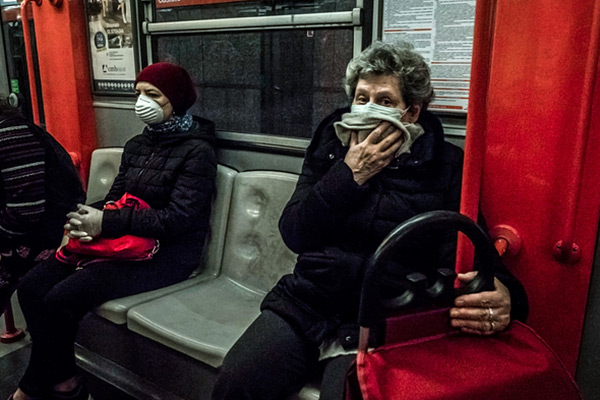
Center for Disease Control Coronavirus Disease Situation Summary

This is an emerging, rapidly evolving situation and CDC will provide updated information as it becomes available, in addition to updated guidance.

Background
CDC is responding to an outbreak of respiratory disease caused by a novel (new) coronavirus that was first detected in Wuhan City, Hubei Province, China and which has now been detected in 37 locations internationally, including cases in the United States. The virus has been named “SARS-CoV-2” and the disease it causes has been named “coronavirus disease 2019” (abbreviated “COVID-19”).
On January 30, 2020, the International Health Regulations Emergency Committee of the World Health Organization declared the outbreak a “public health emergency of international concernexternal icon” (PHEIC). On January 31, 2020, Health and Human Services Secretary Alex M. Azar II declared a public health emergency (PHE) for the United States to aid the nation’s healthcare community in responding to COVID-19.

Source and Spread of the Virus
Coronaviruses are a large family of viruses that are common in many different species of animals, including camels, cattle, cats, and bats. Rarely, animal coronaviruses can infect people and then spread between people such as with MERS-CoV, SARS-CoV, and now with this new virus (named SARS-CoV-2).
The SARS-CoV-2 virus is a betacoronavirus, like MERS-CoV and SARS-CoV.  All three of these viruses have their origins in bats. The sequences from U.S. patients are similar to the one that China initially posted, suggesting a likely single, recent emergence of this virus from an animal reservoir.
Early on, many of the patients in the COVID-19 outbreak in Wuhan, China had some link to a large seafood and live animal market, suggesting animal-to-person spread. Later, a growing number of patients reportedly did not have exposure to animal markets, indicating person-to-person spread. Person-to-person spread has been reported outside China, including in the United States and other locations. Chinese officials report that sustained person-to-person spread in the community is occurring in China. In addition, other destinations have apparent community spread, meaning some people have been infected who are not sure how or where they became infected. Learn what is known about the spread of newly emerged coronaviruses.

Situation in U.S.
Imported cases of COVID-19 in travelers have been detected in the U.S. Person-to-person spread of COVID-19 also has been seen among close contacts of returned travelers from Wuhan, but at this time, this virus is NOT currently spreading in the community in the United States.

Illness Severity
Both MERS-CoV and SARS-CoV have been known to cause severe illness in people. The complete clinical picture with regard to COVID-19 is not fully understood. Reported illnesses have ranged from mild to severe, including illness resulting in death. Learn more about the symptoms associated with COVID-19.
There are ongoing investigations to learn more. This is a rapidly evolving situation and information will be updated as it becomes available.


Risk Assessment
Outbreaks of novel virus infections among people are always of public health concern. The risk from these outbreaks depends on characteristics of the virus, including how well it spreads between people, the severity of resulting illness, and the medical or other measures available to control the impact of the virus (for example, vaccine or treatment medications). The fact that this disease has caused illness, including illness resulting in death, and sustained person-to-person spread is concerning. These factors meet two of the criteria of a pandemic. As community spread is detected in more and more countries, the world moves closer toward meeting the third criteria, worldwide spread of the new virus.
The potential public health threat posed by COVID-19 is high, both globally and to the United States.
But individual risk is dependent on exposure.
For the general American public, who are unlikely to be exposed to this virus at this time, the immediate health risk from COVID-19 is considered low.
Under current circumstances, certain people will have an increased risk of infection, for example healthcare workers caring for patients with COVID-19 and other close contacts of persons with COVID-19. CDC has developed guidance to help in the risk assessment and management of people with potential exposures to COVID-19.
However, it’s important to note that current global circumstances suggest it is likely that this virus will cause a pandemic. In that case, the risk assessment would be different.

What May Happen
More cases are likely to be identified in the coming days, including more cases in the United States. It’s also likely that person-to-person spread will continue to occur, including in the United States. Widespread transmission of COVID-19 in the United States would translate into large numbers of people needing medical care at the same time. Schools, childcare centers, workplaces, and other places for mass gatherings may experience more absenteeism. Public health and healthcare systems may become overloaded, with elevated rates of hospitalizations and deaths. Other critical infrastructure, such as law enforcement, emergency medical services, and transportation industry may also be affected. Health care providers and hospitals may be overwhelmed. At this time, there is no vaccine to protect against COVID-19 and no medications approved to treat it. Nonpharmaceutical interventions would be the most important response strategy.

CDC Response
Global efforts at this time are focused concurrently on containing spread of this virus and mitigating the impact of this virus. The federal government is working closely with state, local, tribal, and territorial partners, as well as public health partners, to respond to this public health threat. The public health response is multi-layered, with the goal of detecting and minimizing introductions of this virus in the United States so as to reduce the spread and the impact of this virus. CDC is operationalizing all of its pandemic preparedness and response plans, working on multiple fronts to meet these goals, including specific measures to prepare communities to respond local transmission of the virus that causes COVID-19. There is an abundance of pandemic guidance developed in anticipation of an influenza pandemic that is being repurposed and adapted for a COVID-19 pandemic.

Highlights of CDC’s Response
CDC established a COVID-19 Incident Management System on January 7, 2020. On January 21, CDC activated its Emergency Operations Center to better provide ongoing support to the COVID-19 response.
The U.S. government has taken unprecedented steps with respect to travel in response to the growing public health threat posed by this new coronavirus:
Effective February 2, at 5pm, the U.S. government suspended entry of foreign nationals who have been in China within the past 14 days.
U.S. citizens, residents, and their immediate family members who have been in Hubei province and other parts of mainland China are allowed to enter the United States, but they are subject to health monitoring and possible quarantine for up to 14 days.
Judge Staton Speaks: Part 2

David Greaves, Our Time Press:
In the areas of housing and the legal system: in the last legislative session there were a number of reforms. People call them very progressive reforms. What would you say still has to be done in the areas of both criminal justice and housing?

Judge Staton:
Well you know, in terms of the criminal justice area, they didn’t have a workshop on that, but the leader Carl Heastie (the 100th Speaker of the New York State Assembly) emphasized in a couple of speeches that people should not believe what is being sensationalized in some of the media about the bail reform. That’s one thing people are up in arms about.


He said you should not because it is basically working. iI’s working for at least 90% of the people that are being released. I think he quoted a number of about 80,000 and of that, 90% are working successfully. Do you want to change the system back to what it was because of the 10%, when 90% of those people who are being released on no bail can go back to their jobs and can support their families?


People stay in jail for $500 or whatever, because they cannot meet the bail. That is not right. Rich people oftentimes commit crimes that are far more heinous, but because they can pay the bail, they go home. Why should poor people have to languish in jail because they’re poor? It’s all about being poor. So, you change a system that’s failing, and when it doesn’t work out for a few people, why do you punish the 90% for maybe 10%? So that was one thing he emphasized, that they are still sticking by the No-Bail Release. Everybody doesn’t get that chance. If they’ve committed murder or rape, or whatever, you don’t get the same chance.


But in a situation where bail is set, why not let them go home? And in terms of the housing, they really didn’t have a workshop on that, but they did mention it, bcause I went to one of the workshops that was sponsored by the Bed-Stuy Real Estate Board and the Harlem Real Estate Board? where they honored Senator Montgomery because the Senator is retiring. She was honored at every venue! One of the things they spoke about at that particular meeting, was how proud they were to add the protection for rentals. People who rent, especially – but it was basically aimed at these big corporate landlords that really benefit.

There are a lot of small-building owners. People who have two-family, three-family and four-family homes, and they rent. And so the same thing might not apply to them. Homeownership for African Americans or the Black communities is far less than homeownership for white communities, and I would imagine since this whole foreclosure crisis, it’s gotten even worse. We all know that most of our wealth in the community is in our homes, so millions and millions of dollars of wealth that was built up over generations has been lost under the foreclosure, but they didn’t address the foreclosure.


What they said, was that they were trying to develop something that would make it possible for more people in our Black communities to become homeowners, so they were focusing on that because they want to increase ownership. Young people who are marrying now, sometimes they can’t afford homes and they want to make it possible for them also to become homeowners.

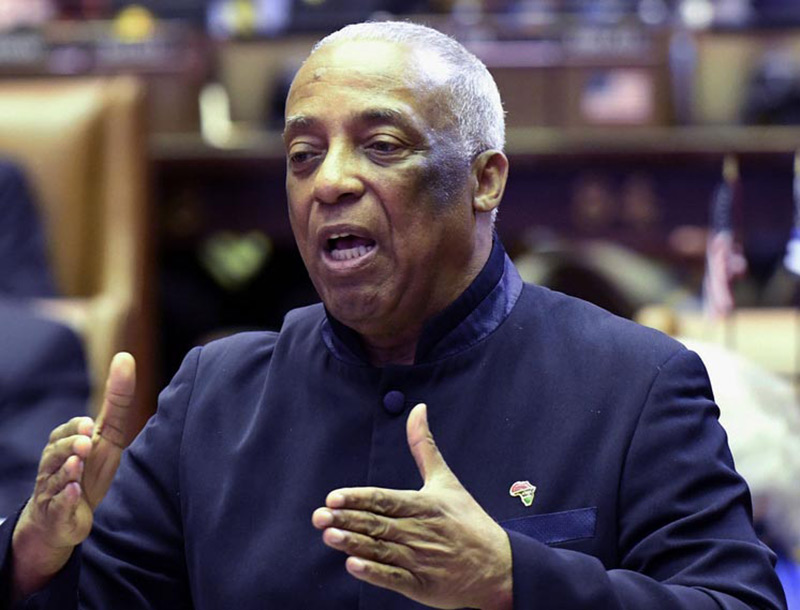
Interview with Assemblyman Charles Barron, Part Two

In last week’s Part 1, of our interview, Assemblyman Charles Barron spoke on the need for and relevance of, Black Power today. Here he gives examples.

OTP: You’ve anticipated my next question. How does your district reflect Black Power?

I would love for you to come out and I want to give you a tour of our district. You’ll see that East New York, the 60th Assembly District, is not gentrified. As a matter of fact, when I came in, 69% of the community was Black and 19 % was Latino. It is now 71% Black and 20% Latino. We have a decrease in the white population in East New York!
Two hundred people live in the shelter in a square-block radius on Alabama Avenue. There’s a two-story shelter that covered the entire area – two blocks, three blocks, around the whole square. They want to demolish that, build 300 new units of housing, and keep the shelter, [build a new one], and instead of two stories, it’ll go up 10 stories high. So it will only be on one block and the rest will be affordable housing. They have to get the okay of the City Council member, Inez Barron!
This is power! If the local city council member says no to that project, the City council is going to support her, and it cannot be built. The mayor wanted that project, the commissioner wanted that project – these are two powerful people, but it was the City Council Member Inez Barron, who had the power! The mayor said, ‘Councilmember Barron, I need to talk to you about it.’ She said, ‘I’ll speak to you. I’m in City Hall, let’s talk. I’ll have my husband come on by way of phone.’ He said, ‘No, I’ll come to you!’
And he came out to East New York to see Inez, and said, ‘What do I need to give your community in order for you to support this project?’ We said, ‘We don’t do quid pro quo. We’re not having another shelter built – not even a new shelter built on the property of an old shelter – and you do 300 units of housing. We’re not doing that, we’re already over-saturated.’ So, she said “no.’ He said, ‘Well, [the exisitng property] is a worn-down shelter.’ And she said, ‘Well if Health Home Inc. couldn’t take care of that shelter for 30 years, they shouldn’t get it. We got a house that’s almost 100 years old that’s doing well.’ So, he said, ‘Well, that’s just gonna stay. We said we would support a project that had 500 units of housing, not three, no new shelter, and move those people who are in the shelter into permanent housing!
We’ll support that. five hundred units, not 300 and then a 10-story new shelter… He left on Friday. Monday, the vote was about to come up for the project. We got a call and they said, ‘Guess what Barron? They’re caving in. There’ll be no shelter. They’ll support the 500 units of housing.’ That’s Black Power! And we did that with over 10,000 units of housing in East New York!
When the developer sits down with us and says, ‘We’re going to build affordable housing,’ we say, ‘Affordable to whom?’ And we define affordability. They say 80% of the AMI. You know, the area median income of New York City is $95,000.00 for a family of three. Eighty percent of that is $75,000. I asked the developer, “Well, what is my neighborhood AMI?” He said he didn’t know. I said, “Well, this meeting is terminated, because you’ve insulted my intelligence. How are you going to build affordable housing in a neighborhood [if] you don’t even know what the AMI is?”

So, I told him – this is what you’re going to build – or it’s not going to happen: Eighty percent of the units will be at 50% of the AMI or below, because that’s our $35,000, $36,000.00 for a family of three. That’s our AMI. Then we do have some people making $60,000 $70,000 and $80,000, so 15-20% will be at that level. And guess what? When I checked around East New York, we don’t have one market-rate housing unit in the neighborhood!
[Not one) that we signed onto in the 17 years we’ve been in office. Not one. Where can you get a studio apartment for $500 a month. A one-bedroom apartment for $700, two bedrooms for $800 to $900. Three bedrooms for $1,100.00 a month – [for people] making $25, 35, 45, 55 thousand dollars? In East New York.
I know you’re not going to like this, but I’m going to say it anyway – You can print it, or not print it. But Robert Cornegy caused some of the gentrification in Bed-Stuy. He signed onto projects where people would be making over 100% of the AMI, which is $95 thousand dollars, which 60-70% of the people are making that. He allowed that in. He allowed other things.
Next door to us, [Rafael] Espinal, who has the northern part of East New York – he and De Blasio came up with 6,000 units. Atlantic Avenue, Broadway Junction, and all that new stuff coming in there. Eighty percent of that is higher than the income level of East New York. That northern part is gentrified. And I can sit here and name you – Laurie Cumbo allowed gentrification in the Crown Heights area and allowed stuff to go up to 15, 20, 30 stories. These elected officials are responsible for some of the gentrification that’s occurring in our neighborhoods.
And I’ll close on that with this: I was looking at Atlanta, down south, the year 2000. Atlanta used to be almost 80% Black. 60-80% Black. Under the leadership of a Black mayor and a Black city councilman, Atlanta had 15 City Council members in 2000, 13 were Black and two were white. Now, under Black elected leadership, Atlanta is 52% Black and of its 15 council members, seven are white, seven are Black, and one is Latino. That’s gentrification, allowed by Black faces in high places who don’t exercise their power for their people. But they exercise it for the developers and the white executives, like mayors and presidents and governors, who want the city turned over to white developers.
Part 3 Next Week

How Do We Love Our Boys?

0

Every Wednesday, I teach a class in Creative Writing and Journalism to Junior High School students at Van Siclen Community Middle School in East New York. The class is comprised of 18 students, 17 of them are young Black and brown boys. Back in September, I offered the class an opportunity to vote for a song. That song would then be played at the beginning of our next class. The students were asked to write their choice for song on a piece of paper, then they were to fold the paper up and place the paper in my Yankees cap. After class, I tallied the votes and the overwhelming winner was a song called, Welcome To The Party by Pop Smoke.


I had never heard of the song. I had never heard of the artist. After the class, I got into my car and pulled it up. My reaction to the song was complex. On the one hand, the carnal rhythm of the track, the way that the song hit me sonically peaked my interest. It was dark and deep, more visceral than intellectual. It spoke to that part of me that used to buckle up when an Onyx song played back in the early 90’s. On the other hand, Pop Smoke’s lyrics were violent and downright incriminating. He explains how his gun is loaded. He threatens to “hit up” someone if they don’t lower their tone. He explains the drugs that he’s on. It was explicit in every way. But, it was effective. It was meant to be a dark song, and it was. It was meant to feel dangerous, and it did. Pop Smoke was talking a bunch of hood-level, gang-culture rhetoric, but he was really good at it.

I didn’t play the song for the kids. I told them that it was way too explicit to play in class. They were disappointed, but we moved on to other subjects and in a matter of minutes they had forgotten about Pop Smoke, at least for the moment. I didn’t forget about him though. I researched his music. I watched videos. I asked my nephew about him. His talent got me to thinking; if we have young men that are talented at a given skill set, like singing, writing lyrics, painting pictures with words, what is it that brings them to use their talents for darkness? What are the societal forces, the influences both conscious and subconscious, the impetus and the deciding circumstances that make a talented wordsmith like Pop Smoke use his talent to convey such negative schematics? It is really the common question in the Star Wars paradigm, the decision of each Jedi to use his forces for good or evil, except this is real life with real ramifications.


Last week, Pop Smoke was killed in an apparent home invasion gone wrong in Hollywood Hills. The news of his death struck a chord in me. He was only 20 years old, a child still. I saw pics of him and his friends holding wads of cash that were taken and posted just hours before his death. I was disgusted with the news, disgusted with the way we seem to treat each other in such callous ways.


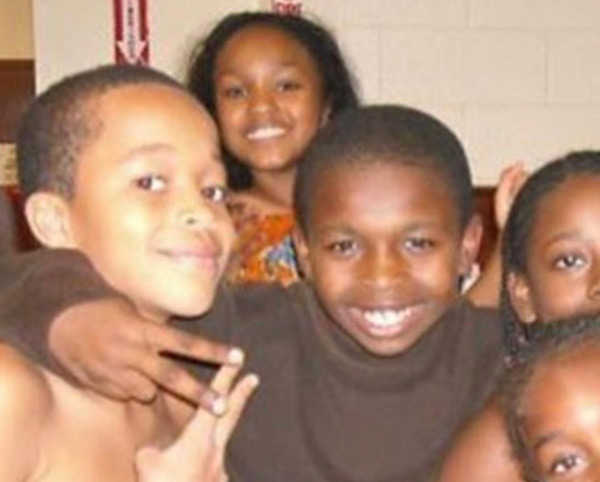
But then, I saw something else. An old elementary school classmate of mine posted her thoughts about Pop Smoke’s passing. Apparently he had grown up close to her kids. She had known him since he was grade-school age. She talked about how nice of a person he was, how big his personality was, and how he dreamt of being larger than life. He wasn’t Pop Smoke to her. He was Bashar. She posted pics of him in African garb in what looked like a performance he was a part of. He couldn’t have been older than 12 in that pic. And then another friend of mine who works at a school that I work with in East New York also posted about Bashar. He said Bashar was in church every week. He spoke about sitting next to Bashar in church service and watching him grow from a bright boy with a charismatic smile to this persona we came to know as Pop Smoke. Like the first friend, his pictures showed a boy that was happy and smart and loved.


It all made me think again about how this happens. What are the societal factors, the influences both conscious and subconscious, the impetus and deciding circumstances that change our young boys from happy and smiling and loved into a persona that emits and circulates a spirit of violence, a spirit that can, and does ultimately, eat many of our young, driving them into prisons or cemeteries? Because whatever the causes, those things are an enemy to our culture and they must be removed, at all costs. Pop Smoke was nothing more than a persona that will continue through the music he created. But, Bashar was a wonderful young man who was loved by his community, and who had dreams of transcending many of the factors that contributed to the creation of Pop Smoke. And the biggest crime in this all is that he wasn’t given the time to do so.