
By Kings County Politics News Service
In the wake of yet more police killings of black men, this time in Louisiana and Minnesota, some have been trying to pin blame on the Jewish State of Israel as the cause of this deathly police misconduct.
This included pro-Palestinian organizations that chanted in protests from Ferguson to Palestine, and most recently the New York University’s chapter of Students for Justice (SJP) in Palestine shared a post on its Facebook page claiming that “the same forces behind the genocide of black people in America are behind the genocide of Palestinians”.
The logic behind the SJP Facebook post was that the Jewish State is responsible for all actions taken by police in the United States because some police officers spend a few days training in Israel.
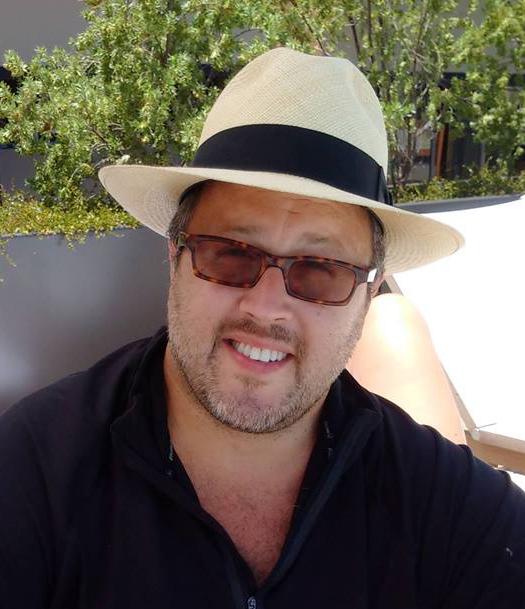
In response, OTP spoke with Yossi Stern, the retired longtime head of the Crown Heights Patrol and community activist that has long been working on the relationships between blacks and Jews.
“It is not unusual for some to be trying to blame the Jews and Israel for the police killings of blacks or what happened in Texas as they’ve been trying to blame the Jews for everything for the past 5,000 years,” said Stern. “Even trying to get Jewish viewpoints on the situation on first perception is divisive as if their collective views are any different from blacks or whites or Spanish. What is happening is a human issue.”
Stern said clearly the majority of police (for the most part) do a good job, but there is a long-standing undertone that they look at black men as suspects and they are guilty until proven innocent.
“This prejudgment is what causes these type of killings to happen. It’s been going on for years, but now because of social media it’s more visible and these incidents get even stronger emotional responses,” Stern said. “So, collectively, black people and minorities don’t trust the police because of their view of them when they approach a scene.”
Stern said a good example of this is the recent case where police stopped a black youth for riding his bicycle on a sidewalk, which is technically illegal and this gave police the right to stop him under probable cause. The first cop aggressively attacked the youth and when the second cop arrived, instead of saying something to the first cop, put the kid in a choke hold, he said.
“These type of incidents are not uncommon and have to change through a huge culture of understanding and education,” Stern said. “On the flip side, because police respond to calls in poor and minority neighborhoods where crime is higher, often their first response is to attack and then listen. This echoes (number one) of prejudgment and (two) the police want to defend themselves in case there’s a gun.”
“So the police overreact and then the community gets overdefensive. So much negative prejudgment on both sides is cocktail for disaster.”
Stern said while peaceful marches can help address the situation, blocking highways, chanting to kill the police and other such forms of civil disobedience is not the answer.
“What happens then is the police and the establishment harden their side and the civilians with legitimate issues harden their side and there’s destruction on both sides,” said Stern. “Without providing a clear path to solutions everyone gets hurt.”
Stern recommended that number one, the police hierarchy must provide better training to the officers, who often don’t come from the neighborhood where they police, on how to serve and protect the neighborhoods they cover. Secondly, community policing has to be brought back where cops walk the beat and get to know the community – places where people are friendly and good citizens and places that are trouble spots, he said.
“Thirdly, inner-city communities must set up monthly proactive town halls in schools, senior centers and community centers to aggressively get the community educated on laws and how the police work. Lastly, the level of distrust can only be broken and rebuilt if each side sees their faults that they carry. Refusing to acknowledge problems on both sides makes it hard to address them,” said Stern.
“The black community across the country can and should round up a thousand black attorneys to address the unfairness in America because it’s clear that blacks are being beaten by the greater system,” he said.
Stern said these aggressive approaches to meeting with both the Jews and blacks since the Crown Heights riots have helped quell misunderstandings and breaks down the barriers of bigotry.