
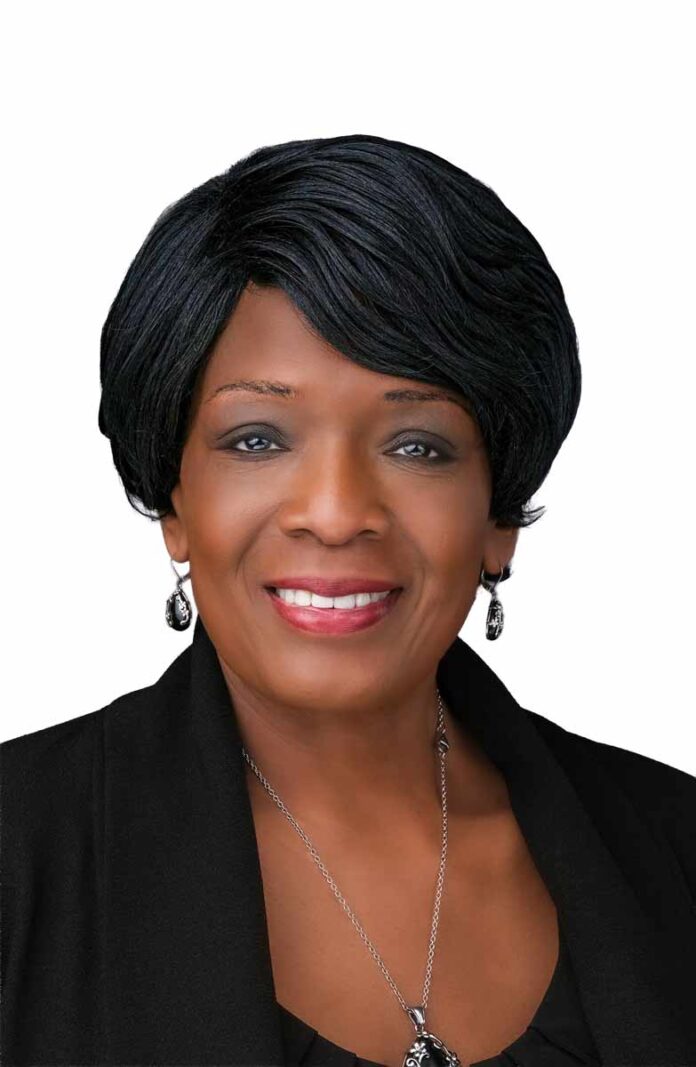

Fern Gillespie
Caregiving has become a way of life for millions of people. They are caring for an elderly parent, a sick relative or friend or even a grandchild. Many caregivers are a part of the “sandwich generation,” balancing jobs, families, and personal responsibilities while helping loved ones remain safe and independent at home.
In New York City, 1.3 million people are caregivers. Yet many people who help care for others do not necessarily identify themselves as a caregiver and, as a result, do not realize they qualify for services designed to support them. The NYC Department for the Aging (NYC Aging) has launched a caregiving awareness multimedia campaign, “You Care for Them, We Care for You,” to help caregivers recognize their role and learn how NYC Aging can support them and the people they care for.
Under the direction of NYC Aging Commissioner Dr. Lisa Scott-McKenzie, the caregiver campaign meets people where they are, and makes sure they know that NYC Aging has resources to assist them. Born in Brooklyn, Dr. Scott-McKenzie has worked for over 40 years in the healthcare field. Prior to NYC Aging, she was Chief Operating Officer at New York City Health +Hospitals/Woodhull in Brooklyn, where she led initiatives improving patients’ care, multi-million-dollar capital construction projects and emergency events as a Certified Emergency Manager. She has earned the Power Woman of Brooklyn Award for managing crisis encompassing the 2003 Northeastern Blackout, 2012 Superstorm Sandy and the COVID pandemic. Our Time Press recently spoke with Dr. Lisa Scott-McKenzie about NYC Aging’s outreach to assist NYC caregivers.
OTP: What inspired NYC Department for the Aging to create an initiative focused on caregivers?
LSM: NYC Aging recognized the need to support caregivers who are struggling to meet complex and varied responsibilities. People balancing work, family, and financial pressures take on caregiving every day. Today, over 1.3 million New Yorkers provide care, and many do not identify themselves as caregivers or know support exists. The initiative grew from the need to recognize caregiving as essential and to connect people to support earlier. Many caregivers have questions and look for a place to start. NYC Aging provides that entry point, offering guidance, information, and access to services.
OTP: What are the benefits of the NYC Aging caregiver program for caregivers?
LSM: The program gives caregivers practical support they can use right away. This includes counseling and support groups that help caregivers troubleshoot and learn problem-solving techniques from peers, training to build skills, and benefits navigation to help them access services. It also offers limited financial assistance for caregiver-related expenses, as well as long-term care planning and referrals through our citywide provider network. These supports help caregivers stay stable, remain in the workforce, and manage the emotional and financial demands of care, while also ensuring the person they care for receives the services needed to meet their care needs.
OTP: Many caregivers are in the sandwich generation. Why is it important for them to take care of themselves and join support groups?
LSM: Caregivers cannot sustain care if they are burned out. Many are balancing children, older relatives, and working at the same time. Support groups and counseling provide a space to share experiences, learn from others, and reduce stress. Taking care of themselves allows them to continue caring for others and maintain their own health, stability, and income. Much of the caregiving journey involves trial and error, and support groups are a safe space to learn what has worked for others and to build new skills in care, communication, and planning.
OTP: There are many older adults who are caregivers. What advice do you give them on handling obstacles?
LSM: Do not try to do it alone. Start by identifying yourself as a caregiver and reach out for support. NYC Aging’s “You Care For Them, We Care For You” campaign encourages caregivers to recognize their role and connect to services designed for them. Use resources like Aging Connect to find programs that support family caregivers with day-to-day needs, get help with care planning, and take advantage of respite when it is available. Small steps, like getting guidance on benefits or connecting with a support group, can make a big difference.
OTP: What programs are available for caregivers to be paid, and what training is available?
LSM: NYC Aging focuses on supporting caregivers through services like respite, counseling, training, and benefits navigation. For those seeking paid caregiving roles or compensation pathways, options may exist through other systems such as Medicaid-funded programs or workforce training partners. NYC Aging helps connect individuals to information, training opportunities, and referrals so they can explore those pathways.
OTP: Why should caregivers have a long-term plan?
LSM: Caregiving often starts suddenly but can last for years. Without a plan, families end up making decisions in crisis, which can lead to higher costs and fewer options. Long-term care planning helps families understand what services are available, how to manage care over time, and how to maintain stability for both the caregiver and the person receiving care.
OTP: What obstacles do underserved Black and Brown caregivers face, and how can NYC Aging assist?
LSM: While many have support and resources within reach, many others face higher financial strain, limited access to information, language barriers, and weaker connection to formal support systems. Caregivers may also be less likely to seek support, viewing caregiving as a family responsibility rather than something that requires outside help. Some are also more likely to balance caregiving with full-time work. NYC Aging works through community-based organizations across neighborhoods to provide culturally responsive services, multilingual support, benefits counseling, and trusted entry points to care.
OTP: How can a caregiver become eligible for NYC Aging programs?
LSM: Caregivers can start by contacting Aging Connect at 212-AGING-NYC (212-244-6469) or visiting the NYC Aging website to find services near them. Eligibility depends on the type of caregiving an individual provides, but the first step is reaching out. From there, staff can guide individuals to the right supports based on their situation.