

By Priscilla Mensah
Often, when we come across great leaders, whether it be through history textbooks, on the television or in our own lives, we wonder about their beginnings.
One of the questions that we frequently want answered is, who taught them? Who is it that helped to shape, mold and inspire them into the thinkers that they are or were. We want this burning question asked because, perhaps, we can learn from the answers and become great leaders ourselves. In that sense, the answer to a seemingly simple question can be potentially life-changing.
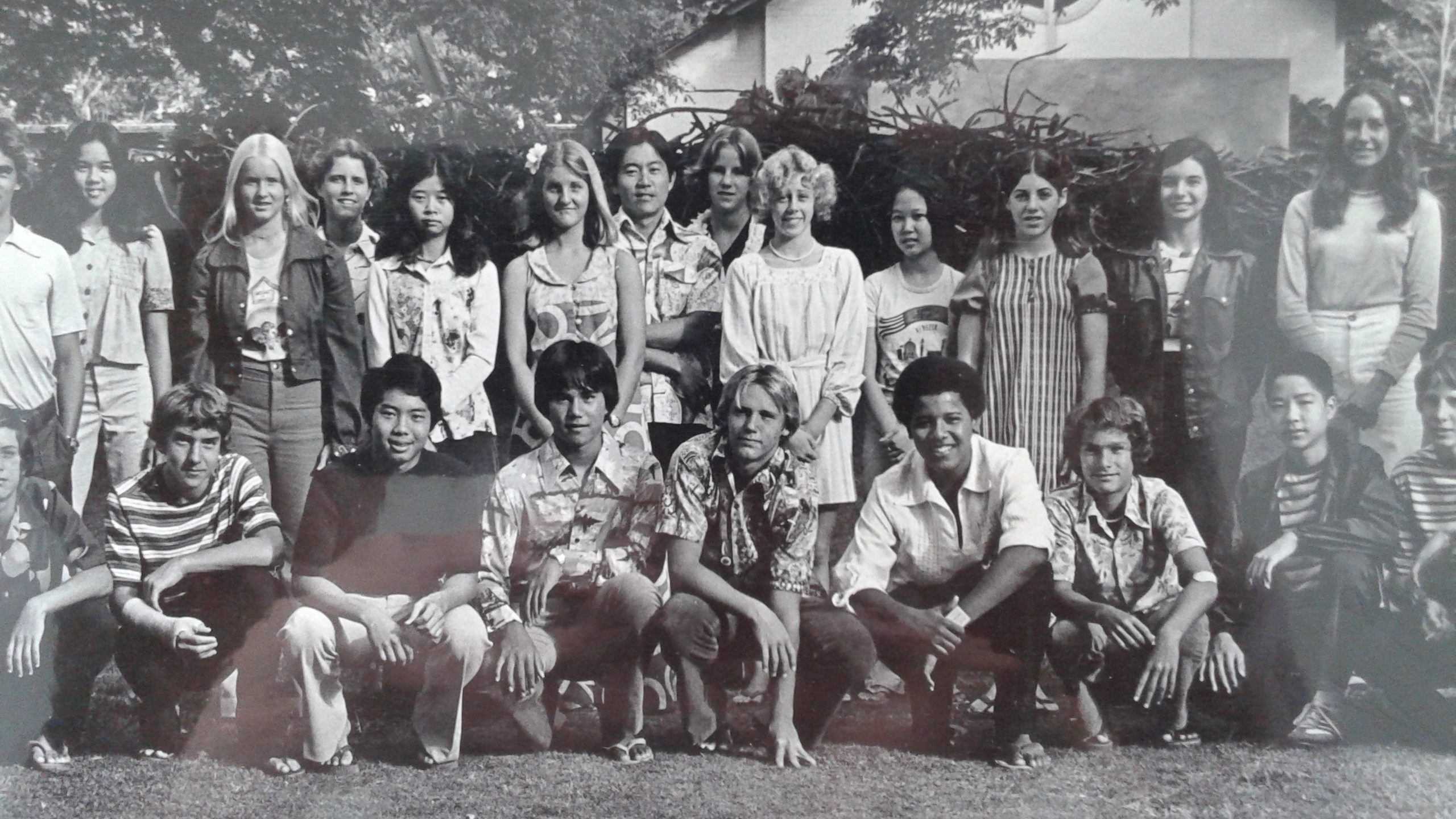
That question for me was, in large part, answered when I was given the opportunity to interview Mr. Eric Kusunoki, a former high school teacher of a young man who grew up to become President of the United States: Barack Obama.
Mr. Kusunoki taught at the Punahou School that Obama attended from 1971-79 for many years. Though he is technically retired he told us, “I still volunteer there and I am on campus nearly every day. It’s hard to leave.”
Kusunoki generously shared his remembrances of the young “Barry” from a teacher’s perspective, from Obama’s class performance to his personality, and the early signs that he would do something great.
My analysis of my interview with Kusunoki is that great leadership requires consistency. Consistently good behavior yields admirable results. I was not in any way shocked to learn that Obama was a great student and excellent classmate. I do not think you can become good overnight.
If you are a highly successful person, it is usually because you have lived a life that is reflective of your success. The person that we see in Obama today seems to be very much the same person that his teachers saw in him many years ago.
But there is something also important about how Barack, the younger, lives his life: he may be the consummate example of why quality leadership is rooted in learning very early in life the importance of valuing roots. Of his impression of the “Barry,” the man, Kusunoki told me :“He never forgot us ‘little guys.’ Whenever we (would) see him, the first thing he asked was, ‘How is everyone back home?’ and the last thing he said was, ‘Tell everyone back home I said Hello and Aloha!’.”
“That’s the kind of guy he is. He hasn’t changed. Still having that common touch, still very humble and down to earth.”
And remembering where he comes from.
Priscilla Mensah is an avid reader and scholar who resides in Brooklyn, New York. Her passions include community empowerment and improvement. Priscilla can be reached at pmensahbrooklyn@gmail.com.