Home Blog Page 185

Managing Diabetes: It’s Not Just Sugar!

Jerimiah C. wanted to remain anonymous so as to protect his mother’s identity and her privacy. But after last week’s Our Time Press articles on diabetes, he contacted the paper to say, “My Mama is a diabetic, and we have to carefully watch her blood sugar levels every day. She is in her eighties. We cook specific food for her to make sure that sticks to what the doctors suggest. But, for quite a while, there has been a shortage of her usual injectable diabetic drug. So now we have to get her a weaker version of her diabetes medicine. We have people using a drug meant for a crucial condition – to lose weight. I am not knocking them, but those who make the medication should do something about this.”

By Nayaba Arinde
Editor-at-Large

Despite popular belief, sugar is not the only culprit in the rampant diabetes wave raging through the Black community.
“Diabetes can occur due to an overconsumption of starchy vegetables, deep-fried foods, alcohol, bread and bagels, specialty coffee drinks, fruit juice, and soda,” Weill Cornell RN Oasia Holback told Our Time Press. “Diabetes isn’t only an issue for the old or overweight; anyone can develop this incurable condition. Mismanagement of the disease can lead to vision-altering eye damage, slow wound healing, heart disease, stroke, nerve damage which can lead to unintentional burns or the loss of toes or feet as well as an increased risk of developing Alzheimer’s disease.”
The American Journal of Public Health has reported that “African American adults are 50% to 100% more likely to have diabetes than are whites.”
“It is dire, but preventable if we simply pay serious attention, “ the decades-long healthcare worker Enid Knight insisted.
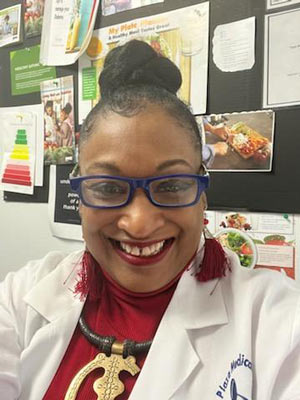
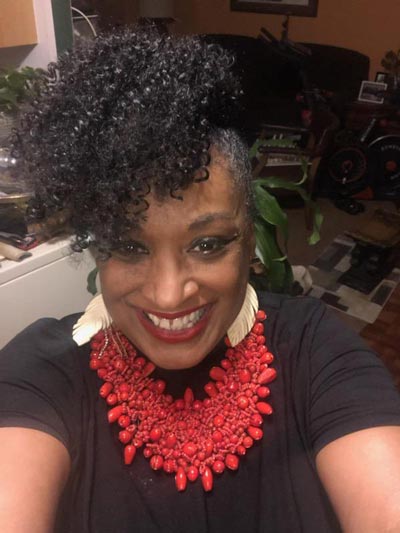
Enid Knight, Diabetes and Chronic Pain Manager


The Diabetes and Chronic Pain Manager at the Brooklyn Plaza Medical Center in Fort Greene told Our Time Press, “We are more likely to get diagnosed with diabetes. We have to manage our health. Advocate for ourselves, so that we can monitor our health. We don’t want to be hit with any unhealthy surprises. If you don’t know, there is no prevention. And then we get end-stage renal disease and lower-extremities amputations. Why? You need to know where you are, to know where you need to be, to work on the outcome.”
And now there is yet another issue. Everydayhealth.com wrote, “It might be hard to imagine a diabetes drug trending on social media, but that’s exactly what’s happening with semaglutide (Ozempic), a drug used to treat type 2 diabetes, as word spreads about one of its side effects: weight loss.”
Some celebrities who have been known for years to speak about their weight suddenly appear a tad bit thin, some even gaunt. Others are complaining that they now cannot stop losing weight. With millions responding to Ozempic hashtags, media headlines ramping up the conversation interest is growing.
The U.S. Food and Drug Administration (FDA) said that due to the demand increase for the drug Wegovy, Injection, .25 mg/.5 mL, there is limited availability. With “estimated shortage duration TBD.”


The Daily is Case Western Reserve University’s internal e-newsletter wrote a piece on the “diabetes drug Ozempic and the weight-management drug Wegovy.”
The article explained that “Semaglutide is a chemical of the glucagon-like peptide receptor (GLP1R) that helps regulate blood sugar in type 2 diabetes and reduces appetite.”
Jerimiah C. wanted to remain anonymous so as to both protect his mother’s identity and her privacy. But after last week’s Our Time Press articles on diabetes, he contacted the paper to say, “My Mama is a diabetic, and we have to carefully watch her blood sugar levels every day. She is in her eighties. We cook specific food for her to make sure that sticks to what the doctors suggest. But, for quite a while there has been a shortage of her usual injectable diabetic drug. So now we have to get her a weaker version of her diabetes medicine. We have people using a drug meant for a crucial condition – to lose weight. I am not knocking them, but those who make the medication should do something about this.”
Everydayhealth.com quoted Dr. Beverly Tchang: “I worry more that people who do not have obesity or diabetes are buying semaglutide at its out-of-pocket cost to get skinnier,” Dr. Tchang, is an endocrinologist and assistant professor of clinical medicine at Weill Cornell Medicine and New York Presbyterian Hospital. “Patients with diabetes and patients with obesity both deserve treatment, and the shortage of semaglutide in general affects both populations.”


Reportedly, Ozempic is cheaper, and may even be covered by insurance. Whereas Wegovy can run as much as $1,500 for a 30-day supply.
A 2021 New England Journal of Medicine clinical trial published monitored 2,000 non-type 2 diabetic adults with obesity for over five years. Asked to choose improved lifestyle changes with regards to food and exercise, two-thirds were given a weekly semaglutide injection, while the other one-third were given a placebo injection.
Everydayhealth.com reported that at trial end, “people on semaglutide lost about 15 percent of their body weight on average — compared with about 2.4 percent for the placebo group.”
Everydayhealth.com cited, “Now there’s a shortage of Ozempic, as well as its obesity treatment counterpart Wegovy (both are the generic semaglutide), according to the FDA. People have also had challenges getting Mounjaro (tirzepatide) for type 2 diabetes. Manufacturer Lilly has worked to increase production. The recent approval of tirzepatide for weight loss (sold under the name Zepbound) has people with diabetes nervous about shortages of tirzepatide.”
Diabetes Daily wrote a piece in November last year saying, “For most of 2023, Mounjaro users with type 2 have had to navigate around frustrating shortages, largely provoked by demand for the drug from people without diabetes.”
The National Institutes of Health says that diabetes occurs when blood glucose – blood sugar– is too high. Insulin, a hormone made by the pancreas, helps glucose get into your cells to be used for energy. In type 2 diabetes, the body does not make enough insulin or does not use insulin well. Over time, too much glucose in the blood can cause health problems, such as heart disease, nerve damage, eye problems, and kidney disease. Type 2 diabetes occurs most often – but not exclusively, in people 45 or older, have a family of diabetes, or are overweight or obese. In the U.S., Black adults are nearly twice as likely as white adults to develop type 2 diabetes. This racial disparity has been rising over the last 30 years.


The American Diabetes Association (ADA) reported that there are several Social Determinants of Health and Diabetes, saying that “diabetes affects racial and ethnic minority and low-income adult populations in the U.S. disproportionately.”
There is help. One Brooklyn Health Diabetes Center of Excellence at the Pierre Toussaint Health, has an interdisciplinary team made up of a Board-certified endocrinologist, a Diabetes Care and Education Specialist (DCES) registered nurse, a nurse practitioner dedicated to the care of diabetes and metabolic disease, Doctor of Pharmacy for medication management, and Health Coaches.
Brookdale Hospital Medical Center’s Diabetes Care and Treatment at the Medication Management Clinic, has experienced PharmDs and primary care providers, and their Diabetes Self-Management Program and a Diabetes Prevention Program.
In addition, Interfaith Medical Center’s Bishop Walker Health Center also offers Diabetes Self-Management Group Programs, a Medication Management Clinic, and treatment services.
The Flatbush Avenue-based CAMBA non-profit resource agency says that their Brooklyn Drive Down Diabetes program “addresses the widespread prevalence of diabetes and pre-diabetes in low-income…neighborhoods [with] large African-American, Afro-Caribbean, and Latino/a populations, with disproportionately high rates of diabetes-related morbidity and mortality.”
Ms. Knight advised anyone with diabetes to “Check your AIC regularly, and know your numbers for your blood sugar, over 9 is real critical. It can impact your heart, your kidneys, your eyesight, your lower extremities. Neuropathy – you wouldn’t wish it on your worst enemy… that chronic pain might make you not want to comply altogether. Then the depression gets in…It is preventable and manageable. We’ve got to show up when we get the information.”


The CDC says that as well as a person having to manage their food intake and engage in more exercise, they advised that, folks diagnosed with the illness also need to ensure that they maintain contact with a “primary care doctor, foot doctor, dentist, eye doctor, registered dietitian nutritionist, diabetes educator, and pharmacist, family, and other important people in your life.”
“It’s never too late to adjust your mind to a healthier way of thinking and your body to a healthier and more vibrant way of living,” health and fitness advocate Divine Allah told Our Time Press. The Trenton-based ‘Wellness OG’ and founder of Mind Body Activism continued, “There Is no drug – no matter how popular – that can do what a natural and holistic way of living can do for your mind or your body. Mental and physical fitness should be a daily standard for a better quality of life for our people.”
A Vigil of Peace for Amadou Diallo

0

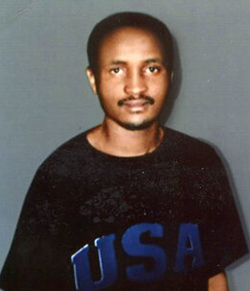
On Sunday, February 4, 1999, a hard-working young man with aspirations for a college degree, who spoke multiple languages and had several degrees, died in a hail of bullets on a street in The Bronx.
He was arriving home from work. He was unarmed. He was not a criminal. He aspired to attain other degrees. It was police-involved.
Vigils on the anniversary of the murder of Amadou Diallo have occurred each year ever since his death. And so, it was for this 25th-year anniversary weekend.
Two important events were held near the site where his life was taken to remind the world of the American tragedy and what was stolen from it.

Amadou Diallo


On Friday, February 3, The Bronx Community College’s Amadou Diallo Youth Arts and Sci-Tech Day paid homage to its namesake with middle school, high school, and college students participating in art, science, and technology activities.
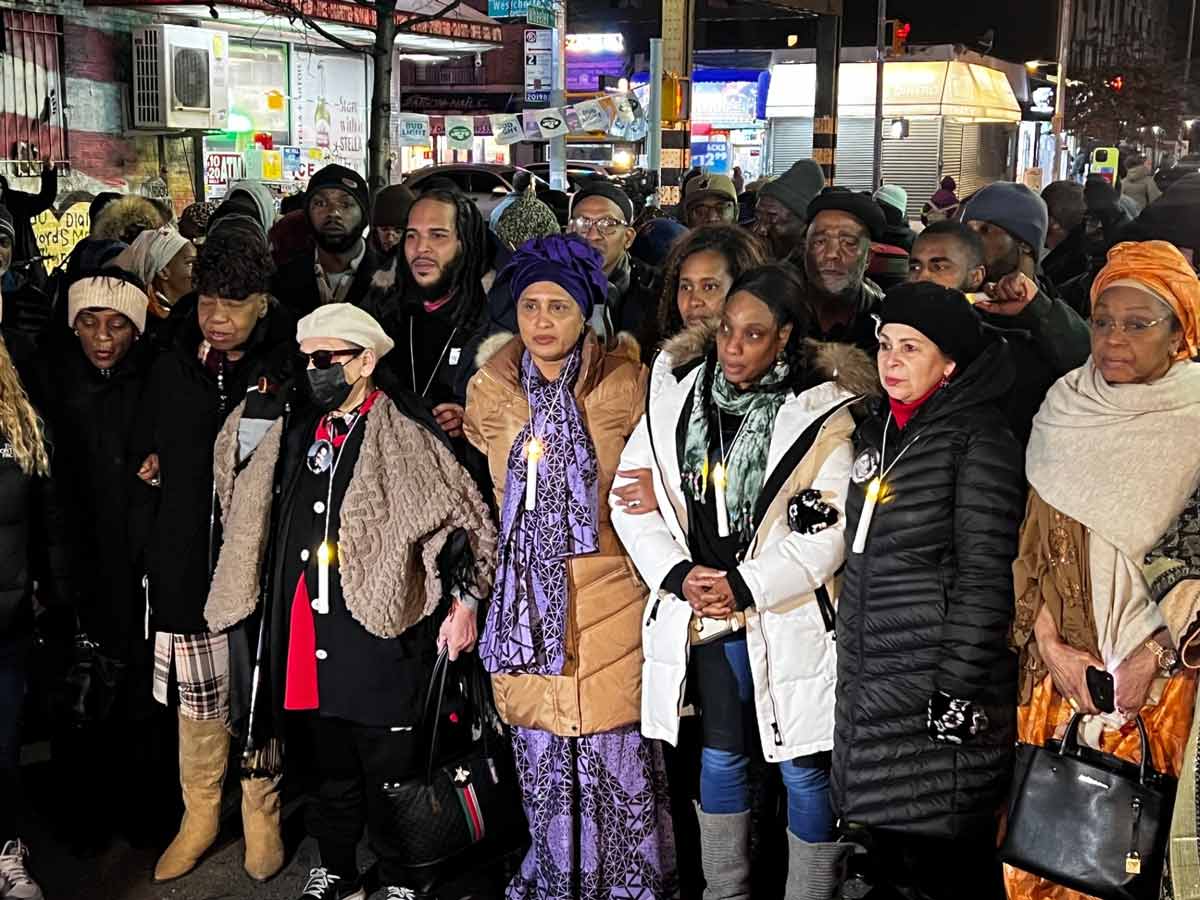
On February 4, the anniversary of the shooting , a vigil was held on Wheeler Avenue with a silent walk from the Amadou Diallo Mural on Amadou Diallo Place (1177 Wheeler Avenue) to 1157 Wheeler Avenue, the site of the the1999 tragedy.
On that night, elected leaders, residents, neighbors, New Yorkers from all over the city, along with such organizations as the JusticeCommittee.Org, the Malcolm X. Grassroots Movement, and the CUNY School of Law, walked with Mrs. Diallo along Amadou Diallo Place to the site of her son’s death, and where the shells of 41 bullets were once scattered.

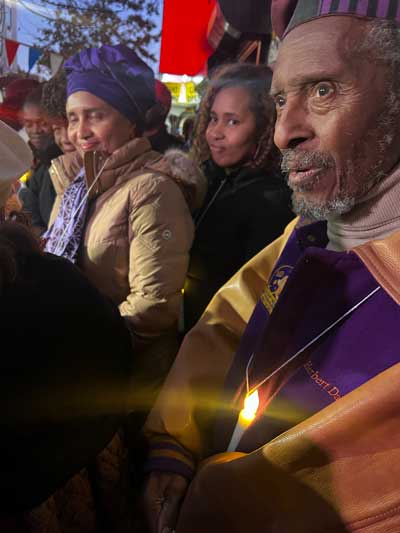
“A Sense of Peace”: Kadiatou Diallo (left) revealed that 25 years after the tragic death of her first-born, Amadou Diallo, she has found peace through the prayers, activism memories and support of an extended family of New Yorkers that includes The Rev. Herbert Daughtry, and other mothers who have been through the tragedy.


She walked arm in arm with other mothers of a movement to stop violence, and to welcome peace, and unity in our communities.
Sean Bell’s mother, Valerie; Eric Garner’s mother, Gwen Carr, and others who lost their sons “at the hands of the police” joined elected officials and community leaders to show solidarity with Mrs. Diallo and such organizations to keep the national conversation going.
“It’s a quarter of a century, so I had to return here without crying,” said Mrs. Diallo to the media. Of her first-born child, she said, “I want to pick up Amadou, dust him off, and give him back his story.”


And she’s doing just that through the Foundation she developed in his memory and in celebration of the values he shared with his strong family.
She also expressed her family’s gratitude to New Yorkers as a whole: “You guys helped us, prayed with us, comforted us when we needed that. We prayed together. We marched together. We protested together. We demanded changes together. And the journey continues.”
After Diallo sued the city and reached a $3 million settlement, she formed The Amadou Diallo Foundation.
“It’s for his dream to be implemented so that many young people will know who he was by achieving his dream through the Amadou Diallo scholarship,” Kadiatou Diallo said.
“I’m at peace. Amadou is at peace. It’s the history that we are documenting today,” she said.
According to the website, “The Amadou Diallo Foundation works to achieve its mission of promoting racial equality by implementing education programs designed to identify, nurture, and support promising students—especially those of African descent—who are transitioning from high school to college. Through our scholarships, training programs, and global mentorship networks, we empower our students so that they can complete their degrees, build careers, and become conscientious leaders in their communities. Our vision is to end racial inequities, promote education, and connect people, particularly of African descent.”

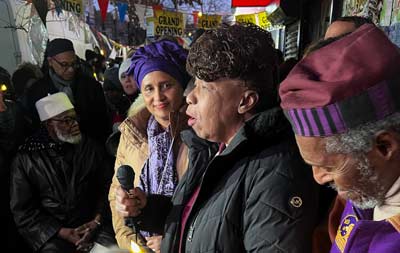
Gwen Carr, mother of Eric Gardner addresses those assembled at the vigil.

For more information or to make a donation, visit the foundation website at www.amadoudiallofoundation.org

(by Graham Weatherspoon and
Bernice Elizabeth Green)

Black Brooklyn Health Disparities: Challenges and Opportunities

By Mary Alice Miller
Black people are resilient. We work, love, create, build, and advocate. We can only do these things with good health. Maintaining good health is a challenge due to racial disparities in health care and opportunities.
The NYC Dept. of Health defines health disparities as differences in health outcomes between groups that reflect social inequalities. These disparities result in more avoidable illnesses and deaths in one group as opposed to another. Factors that influence health disparities include social and physical environmental conditions, opportunities, and stressors that impact health, limited access to primary and preventative care, and the quality of care received.
Covid-19 exposed health disparities in Black Brooklyn. However, there are other glaring disparities. Residents of the poorest NYC neighborhoods experience more premature deaths than other New Yorkers.


The Center for Black Equity recently released a report calling vaping, including non-tobacco, flavored e-cigarettes, a tobacco harm reduction tool and attributes the downward trend in adult smoking rates over the past decade to vaping. The shift from cigarette smoking to vaping generated healthcare savings due to reduced lung cancer rates and increased economic growth.
“Smoking is the leading cause of preventable death in the U.S., and its principal victims are marginalized populations,” said former Congressman Ed Towns in a recent op-ed, arguing against the banning of flavored e-cigarettes in New York State and at the federal level. “The harm reduction benefits of broad access to nicotine e-cigarettes are critical to advancing positive health equity outcomes for communities I have long served, many of whom remain cigarette smokers looking for an alternative.”
A National Library of Medicine at the National Center for Biotechnology Information study found Blacks and immigrants are marginalized and experience healthcare inequities due to a lack of trust, discrimination, and social determinants (housing, food security, and other social factors). The study concludes that improvements in the healthcare system should be based on feedback from patients of color regarding their unique care experiences.
The New York State Taskforce on Maternal Mortality and Disparate Racial Outcomes found Black women are three times more likely to die in childbirth than white women. Black Women’s Health Imperative found in NYC, Black women are eight times more likely than white women to die from a pregnancy-related cause.


“There is a crisis,” said Assemblywoman Rodneyse Bichotte Hermelyn, chair of Kings County Democratic Party, who has personal experience with the issue. “In America, and in the state of New York, the maternal mortality rate is high – especially among Black women. The disparities are alarming, and Black women and Black babies are dying.” Bichotte Hermelyn hosted a forum on the topic at Brooklyn College with the goal of finding legislative and health care solutions.
There is a growing pattern of women facing criminal charges related to their pregnancies and pregnancy outcomes, such as abortion and miscarriage—this pattern, which disproportionately targets people of color, risks deterring people from accessing essential health care. Black women disproportionately experience adverse pregnancy outcomes due to inadequate healthcare and disproportionately experience disrespect, abuse, and punitive law enforcement responses when they seek pregnancy-related care.
Congresswoman Yvette Clarke and the Democratic Women’s Caucus urged the Biden administration to address “the longstanding pattern of criminalization of people on the basis of their pregnancies and pregnancy outcomes in the wake of Dobbs v. Jackson Women’s Health Organization.”
The Brooklyn Health Equity Index, a collaboration between One Brooklyn Health System, SUNY Downstate Health Sciences University, and the Arthur Ashe Institute for Urban Health, seeks to “measure how hospitals and healthcare systems are addressing equity with the long-term vision of providing healthcare organizations with a tool that will enable the organization to make systemic changes to promote health equity,” said Aimee Afable, Ph.D., M.P.H., associate dean for community engagement at SUNY School of Public Health. “There are many tools available to measure patient satisfaction, but these tools currently don’t measure health equity. The Brooklyn Health Disparities Center is committed to reducing health disparities in Brooklyn and increasing the level of engagement of academics, community members, and policymakers.

The Health Equity Report cited Brooklyn as having 45% of residents with Medicaid insurance and 8.2% with no health insurance. 13% of Brooklynites 18-64 years old have a disability—the rate of preventable hospitalizations is 126 per 10,000 population. Brooklyn has 4.8 homicide-related deaths per 100,000 population. Emergency room visits for asthma are 112.7 per 10,000, 4.3 per 10,000 for diabetes hospitalizations, 13 per 10,000 for heart attack, 128.4 per 100,000 for gonorrhea in females, and 381.5 for males, 94.9 per 100,000 for syphilis in males, and 23.4 newly diagnosed HIV cases per 100,000. Opioid use, abuse, and overdose deaths in Brooklyn are 299.4 per 100,000, and suicides are 5.2 per 100,000.
The New York Health Foundation recognizes racial and ethnic health disparities and does grant-making to address equitable access to healthy food, empower expectant parents, meet the needs of minority veterans, engage patients of color as partners in their health care, address the needs of formerly incarcerated New Yorkers, and training health care providers on equity issues.

According to One Brooklyn Health, there is a 13-year life expectancy gap for residents in East and Central Brooklyn. OBH seeks to identify factors contributing to adverse health outcomes and build on current strategies to improve the health and overall well-being of the communities it serves.

At a recent forum called Health Equity in Action: Community in Care, Torian Easterling, MD, MPH, Senior Vice President of Population and Community Health and Chief Innovation Officer of One Brooklyn Health, said, “In order to achieve the outcomes that we need, we have to do it together.”

Diabetes, Disparities, and Addressing Chronic Illness In the Black Community

BY NAYABA ARINDE
OTP Editor-at-Large

Black history health is coming into focus this Black History Month.
At the same time, Black History Month has to be more than just the Black universal power of constantly overcoming trauma. All the heroes noted by the mainstream are those who strove to go through, over, or under historic mainstream-imposed obstacles. We celebrate unsung Black excellence, too.
At the same time, reality is real, and health, access to insurance, affordability of medicine, and accessible help are on top of mind for millions.
This month , we also acknowledge super doctors, nurses, and subjects such as: ‘Father of the Blood Bank’s Dr. Charles Drew; nurse Harriet Tubman; Tuskegee, Alabama-born neuroscientist Dr. Keith Black; and Rebecca Crumpler, MD, the nation’s first Black female doctor. Despite delving back into trauma, also commemorated are women who were used or suffered for medical experimentation, such as cancer-diagnosed Henrietta Lacks – whose HeLa cells were harvested from her blood, and used for research and diabolical treatments, and may have saved up to a reported 10 million lives.
Then, of course, there is the 1932 – 1972 infection of 400 Black men deliberately infected with syphilis by government agencies; the 19th century publicly exploited, victimized, and abused Khoi Khoi-born Sarah Baartman; and widely reported that determining that Black women don’t feel pain like white women, Dr. J. Marion Sims operated on enslaved women without anesthesia on victims such as Anarcha, Betsey, and Lucy.
February is also heart health month. The chronic illnesses affecting the Black community are numerous and well-documented. They include heart disease, hypertension, diabetes, and asthma.

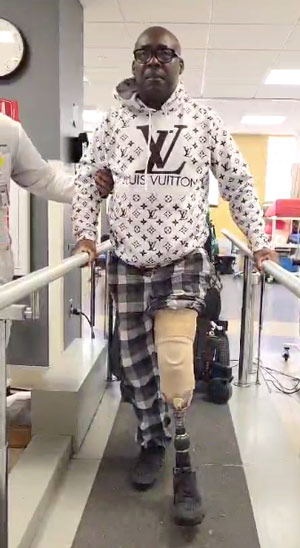
Mr. Lilly practicing with his prosthetic leg.


Harriet A. Washington’s celebrated tome ‘Medical Apartheid’ looks into what the title suggests. Tackling just one: the number of Black people diagnosed with Type 1 and Type 2 diabetes is on the rise. Equally disturbing is the number of amputations occurring. With that comes patients questioning whether or not the surgery was necessary.

Bedford-Stuyvesant resident Joan Williams told Our Time Press, “My brother has been diabetic since 2021. He had poor circulation in both feet. The hospital said they were going to amputate his leg below the knee. But, he got a second opinion. So, they ended up cutting off both his feet. He has been learning to walk again for the last two years on prosthetics.

They love to cut us.


The Centers for Disease Control – CDC recently reported that 2019–2021 figures of US adults 18 or older have 12.1 percent of Black people in the nation diagnosed with diabetes.
About 38 million Americans have diabetes, according to the CDC, with about 90-95% of them having type 2 diabetes.
“African and Caribbean Americans are at a higher risk than their white counterparts of heart disease, asthma, cancer, HIV and AIDS, and hypertension, and all of these anxieties,” warns health advocate Enid Knight, Diabetes and Chronic Pain Manager at the Fort Greene Brooklyn Plaza Medical Center.
Why is that? In a recent interview with Our Time Press, Ms. Knight suggested stress as a common factor, adding, “We’re (also) worried about our finances. Are you living above your means? Are you living within your means? You can build your wealth and your health at the same time.
“People are saying, ‘I’ve gotta make this dollar,’ but you have a health condition that you’re not even considering. People might say, ‘I’ve been diagnosed with COPD.’ But you’re smoking. Does that make sense?
Ethnicity-wise we are at the highest death rate. “These are what I call preventable deaths, and preventable health conditions,” she said. “Do we spend time to find out what diabetes is?” She asked. “‘My uncle had it. And your uncle died of diabetes [complications]’?” Or “‘My aunt had diabetes and her leg was cut off.’”

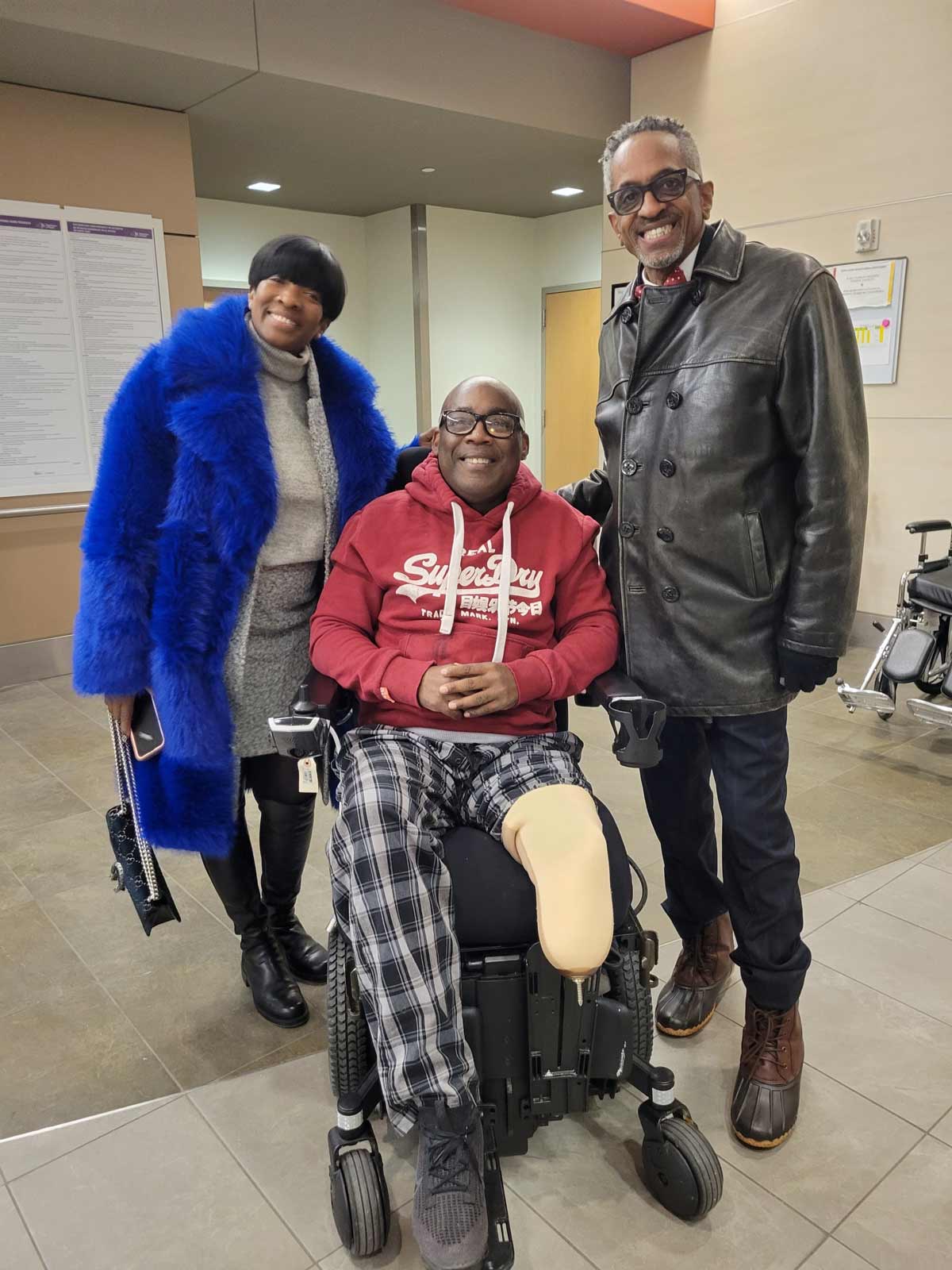
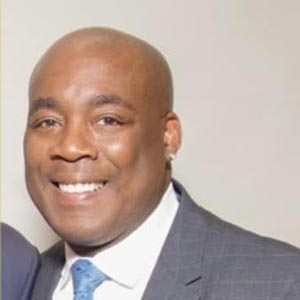
Keith Lilly, former Harlem
District Leader, 68th Assembly
District.


So why was that happening when diabetes is a manageable disease? ‘Aunty didn’t take her medication. She didn’t change her diet.’ Or ‘She was from the Caribbean, or the South, and she continued to eat like she wanted to. She made no changes.’
Ms. Knight told Our Time Press, “We have to make changes. High blood pressure is a big thing for African Americans. And (we) should monitor. Are you checking your pressure? Are you taking your medicine? Are you taking it correctly? You have six or seven medicines, but you’re only taking two? African Americans aged 18 to 49 are two times more likely to die from heart disease than other Americans.”
What about access?
“Under the Affordable Care Act, why aren’t we going to the doctor? This excessive cardiac distress in our population is because people are not going to their referrals but will go get that liposuction or that breast reduction. But we have hypertension, but we are not looking at what those factors can do to us significantly.”
Keith Lilly, the popular former Harlem District Leader, 68th Assembly District, told Our Time Press that last July his lower left leg was amputated after 10 years of living with diabetes.
It all started, he said, with a small hole in his foot, which he did not feel because of his neuropathy. “I didn’t know where the hole came from, but I didn’t think anything of it. I cleaned it out, put a band-aid on, and a few days passed, and the hole started to get larger.”
A week later, he went to the hospital as the wound was not healing, “and my toes were swollen. So I went, they gave me antibiotics, and sent me home. But the hole got larger. But I had no symptoms of a fever, so I didn’t know I had an infection. There was no numbness, no pain, just swelling and the hole getting larger.”

Enid Knight, Diabetes and Chronic Pain Manager at the Fort Greene Brooklyn Plaza Medical Center


But then Mr. Lilly said he began losing balance. “I was finding it difficult to walk. I went back and that’s when they kept me and told me that I had an infection. I was in Mount Sinai. They cut a couple of toes off, to [stop] the infection from creeping up. Their claim was, ‘We think we are going to have to cut further because we don’t want the infection to get further up the leg.”
Then Mr. Lilly said medics returned and said that they would have to take his left foot.
“I was skeptical and asked for a second opinion. But it was from the same people in the cardiovascular department that came, and they said the same thing the other doctors were saying. ‘If you want to save your life, we believe that we should cut below the knee or the entire foot, as opposed to half the foot.’, We went back and forth. Finally, I agreed for them to take half the foot, under the assumption that they were saving me from the infection going further up my body.”
Mr. Lilly’s leg was cut from the knee down. Our Time Press reached out to Mount Sinai but did not get a response by press time.
Mr. Lilly has been in rehab since July 2023, and is learning to walk with a new prosthesis, and uses a wheelchair and scooter.
With reference to people only responding to medical challenges when the issue becomes chronic, Mr. Lilly said. “That’s very true. You just don’t know. It’s really scary too, because you could be going through a series of things in your body, but, until something painful happens like neuropathy or your hands are tingling with pain, you react off of that. But. If none of that is happening it doesn’t suggest that your AIC is not high, because mine was over 12.”
He was eating sweets, he said, but lots of pasta and rice. “People don’t realize that if you don’t eat cake, or cookies, or candy that you’re [still not] alright. But a lot of it is the rice, the bread – all that turns into sugar.”


The 57-year-old father of one daughter, advised anyone with high blood pressure to, “Bring it down, because to have high levels is extremely dangerous. Check your AIC as much as possible to check that it is at normal levels. I brought mine down to under 6,” being in rehab.
“I’m not eating the way I ate. I eat smaller portions. Don’t drink sodas, or juice. I’m taking insulin.
As he shows appreciation for a GoFundme which is helping him raise monies to adapt to his new life with a prosthesis, eternal activist Mr. Lilly told Our TimePress, “I am realizing that so many community stores are not handicapped-accessible. I want to advocate for diabetics, and the handicapped on an array of issues.”
“Black health is at stake on all levels, whether it’s Black wealth, Black physical health, Black mental health, Black financial health – all of this affects our overall Black health,” said Enid Knight.

This Far By Faith …

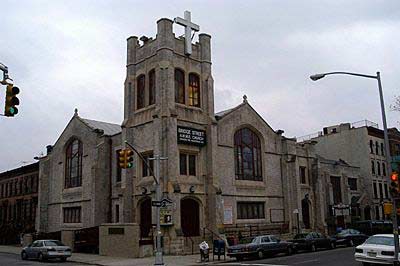
Bridge Street AME Church Historic Milestone Anniversary Service
(OTP Reprint from March 3, 2016)

Bridge Street AME Church, under the pastorate of The Rev. David Cousin and The Rev. Valerie Cousin, celebrates its 258th year as a leading faith center for Brooklyn and beyond on February 25th, the last Sunday of this 2024 Black History Month. This year also marks the OTP co-founders’ church roots and decades-long professional partnering association with the church. The following is a reprint of an article published in the issue celebrating the church’s 250th anniversary.

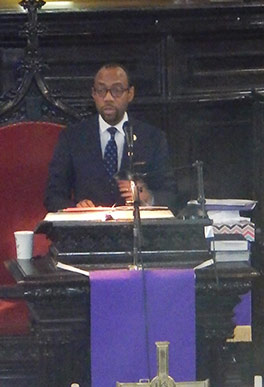
Bridge Street Church’s 250th anniversary featured and address by one of the nation’s great speakers, The Rev. Dr. Cornell Brooks, a civil rights activist, attorney, minister, and leader of the NAACP as chief executive officer and the organization’s 18th president.
Dr. Brooks follows a long line of distinguished history-makers who have spoken at the church over the years. They include: U.S. Secretary of Commerce Ron Brown, Governor Mario M. Cuomo, Mayor David N. Dinkins, and the writer/composer James Weldon Johnson, author of the words for the African American anthem. “Lift Every Voice and Sing;” orator/human rights leader Frederick Douglass, and humanitarian, freedom rights warrior Harriet Tubman — whose passing is observed annually on March 10.
On Sunday, February 28, Dr. Brook’s remarks to the “august and distinguished congregation,” included an amazing “appreciation” to guests, visitors and the membership. He started off with a nod to Rev. David B. and Valerie Cousin for their leadership, service, commitment and ministry. He then expressed appreciation to everyone present including, “all the preachers, stewards, trustees, choirs, the bishop – Presiding Elder Melvin Eugene Wilson, the NAACP board of directors, Dr. Hazel Dukes, president of the NYS conference, Karen Boykins-Towns, former NAACP Brooklyn chapter president, and L. Joy Williams, who currently holds that honor.

The Rev. Dr. Cornell William Brooks, National President & CEO, NAACP


His list also included the precinct commander, all the members of the Judiciary, Senators, the Comptroller and the Brooklyn District Attorney. He didn’t omit the elected officials, including the city council and representatives of the Mayor’s office, “who have graced us with their presence and their commitment to engaging in public service beyond the last Sunday preceding the first Tuesday in November.”
His humor was delightful. His grace, honorable. His message, mighty.
Dr. Brooks’ presentation was also impressive because of its example of how a trained mind works from an exacting memory: no notes. He never missed a beat, even as he was asked to announce cars that were double parked and about to be ticketed. As The Rev. David B. Cousin, Bridge Street’s pastor, handed the guest speaker a slip of paper during his address, Dr. Brooks said, “Now speaking parenthetically about the affluence and prosperity of this great congregation, the pastor just passed me a note, there is a silver, note that, Mercedes – notice I said I was speaking prophetically.” Dr. Brooks then read aloud the license plate number, and immediately continued with his keynote with: “We will intervene with the Lord as you try to move your car to avoid a ticket.” The congregation erupted in laughter. (Bernice Elizabeth Green)

The Rev. Dr. Cornell Brooks
President and CEO, NAACP
Keynote Speake
r

“Not Merely Historic,
But History-Making”
(Excerpts)

On this memory-imbued afternoon, we find ourselves in this sacred space at this sacred time, not by happenstance, not by accident, not as a consequence of a crap shoot of chronology.
We find ourselves at this point on the Gregorian calendar, not as a consequence of the mere ticking of a clock. We find ourselves in this place at this crossroads of ministry in this extraordinary mecca of commerce and culture called New York City. We find ourselves in these pews in front of this Holy desk under the anointing of the Holy Spirit at a moment in which a congregation called Bridge Street African Methodist Episcopal Church is celebrating its 250th year of ministry. We find ourselves in a moment in history where we are yet celebrating African American History Month. We find ourselves in a moment in time when we are yet celebrating the 107th birthday of the NAACP. We find ourselves at the intersection of history.
We African Methodists. We Baptists. We Catholics. We Gentiles and Jews. We, from every area of the county, whatever your hue or heritage, race or religion, if you are here, you are in a special place.
There are rivers of history that come together at this moment like the Tigress and Euphrates in the fertile-crescent or the so called cradles of civilization. These rivers of history wash over our souls, wash over our memories and remind us where we have come from, and yet where we are.


We’ve come to take this place yearning to hear from our God, yearning to hear the whisper of God’s voice down the winding corridor of time, to speak to our hearts. We have been celebrating, yes celebrating 250 years of history and wondering: What does God have to say now? What does God have to say to my needs, to my hurts, to my worries, my fears, my trepidations? What does God have to say after 250 years? There’s yet some child who’s yet asking the question: “What does God have to say to me this afternoon?”
There’s some senior who says I’ve been through a few things; I’ve walked a long way. There’s some mother or father, some husband or wife who’s yet grappling with grief and wondering what does God have to say to me? There’s some parent or grandparent or prodigal son or prodigal daughter who’s asking even amidst this august celebration of history, “What does God have to say?” and I want to simply say to you as preachers have said over the many generations this church has been in existence: God yet speaks.
… The scholar Isabel Wilkerson, in the eloquently incisive book called “The Warmth of Other Sons,” described a journey of six million African Americans from foreign countries, oppressive countries, countries in which they were mistreated and enslaved like the Israelites in Egypt; nations known as Jim Crow South Carolina; Jim Crow Georgia; Jim Crow Alabama.


And not only that, there were those who came from Islands: Jamaica, the Bahamas, and they came to a place they understood to be a Canaan land: New York City, Brooklyn. They arrived, not always by Delta Airlines, not always by First Class, some of them came by Delta Airlines of the working class, translating and transliterated, that would be Greyhound Bus lines. They came by rail and by car to New York City. They came to Brooklyn. They came here with the memory of slavery. They came here with the memory of oppression. They came here understanding what it was like to do without, to not have, to go wanting, to be hungry, to be homeless, to be without clothing, and to be without sufficient provision. They came to this church seeking help, seeking hope, seeking power, seeking prayers, seeking salvation, seeking God’s love. This is described and was described as the Great Migration. But history tells us that this church was here before they got here. You, like the ancient Israelites, have an ancient history relative to American history.


(In) Deuteronomy, which is simply the recounting, the retelling, the reiteration, if you will, of the Law, we have Moses delivering up a series of sermons. In this 26th Chapter, versus 1-9, the people are told to declare where they are…
Thereafter, they are told to declare where they came from. And if by chance someone wants to glean some kind of message they’d like to remember ‘round about Tuesday or Wednesday of this week, you can just say the preacher stopped by and he taught under the topic, “Not Merely Historic, but History Making.”
.. How many of you when you look back over your life understand what it is to be homeless; what it is to be in trouble; what it is to be worried; what it is to go through; what it is to think you might go under?
How many of you understand this Sunday morning that everybody who comes to Bridge Street was not around here on a flowery bed of ease? How many of you know that some of us here did not come as a consequence of the subway? We’ve not ridden down a paved road, we’ve come from hard places; we’ve come from trials, difficulty and turmoil. How many of you know that Bridge Street was not built from people of weak character who hadn’t experienced difficulty, who hadn’t experienced trouble, who hadn’t experienced travail?
How many of you know that this church was built by people who walked with the lord, who walked in muddy places? They walked in the rain. They walked in ditches and over mountains through dark and dangerous valleys. They walked, and they walked, and they walked. And they came to this place.


A Special Note to readers: Next week, Our Time Press continues its coverage of the January 10 historic funeral of Dr. John Flateau, the author, data genius, and community advocate at Bridge Street Church, with the launch of a series of special features recalling the speeches and remarks of associates of the community leader. In the February 15 and February 22 issues, several inspiring speeches delivered at the service will be placed. Against the history of the church as a site for some of the greatest orators of their time, including Harriet Tubman and Frederick Douglass, we are proud to salute Mr. Flateau and his beloved church in these “Best of Our Time” specials for our students young and older. The comments of Letitia James, the New York State Attorney General and Paul Wooten, former NYS Supreme Court justice, will be presented.