

Look Back for Inspiration to Move (and Give) Forward (3 of 4)
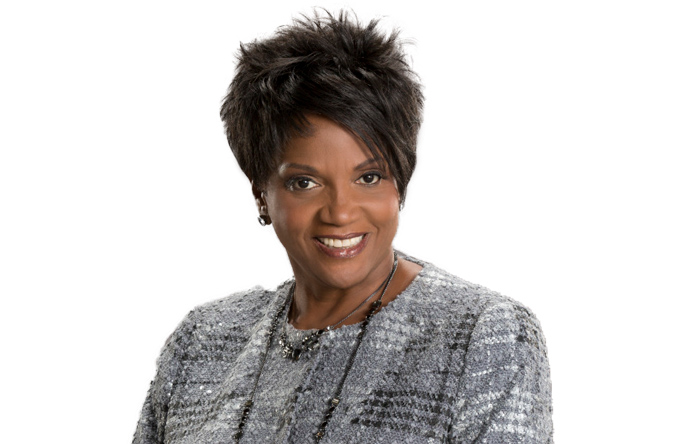
Anna Maria Horsford’s two-hour OTP interview, a pleasant and uplifting journey, explored as much about the actress’ life as our own. We mused on shared objectives and life experiences. She informed us of her personal work in counselling artists, and efforts to keep her A.G.A.T.H.A. Foundation afloat. The acronym stands for Artists Gathering as Teachers, Helpers and Advocates. The Foundation is named for her mother Lillian Agatha Richardson Horsford. a philanthropist in her own right.
AMH: I want to bring people together like she did with her family. The A.G.A.T.H.A. Foundation will be a gathering space: where advice can be shared, readings, conversations, workshops, screenings amongst emerging and established artists of stage, film and television. These “retreats” are all over America now. And one of the most notable is Sundance in Utah. Imagine how it started: a couple of friends donating their cabin for a couple of weeks and now that action has evolved into a city. I heard about another one just recently starting up, a whole Shakespeare one.
The Foundation would support a space where emerging and established actors and members of the film community could meet to discuss, create and highlight work. Artists could even develop projects together.
In this industry, survival depends on being around people having similar objectives and sharing information and event contacts. A.G.A.T.H.A. would fulfill that need.
This idea has been in the works for a number of years. What I have down personally is give micro-grants to promising filmmakers and other artists. But you have to be careful with that: sometimes you can want things more than the person who is requesting support. Even though I want artists to explore, sometimes what happens is, you can want to make things happen more than the person requesting support for it. I have bought more books from people telling me they want to do something, and then not living up to the promise or the potential.
So I’m formulating a criteria around something basic: be clear on what you want, why you want it, what story you want to tell, how badly you want to tell it; and what have you done for yourself to make “it” happen.
I was in Ithaca, NY addressing a group of women. I asked each to write a short essay on a person they found was the most industrious person they knew and why. They all promised they were going to do it. I ended up with six essays from about 100 people.
It’s not about winning a part, or being aggressive about going after funding. It’s not about what someone else is going to give. It’s about what are you giving to yourself to make it work. It’s also about if someone helps you, what do you do with the help, and how do you pass it on to the others.
The space would also teach basics on possibilities in the industry, and limitations in the industry, attendees would get positive and negative feedback from established artists in the industry.
So even if you don’t end up on TV, or in the movies, or your script goes nowhere, you’re going to end up in a different place than when you started.
OTP:Would you run A.G.A.T.H.A.?
AMH: That’s the hard part: finding that person who would run it.It must be someone who has the passion to move ahead no matter what. The person who is not going to stop working on this mission no matter what happens, that’s the person you want to have run it.
For a fundraiser I was hosting in Mississippi, these young people were helping me move chairs around. A 10-year-old positioned herself as stage manager, directing her “stagehand” cousins on the work. I sent her a Michelle Obama bag. She later told her friends, a movie star sent it to her. They didn’t believe her. So she wrote me and asked for a picture. Of course, I sent it.
But I told her parents, “Make sure she stays in touch with me. Make she has a gateway to something bigger than herself outside of her little town.” You know what I mean?
So who is supposed to teach the lessons? Somebody taught me. Your grandmother taught you. Your mother taught you. Well, how do we teach that lesson?
That’s the question. You know, what’s so important is how I use what I learn. I stayed in touch with every single one of my four black teachers from Wadleigh J.H.S. until two of them died. I remember them because they wanted me to make it.
OTP: So A.G.A.T.H.A. is an extension of you, as well? Is there anything else you would like to do, or bring to life?
AMH: To secure grants to develop the sustainable buildings for the A.G.A.T.H.A. project.
(To be Continued)