
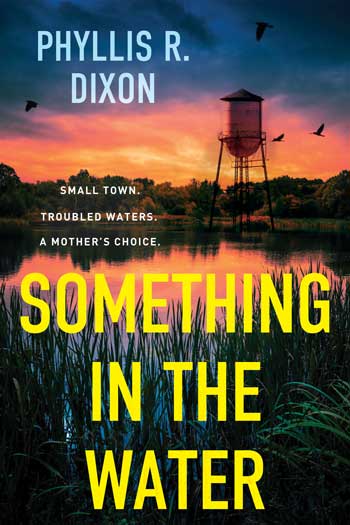
“Something in the Water” by Phyllis R. Dixon – Review by Dr. Brenda M. Greene
Phyllis Dixon’s novel, Something in the Water (Kensington, 2025), based on a compendium of facts in our environment, portrays the underlying reasons for troubled waters in a family and community. The troubled waters are a metaphor for opioid addiction, pollution, corruption, criminal acts, death, and marital conflict.
When we trouble the waters, we invite trouble into our spirit, our lives, our bodies, our homes, our places of worship, and our sites of memory (as Toni Morrison informs us in her essay, “Sites of Memory”.) Morrison posits that water has a perfect memory, and it seeks to get back to where it was, despite natural obstacles and destructive environmental elements.
Billie Jordan, a talk show host, investigative journalist, and environmental and social activist, is the protagonist of Something in the Water. Related themes in this novel include the role and impact of Historically Black Colleges (HBCUs) and the importance of family legacy. The novel begins when Billie is forced to get a new job because she loses her full-time position after the family-owned radio station for which she works is sold to a major corporation.
Faced with finding a new job, a son who has become addicted as a result of the misuse of opioid medication, and mounting debt, Billie and her husband Cole decide to relocate to Calderville, Texas, the small, predominantly Black community where her husband was raised. He has a job offer as a tenure-track professor in economics and a chance to coach a baseball team at Calder State College, the HBCU that he attended.
Dixon structures the book into six sections: Troubled Waters, Fish Out of Water, Like Oil and Water, Rough Seas, Making Waves, and Unchartered Waters. These sections focus on opioid addiction and water pollution and symbolize troubles in Billie’s personal life, workplace, and community. What begins as medical condition for her teenage son Dylan results in addiction for a promising athlete who is on his way to college and who has received awards and scholarships for his swimming. Dylan is constantly in and out of costly rehabilitation centers, thus putting a financial and emotional strain on Billie and her husband Cole.
When Billie begins an investigation into the water problem and discovers various forms of corruption and the resulting impact of this environmental crisis on the health, quality of life, and water treatment centers in Calderville, her position at work is threatened. Cole warns her that a pursuit of the water problem could negatively impact his position as a professor. Her cousin Lovey states that she does not worry about the water: “I been drinking this water for eighty years and other than a little arthritis, I’m still alive and kicking with no complaints. Plenty stuff to worry about other than water.”
Her sister-in-law Joellen informs her that: “My family has been prominent in this country for a long time. Nothing happens without people making money from it. That’s the way the world works.”
Billie has been an activist all of her life and is persistent. She faces many obstacles as an outsider in Calderville, as the mother of an addicted son, and as a Black woman who refuses to overlook the crisis in her community.
A passionate advocate for her son, she comes to understand that her son’s addiction spiraled as a result of the overuse of prescription drugs and she will not give up on him. She also understands that solving the water problem is a slow and tedious process that requires perseverance. Billie refuses to be complicit as a result of inaction. She navigates the challenges facing her with resolve. Her advocacy epitomizes James Baldwin’s words that “Not everything that is faced can be changed, but nothing can be changed until it is faced.”
The issues raised in Something in the Water are timely and will resonate with many people. Opioid addiction is still a major public health crisis in this country and climate change and pollution have resulted in a critical environmental crisis. Current government efforts dismantling environmental justice policies and funding efforts are negatively affecting disadvantaged populations, Brown and Black communities, and rolling back the initiatives of previous administrations.
The water crisis was highlighted in Jackson, Mississippi in 2022 when a state of emergency was declared because of the failure of a water treatment plant. In Memphis, Tennessee, local residents protested the installation of a pipeline transporting crude oil from Texas and Oklahoma. The project was initially cancelled, but the Tennessee state legislature passed a bill that allowed it to preempt local authority over oil and gas projects. Support for our public health and environmental justice crises must be vigilant.
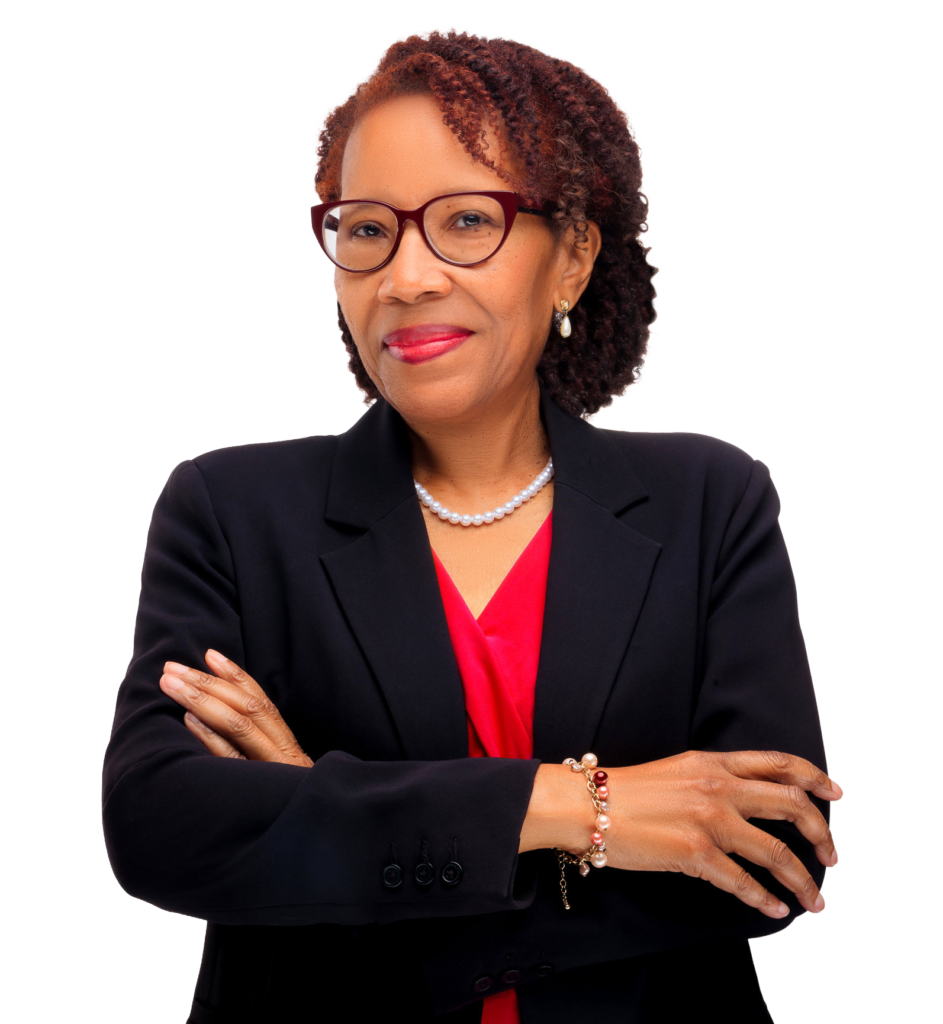
Phyllis R. Dixon is the author of the novels Forty Acres, Down Home Blues, Intermission, and A Taste for More. For more information, visit her website at https://www.phyllisrdixon.com.
Dr. Brenda M. Greene is Professor Emeritus and Founder and Executive Director Emeritus of the Center for Black Literature at Medgar Evers College, CUNY. For more information, visit https://www.drbrendamgreene.com