
By Nayaba Arinde
Editor-a-Large
“Isolation magnifies mortality. Community reduces it. In a storm, we have to make sure that we check on our elders and the most vulnerable in our community,” Aton Edwards, Disaster Manager, told Our Time Press. The creator of Life Protection Directives for the Black community said, “Make sure that you call them, go to their door, ask them before the storm comes what they may need, and go and get it for them, so they don’t try and do it. Check on disabled neighbors, too. We must do the things that are necessary to be prepared for any weather condition.”
Mayor Zohran Mamdani said on Tuesday, “Yesterday, the snowstorm of the decade arrived, with winds of up to 60 miles per hour, and more than two feet of snow falling across parts of our city.”
Now, the Blizzard of 2026 is in the books. Hammering the tri-state area as the storm crept up the coast. It came with Mamdani’s NYC travel ban, students and their parents enjoyed the one snow day. Many decried that it was not extended for two days, with safety concerns over traversing the city in the immediate post-snowfall conditions.
With students just coming back from midwinter break, the Mayor said, “It was not possible to ensure every student had the devices they needed to effectively participate in remote learning,” and public schools are critical to the health and wellness of nearly 900,000 children across our city. Whether it’s a warm meal, essential mental health support, or a source of childcare for working parents—in-person schooling is a resource that our city’s children and families depend upon.”
The pristine white snow from January 15th quickly became dirty, grey, trash-strewn, and obstructive, making sidewalks ice-blocked, bus tops cluttered, and streets difficult to maneuver.
No sooner did the month-long citywide eyesore finally melt with eventual above-freezing temperatures last week than the blizzard slammed the five boroughs and the tri-state with almost 20 inches on February 22nd and 23rd, 2026. While it was beautiful to look at when it first dropped, it was brutal to work, walk, or shovel in, especially with the relentless blizzard wind.
Aton Edwards, a one-time Brooklyn Cobble Hill resident, told Our Time Press, “Winter storm preparedness is essential.”
Seasoned in the work of people preparedness, and well-known on Black radio shows like Imhotep Gary Byrd on WBLS, WLIB, and on WBAI and CNN, Edwards declared, “Winter storms are not seasonal inconveniences. They are infrastructure stress tests. Power fails. Heat fails. Roads vanish. Response times stretch.
What kills people is not snow — it is exposure, carbon monoxide, dehydration, overexertion, and bad decisions made in the first six hours. I have created Afrocentric ‘prepping,’ not the limited individualistic dynamic of the European model. I work from an African perspective so that we as Black people have something of our own,” said Edwards. “That is why, in storms and blizzards, and extreme heat, working with my Life Protection Directive, we say protect your elders. We ask them what they need, and then we go and get it for them. We must look out for the Black seniors.”
This harsh January-into-February has been a Gotham winter story.
While there is scheduled to be a mild snow-melting 40% weekend, the Weather Channel forecasts that in New York City from Monday, March 2nd to Wednesday, March 4th, there is the possibility of rain, snow, and showers, with daytime 30-plus and nighttime 20-plus temperatures.
When you hear about an incoming storm, Edwards said seniors and even younger folk must “fill your prescriptions for your insulin, asthma, pain medication, etc. People usually don’t have a backup plan to power their CPAP or oxygen tank. There are these portable solar-powered mini generators and portable chargers, which they can just put in the window to charge, and they have those tiny refrigerators too to store the medication.”
Though it is melting, tons of snow still cover the city streets. “Sometimes people think they are in shape, but they go out shovelling snow and end up with cardiac strain, asthma attacks, or blood pressure spikes. People must maintain protocols with their medical needs.”
Edwards advised that in bad weather, “You should stay put. Do not attempt to beat the storm, and run one last errand. A lot of people die from heart attacks, exerting too much energy shovelling too much snow.”
New Yorkers have to clear sidewalks, and even bus stops outside their homes, though.
After Mayor Mamdani increased citizen shoveler pay from $19 to $30 an hour after 40 hours, over 1,400 folks eagerly signed up to clear the snow-battered streets this week.
Heat, or the lack thereof.
“Heat loss begins the moment power fails,” Edwards explained. “You must preserve heat because you get a mild case of hyperthermia in those New York apartments. When the temperature is low, your core heat, which is 98%, degrades faster. You want to keep the room temperature in the high 60s or low 70s. Once you start to dip to 64% or into the 50s, your body starts to fight to maintain the heat.” The self-described Physics and STEAM Guy continued, “Stay in one room, hang blankets over doorways, use heavy curtains if you have them, and cover windows with plastic, sealing drafts with towels.” Conserve the heat, have a room where you all spend time in, human bodies generate heat.”
Edwards added that there are little indoor-rated propane heaters, “but you can only use those things if you have good ventilation in your apartment. Never, ever, ever use charcoal grills, or the oven to warm an apartment or generators.”
He added that people must monitor carbon monoxide output in their apartments. “You can’t see or smell it. Make sure your carbon monoxide detector is on, and levels are low or nonexistent. Even with the space heaters, you need ventilation. Carbon monoxide is a silent killer and a real problem during winter storms. Make sure your carbon monoxide detector has working batteries. If you have a headache or are feeling wobbly, you might want to get outside quickly because you could have a carbon monoxide situation.”
Creative and resourceful water securing
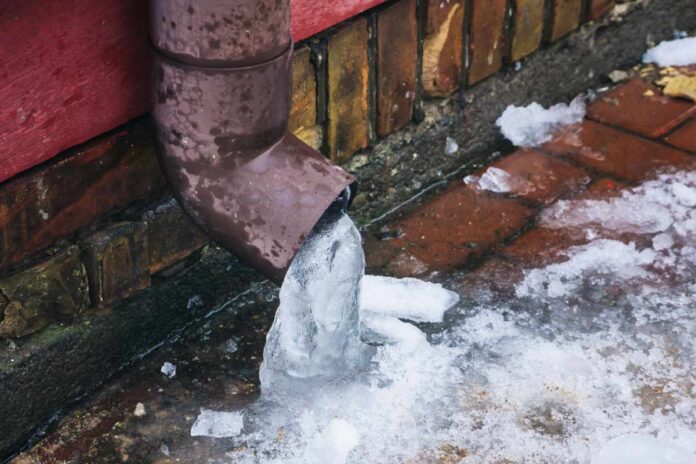
“If you get a freeze warning, and if your pipes freeze over you won’t have any way to get water. If you clean out your bathtub and fill it, you will have an emergency supply on hand. Fill every single container in your apartment so you can have water to drink.”
Meanwhile, Edwards advised everyone to keep all phones and battery packs charged at all times, well before the storm hits, just in case there is a power shortage.
The disaster prevention specialist hinted at needing emergency preparedness for the upcoming 2026 hot months, too: “Summer is going to be an extreme time. Let’s plan and prepare now, because of the climate crisis that is on an upward curve, same as last summer, even hotter.”
Anton Edwards can be reached through afroprepnow.com