Home Blog Page 54

A Community Vibe The Annual Hancock Block Party

0

By Pojanee Fleury
When summertime hits Brooklyn, the streets buzz with excitement, and few events truly embody that vibe quite like the annual block party on Hancock Street, between Stuyvesant Avenue and Lewis Avenue! For the past 18 years, this annual tradition has transformed the bustling Bed-Stuy block into a lively hub of celebration, bringing together neighbors, families, and friends for a day of joy and connection.


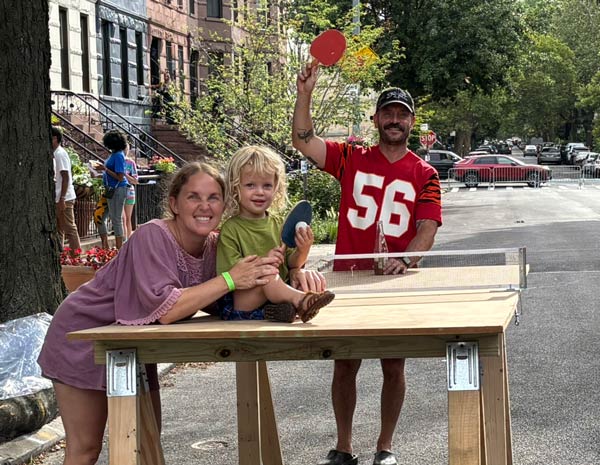
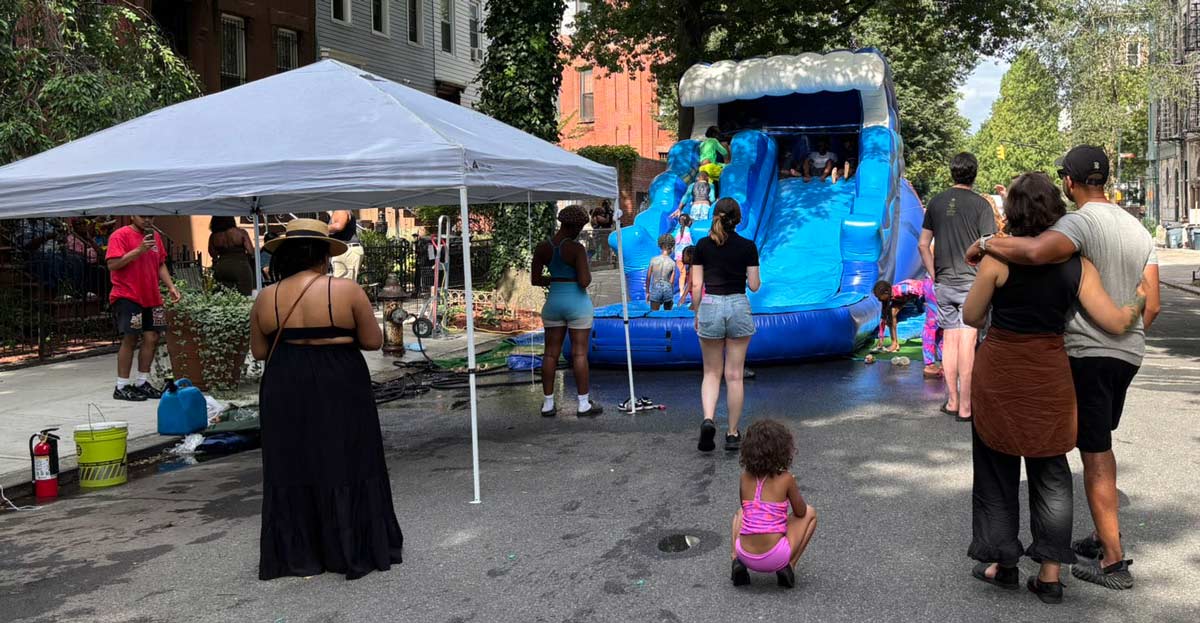
This year, the festivities were in full swing with music by DJ Doug Brown, residents serving delicious food, and children playing games and enjoying a giant inflatable water slide! The joyful vibe was contagious, and everyone joined in dancing and laughing together, all organized by the 500 Hancock Block Association.


These experiences leave a lasting impression on block residents as well as their extended family and friends who also came out to join in on the festivities, building a larger community that extends far beyond the block. Events like these don’t just bring people together for a single day; they are instrumental in creating and maintaining supportive networks that make communities safer, families stronger, and children uplifted. These gatherings remind everyone of the power of unity and shared purpose, creating bonds that can last a lifetime.


A Tradition Worth Celebrating
The annual Hancock Street Block Party has become more than just a fun-filled day; it’s a tradition that fosters a deep sense of belonging and pride in the historic Bed-Stuy community. A 500 Hancock Block Association representative explained, “It’s our biggest event of the year,” indicating that this is an active Block Association bringing residents together throughout the year. “We have block cleanups and plant flowers,” she continued, “we do beautification [projects] on the block flowers, and we’ve entered contests like Brooklyn’s Most Beautiful Block.”


When asked why it is important to have the block year every year the rep replied, “it keeps everyone connected and especially through harder times its really important for people to know who the neighbors are, but even simple things like alternate side parking or if someone is double parked next to you, you know who’s car that is and…you have their number.” This statement highlights the importance of building a strong sense of community within a block. Through events like block parties, activities, and meetings, residents are able to get to know each other and establish these important relationships.


The block party included salsa lessons by a Cuban American resident, free Henna by Henna Motifs, relay races between the adults and children, and, of course, the amazing inflatable water slide was a big hit! The joy on the children’s faces highlighted the importance of block associations coming together to create positive experiences on their block and in their community. These children were not only having fun but were also building happy memories with their neighbors, learning the value of teamwork and togetherness. These moments develop stronger connections to their block and foster a true sense of unity and pride in their community.


The Hancock Block Party stands as a testament to the power of community. Through shared experiences, laughter, and collaboration, residents not only celebrated a day of fun but also strengthened the bonds that unite them. When neighbors come together, they create a stronger, safer, and more vibrant neighborhood that benefits everyone.
A Celebration of Beauty & Community: 400 Bainbridge St Block Party Recap

0

The “Flower Block” on Bainbridge Street, between Howard and Saratoga Avenues, hosted its annual summer fun day on Saturday, July 19, 2025. The event celebrated the vibrant beauty of its plant life while bringing block residents together for a day filled with laughter and connection.

It is a cherished neighborhood tradition that not only celebrates the radiant elegance of its meticulously maintained flowers and greenery, which line the block in a stunning display of color and life, but also the strong sense of community and togetherness that permeates the block.


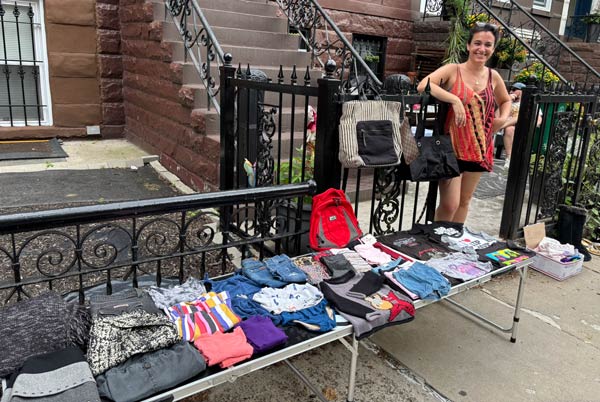
Residents came together to enjoy a day filled with laughter, connection, and community spirit. The event featured activities for all ages, including games for kids and a potluck feast showcasing homemade dishes from neighbors. The street came alive with exciting energy as neighbors, friends, and visitors came together to enjoy the festive atmosphere!


Children laughed and played games in the car-free street, while adults gathered to chat over delicious food and drinks. But the event wasn’t just about having fun—it was about truly building community.

Jane Wright, Co-President of the 400 Bainbridge Street Block Association, shared that when tenants rent on the block, she extends an invitation to join the Block Association. “I want everyone on the block to see themselves as residents and a part of this community, not just a temporary tenant,” she explains.

Wright, a resident of the block for more than 30 years, also shares that the street closure allows residents to take the time to actually see and connect with each other, which is something that is often overlooked in big, busy cities. These connections not only create a sense of belonging and unity but also foster a supportive environment for all individuals within the community.


A Group Effort
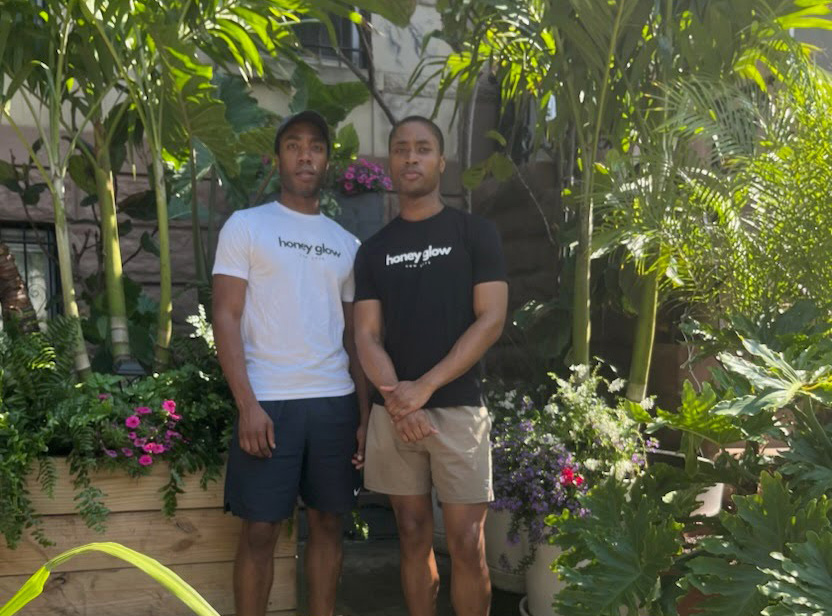
Among the dedicated residents who helped make the event truly special were 400 Bainbridge Street Block Association Co-Presidents Rusty (26) and River Fields (23). As active community leaders and founders of the multi-7-figure beauty and wellness brand Honey Glow, Rusty and River brought their passion, energy, and care to the celebration. They personally pitched in to help set up festivities, creating a warm and festive atmosphere for everyone to enjoy. Their commitment to the neighborhood goes far beyond the block party.

They’ve played a vital role in beautifying Bainbridge, transforming Bainbridge’s once refuse-filled tree pits and sidewalks into lush, green spaces—earning the block its well-deserved nickname: “The Flower Block.”


The famed block has received three Love Your Block Grants as well as a Citizens Committee grant, all supporting the block’s blooming beauty. Their green-thumbed dedication has been recognized, and they have been awarded the title of Greenest Block in Brooklyn four times in the Annual Greenest Block in Brooklyn contest. Bainbridge Street is more than just a place where flowers grow – it is a community that comes together to create something beautiful.


Why Block Parties Matter
Events like the 400 Bainbridge St Block Party are more than just days of fun—they are the heartbeat of a thriving neighborhood. They create spaces for connection, break down barriers, and strengthen the ties that keep communities resilient. Moments like these, where strangers become acquaintances and acquaintances become friends, are vital reminders of the power of community spirit.


Jane also reflected on the tradition of their block parties, noting that the Block Association has been organizing these events on Bainbridge Street since the early 2000s. While she admitted that they may not have always hosted the most lavish block parties, Jane emphasized their commitment to closing the block each year. This tradition ensures there is always a day when residents can come together, and, most importantly, provides a safe space for the children to enjoy their block surrounded by neighbors and friends.


From residents like Saleema who make food for the block association’s events to Shelly and Ross who volunteer to shovel snow for neighbors who are unable to do so, and more- everyone contributes in their own way to create a sense of community. The block association and the commitment of residents serve as a powerful example of what can be achieved when people come together with a common purpose. Here’s to future gatherings on Bainbridge Street because when neighbors unite, every block becomes a home and Our Time Press will be there!

Liberia: Beyond Joseph Boakai Speaking Beautiful English

By Jeffery Kazembe Batts
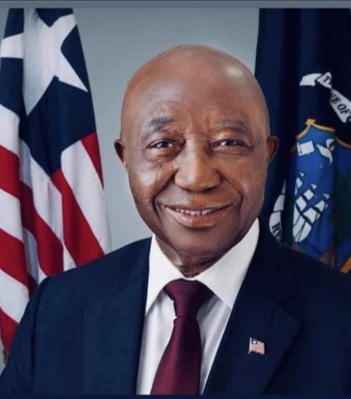
While meeting with five African heads of state recently, President Trump responded to comments made by Liberian President Joseph Boakal by inquiring, “Such beautiful English. Where did you learn to speak so beautifully? Were you educated? Where in Liberia? That’s very interesting”. The question and comment displayed a remarkable level of ignorance or contempt on the part of the 47th American president.

After being founded in 1816 by white Americans to deal with the “problem” of a growing number of free Blacks, starting in the 1820s, the American Colonization Society (ACS) embarked to help free-born African Americans and similarly enslaved African people who attained freedom, to establish settlements on the west coast of the African continent. English has been the official language of the area.


Beyond displaying a lack of knowledge about Liberia, during the first six months of his second term, Trump has initiated policies that harm Africa as a whole. He has cancelled American participation in the Paris Climate Accord. He has cut vital funding for the World Health Organization. Liberia, a small coastal nation, and others depend on these international organizations as partners in their development plans.

We must remember on January 12th 2018, in an Oval Office meeting at the White House during his first term, President Trump is quoted as barking, “Why are we having all these people from shithole countries coming here?” referring to Africa and Haiti. Despite his apparent hostility to Black nations, Liberia’s entanglement with the United States is profound.


The ACS facilitated the creation of the Americo-Liberian ruling elite minority. These colonizing Black people did not interact with but ruled over the indigenous Black Kpelle, Bassa, and Kru ethnic communities.

Using strong support from the fifth American president, James Monroe, Liberia declared its independence from the ACS on July 26, 1847. Like Haiti, the U.S. did not formally recognize this independence until the American Civil War. Besides the hostility from the indigenous peoples, British colonial interests in the West and French colonial interests in the East thwarted Liberia’s geographic expansion.


The following is a brief history of the Liberian presidency. In 1848, Joseph Jenkins Roberts was elected by the Americo-Liberian minority and became the first Liberian president. In 1920 Charles D. B. King was elected president and re-elected in 1927 in a widely considered scandalous election. In 1925, after little support from the American government in the request for loans, President King signed a 99-year lease of 1,000,000 acres of Liberian land to the Firestone Rubber Company.

The land is the same area that Marcus Garvey’s Universal Negro Improvement Association was negotiating to purchase. He was forced to resign in 1930 after a League of Nations inquiry that found slavery and forced labor to be rampant in the country. Liberia’s longest-serving president was William Tubman, who served from 1944 until dying in 1971. He is credited with working to integrate the indigenous population into civic society, promoting African independence, and overseeing modernization efforts. His Vice President, William Tolbert, succeeded him.


On April 12, 1979, Tolbert was killed during a coup led by Master Sergeant Samuel K. Doe, an ethnic Krahn, who became the first non Americo-Liberian to be head of state. Although welcomed in Washington, DC, by President Reagan, Doe led a murderous regime that publicly executed many political rivals. As Malcolm X had famously said about another assassination, “Chickens came home to roost.” Doe himself was overthrown and murdered in September 1990 during the first Liberian Civil War.

Instability, war, and foreign intervention dominated the land for years. With a combination of military force and political maneuvering, Charles Taylor became president in 1997 with three-quarters of the vote. After losing popular support and an onslaught of diplomatic shenanigans, including from the USA, President Taylor resigned and left the country in August 2003. He went into exile in Nigeria, handing authority to Moses Blah.

In 2005, Ellen Johnson Sirleaf, who finished second to Charles Taylor in 1997, was elected. She is the first woman in Africa to be elected president. In 2011, the former Harvard University student and Citibank executive was awarded the Nobel Peace Prize and re-elected. 2018 George Weah, a former FIFA World Player of the Year, was elected president. Losing his re-election bid, he was succeeded by current Liberian President Joseph Boakai.


Under Trump the U.S. has suspended most foreign aid by closing the U.S. Agency for International Development (USAID). According to the Center for Global Development, American support accounts for 2.5% of Liberia’s gross national income, which is the highest percentage in the world.

The suspended aid has negatively impacted the former American de facto colony by curtailing the construction of schools and health clinics, training for teachers & doctors, meals, and support to farmers. With the current Trump policies taking hold, $290 million in aid previously earmarked has not been allocated. Pondering the aid cuts Deputy Finance Minister Dehpue Y Zuo is pessimistic saying “We have to take a dramatic switch to see where we will be cutting funding for other areas.”


Liberia was one of the first recipients of USAID in 1961. Many Liberians celebrate the historic and cultural relationship to America, especially Black Americans. Nonetheless, Liberian people are included in the devastating impact of Donald Trump’s words and actions as he manifests an anti-Black agenda on the domestic and international stage.

Nonetheless, opportunities exist for African Americans to step in and strive to fill the gap in resources needed to help build Liberia and the surrounding nations. After all, the current POTUS has prioritized bringing in white South Africans who are not facing genocide, while at the same time rounding up Black people for incarceration and deportation, and belittling African heads of state when they visit the White House.

Second-Half Adjustments, Pt.2

0

By Eddie Castro


In last week’s column, I discussed what Met fans could potentially expect from the team in the second half of the season and who General Manager David Stearns could be targeting come the trade deadline. It’s only right that we do one for the Yankee fans as well. As we go to press, the Yankees are four games behind the Toronto Blue Jays in the American League East division, and if you watched the first game between the two teams Monday night, the Yankees’ loss had to do with two contributing factors. Pitching and defense.

Those are one of the key upgrades General Manager Brian Cashman has to address if the Yankees plan to make yet another deep playoff run. The team has been decimated with injuries all year long, especially when it comes to pitching. There are many names floating around as to which team the Yankees are able to strike a deal with.


When it comes to upgrades as far as the infield goes, the Yankees are in desperate need of a third baseman. D.J. LeMahieu was simply not getting the job done and simply can’t handle third base at this point in his career. So now you’re left with Oswald Peraza and Jorbit Rivas. Peraza has been inconsistent playing third, and his bat has not shown the potential at the Major League level as it did in Triple-A.

Rivas only has a small sample playing third at the Major League level, but he has had his struggles as well. Obviously, the main name that has been linked to the Yankees is Diamondbacks third baseman Eugenio Suarez. Suarez is having a career year with Arizona and has been hotter than a fox in a forest fire lately, hitting five home runs in the last three games. However, it’s important to point out whether Suarez can put together seasons like this for years to come.

As much as the Bombers need a third baseman, Suarez would not be an upgrade defensively. Cashman should tread softly when it comes to what prospects he’s willing to give up for the 34-year-old Suarez. He will be a free agent after this season, so essentially the Yankees could be looking at just a two-month rental with Suarez. Pittsburgh’s Ke’Bryan Hayes and Colorado’s Ryan McMahon could also be options for the Yankees at third base.


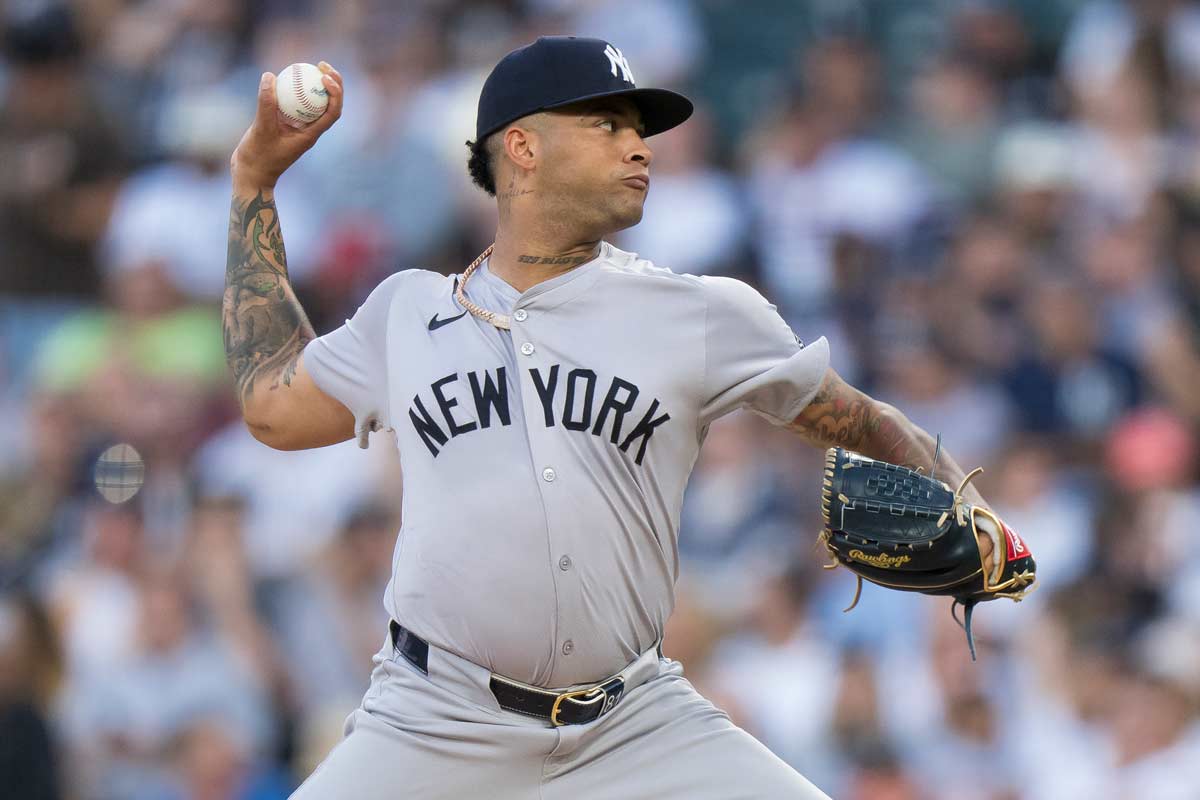
Pitching has also hurt the Yankees all year long, both in the starting rotation and in the bullpen. It’s safe to say Cashman will be shopping for help when it comes to strengthening both. Luis Gil is expected to rejoin the team sometime in August, and if he looks close to what he was for the Yankees before the Injury, it would definitely be considered an upgrade. Don’t expect the Yankees to get a top-tier arm at the deadline, as the starting pitching market is not particularly strong at this point.

The team has been linked to pitchers of the likes of Arizona’s Zac Gallen and Merrill Kelly, Pirates Mitch Keller, and Royals pitcher Seth Lugo. As for bullpen arms, the Yankees are set at closer with Darren Williams and Luke Weaver. However, the team is in need of a few reliable arms that can hold a lead during the game with the ability to turn the ball over to get to a Williams or Weaver in the late innings of a game.

The Yankees would love to acquire a pitcher like the Royals’ Carlos Estevez. With Tim Hill being the lone lefty pitcher in the bullpen for the Yanks, Suarez would be a huge pickup for the team. He, too, is having a career year and in Kansas City, as he currently leads the AL in saves (22). Other options could include the Guardians pitcher Cade Smith, Pirates David Bednar, Nationals Kyle Finnegan, and even free agent pitcher and former Yankee David Robertson. Whatever Cashman decides to do, he must do so in a fast manner.

The Yankees’ offense can only do so much when they actually have hot bats. The inability of Yankees pitchers to hold leads and give up early runs just puts more pressure on the offense to score runs. It should be a very interesting couple of weeks as we see if Cashman can continue to find the right pieces at the trade deadline in hopes of putting together a World Series-contending team.

Sports Notes: (Baseball) The Yankees wrap up a three-game set tonight against the team the are currently chasing in the AL East for first place the Toronto Blue Jays. The Yankees will then head home to begin a three-game set Tomorrow against the Philadelphia Phillies. The Mets begin a six-game West Coast trip tomorrow night as they play Rafael Devers and the San Francisco Giants.

Tune in tonight for an All-New episode of Talk Sports With Eddie Podcast. We’ll dig deeper as far as who the Yankees will potentially acquire at the trade deadline, and also, is the current roster of the Knicks enough to finally end a 25-year NBA Finals drought? All that and more tonight at 5:00PM EST on the Our Time Press YouTube channel.

Undocumented Immigrants Ineligible for Federal Services Under the Trump Administration

By Mary Alice Miller
Once upon a time the phrase “promote the general welfare” in the Preamble of the U.S. Constitution meant something. But in this second term of the Trump administration, it seems the general welfare of the ultra-wealthy takes precedent.


On July 10, the U.S. Department of Health and Human Services Banned illegal aliens from accessing taxpayer-funded services. The directive stems from a February 19 executive order that Trump signed “to ensure taxpayer resources are not used to incentivize or support illegal immigration.”


“For too long, the government has diverted hardworking Americans’ tax dollars to incentivize illegal immigration,” said HHS Secretary Robert F. Kennedy, Jr. “Today’s action changes that—it restores integrity to federal social programs, enforces the rule of law, and protects vital resources for the American people.”


On that same day, the U.S. Department of Education announced it will “end taxpayer subsidization of illegal aliens in career, technical, and adult education programs.” Postsecondary education programs such as Pell Grants and student loans “will continue to be inaccessible to illegal immigrants.”


“Postsecondary education programs funded by the federal government should benefit American citizens, not illegal aliens,” said U.S. Secretary of Education Linda McMahon. “The Department will ensure that taxpayer funds are reserved for citizens and individuals who have entered our country through legal means who meet federal eligibility criteria.”


HHS has listed Head Start is among the programs classified as “federal public benefits”. Others include Community Behavioral Health Clinics, Mental Health Services, Health Center Program, Health Workforce Programs not otherwise previously covered (including grants, loans, scholarships, payments, and loan repayments), Substance Use Disorder Treatment, Prevention, and Recovery Support Services, Assistance in Transition from Homelessness Grant Program, Educational and Training Voucher Program, Kinship Guardianship Assistance Program, and Title X Family Planning Program.


The new policy will take effect immediately.
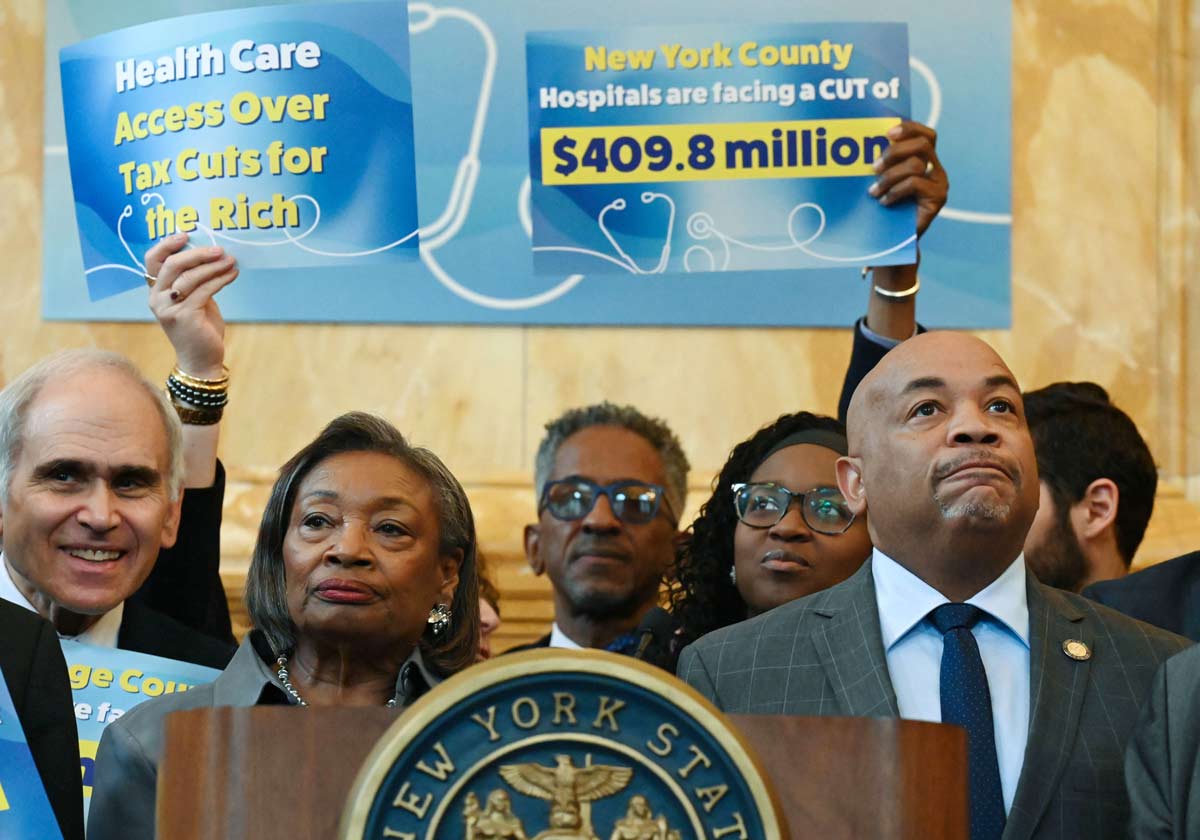
These directives added to the cuts to Medicaid, hospitals and SNAP under the “One Big Beautiful Bill” signed by Trump on July 4 will place a great strain on states that must balance their budgets while providing health and education services to residents.


“I’ve been very clear: no state can fully undo the damage in this bill or backfill cuts of this scale,” Governor Hochul said. “I’m working with the Legislature to brace for the impact and protect as many New Yorkers as possible because your family is my fight. I will never turn my back on New Yorkers or the values that we share.”


According to a statement from Hochul, “The changes will eliminate insurance coverage for millions of New Yorkers, destabilize health insurance programs statewide, and have an overall fiscal impact on the State and the New York health care system of almost $13 billion per year. These changes will make it harder for providers statewide to keep operating, making it more difficult for all New Yorkers to find care when they need it.”


“By passing this bill, House Republicans have rubber-stamped Donald Trump’s cruel and dangerous agenda, one that rips Medicaid away from 1.5 million New Yorkers, slashes $13 billion from our healthcare system, and raises costs for working families,” said State Senate Majority Leader Andrea Stewart-Cousins.

“As we continue to assess the full scope of these devastating cuts, it’s clear that the damage will leave our state deeply vulnerable. All of the progress we’ve made is under threat. No state can fully fill the hole this bill has blown open but we are committed to doing everything in our power to protect New Yorkers and keep our communities thriving.”


“This bill will devastate the lives of countless families across our state, especially our most vulnerable neighbors. By cutting vital programs like SNAP and Medicaid, the administration has indicated that they care more about the pockets of their billionaire friends than they do about the families, children and people with disabilities that rely on this funding to survive day to day,” said Assembly Speaker Carl E. Heastie.

“I am truly disgusted by the public servants – especially New York’s seven Republican members of Congress – who voted for this and continue to lie about the impact this will have on their communities. They should be honest about the fact that they stood by their billionaire donors at a cost of their neighbors’ access to food, healthcare and essential services.”


“The cuts in this bill represent real harm to real people,” said State Senator Roxanne J. Persaud. “Cutting essential programs like Medicaid and SNAP will hurt vulnerable individuals and families, increase hunger, and destabilize our health care system.

These changes not only put over a million New Yorkers at risk of losing health coverage, but they also shift unsustainable costs to our state and local governments. This is a direct attack on the most underserved members in our communities, and it will leave our families, hospitals, and small businesses struggling.”


“The Trump administration is choosing to strip vulnerable children of the tools they need to succeed. For decades, programs like Head Start have improved the well-being of low-income families by preparing children for school by addressing their cognitive, social-emotional, and physical development.

Now, the Trump administration is cruelly targeting undocumented children by barring them from this critical lifeline–an escalation of its anti-immigrant agenda.” said Murad Awawdeh, President and CEO, New York Immigration Coalition.


“All children, regardless of immigration status, deserve our care–because they are children,” Awawdeh added. “When the government denies access to education, safety, and care to the next generation, it doesn’t just harm those children; it harms the health of our communities. We demand that the Trump Administration immediately reverse this inhumane policy and protect every child’s right to learn, grow, and build a better future for themselves.”