Home Blog Page 2

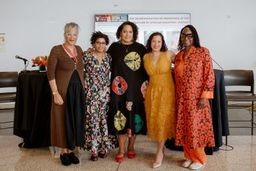
“Sister, Who Do You Think You Are?” – A Salute to Sisters Helping Sisters

Master Fiber Artist Juliette Colpa-Thomas Designed an Inner Sanctum — Step by Step/Stitch by Stitch

by Juliette Colpa-Thomas
I am a fiber artist who began crocheting at the age of 12.
While waiting for my mom during piano lessons, my teacher, Mrs. Ratz, introduced me to a ball of yarn and a crochet needle, showing me a simple crochet stitch. I was mesmerized.


That first stitch grew into my first scarf, and a spark was lit! I bought yarn at Woolworths, and when that store closed, I dove deeper into the crochet world—attending fiber events, meeting master crocheters, discovering new shops, and learning about different yarns.


As time passed, I learned to read patterns, which opened a whole new world. But I didn’t stop there—I wanted to make it uniquely mine. Once I mastered patterns, I began to play—asking, “What if I shifted this stitch, or tweaked it here or there? Change this and that?”
Each experiment let me pour imagination into every piece, claiming my creativity. In that freedom, I found my voice—a designer of my tiny world, built stitch by stitch.


Crochet became my sanctuary—a calming ritual where a single thread transformed into something extraordinary. At church I was part of the crochet/knitting ministry; we were charged to make 50 hats each for homeless children. And when I made 50 hats for children in need, I wove not just items, but community, hope, and identity. Seeing their faces light up was priceless.


The steady rhythm of crocheting soothes me, helps me slow down, focus, and find peace. It has taught me patience, creativity, and the value of slowing down – reminding me that beauty takes time, and that’s what makes it worth it.


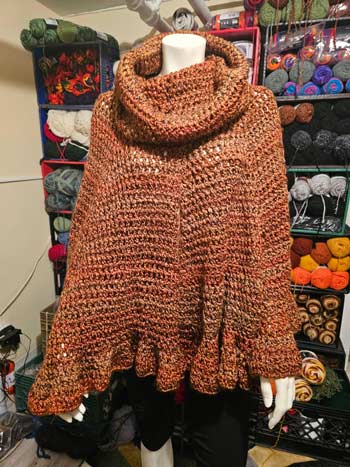
I crocheted so much that George, my husband, swore we were about to be smothered under crocheted items and yarn! Lots and lots of yarn! He told me, ‘Sell some, or we’ll be living in a yarn cave!’ So, I roped in my friend Robin—jewelry queen—and we hit a Brooklyn fair. I sold my first piece and felt like a rockstar.


Soon, I had my own tent—complete with a mannequin that probably felt overworked—and off I went, turning my crochet chaos into a standing-room-only spectacle!”


“I am Juliette Colpa-Thomas, a Crochet Fiber Artist specializing in hip and eclectic outerwear. I have a studio in my home where I design and create fabulous wearable art.”

J. Colpa-Thomas is Founder-Owner, Crochet Designs by Juliet (Instagram)

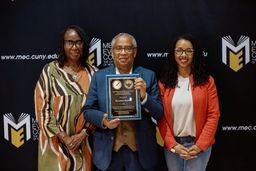
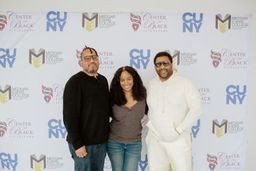
The Center for Black Literature Hosts the 18th National Black Writers Conference at Medgar Evers College, CUNY

0

Dr. Brenda M. Greene
Prof. Donna Hill

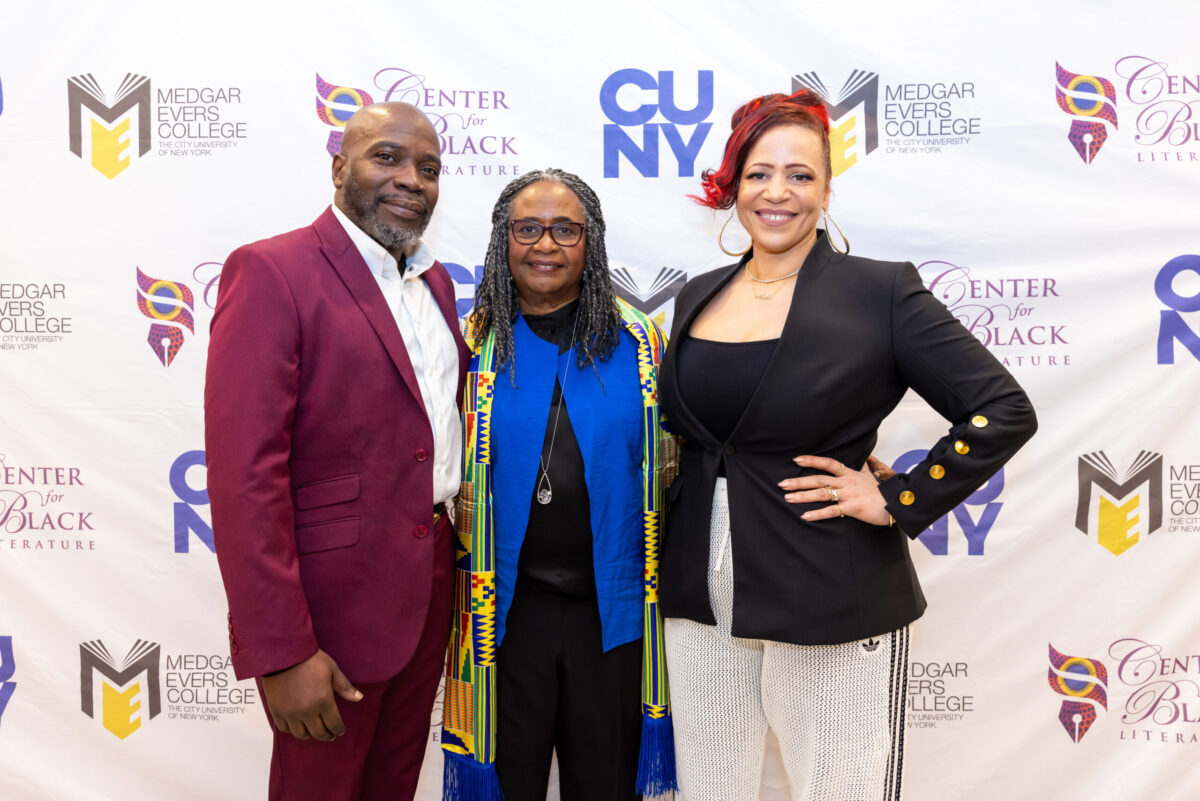
The Center for Black Literature hosted the 18th National Black Writers Conference, a community gathering with the dual purpose of expanding Black literature while opening a dialogue around the layers of environmental justice and its impact on Black and Brown people throughout the African Diaspora.


Opening night began with our keynote speakers, Pulitzer Prize winner Nikole Hannah- Jones (1619 Project) and award-winning journalist Michael Harriot (Black AF History: The Un-whitewashed Story of America). Roundtable panels challenged the audience to conceive of a different world where we, of African descent, re-embrace, reclaim the land, our bodies, our economics, our spirits, and most importantly, identify the paths that we must traverse to reimagine our future.


The Conference was not only a convergence of ideas but an intergenerational assemblage that began with cultivating the next generation of thought leaders, our young readers and writers from our Re-Envisioning our Lives Through Literature program, (ROLL). The Scholarly Panels called on the academic community to tackle topics such as: Environmental Racism, Ecological Displacement, Digital Surveillance, the Black Arts Movement, and Reggae Music Against Ecological Ruin. For the first time, the Conference hosted a panel of Medgar Evers College students who answered the question, How Does Popular Culture Influence Social Thought, Interaction and Activism. On the other side of the generational spectrum, we honored our Elders during th Dr. Edith Rock Workshop for Elder Writers, where these amazing griots shared their writing and memories that made us laugh, remember. and sometimes shed a tear.


Poets have always had a special place in our hearts, and the Poetry Café that featured a cross-section of local poets did not disappoint.
The centerpiece of the Conference was the six roundtable-conversations that were led by moderators: Dr. Uche Blackstock, Ijeoma Oluo, Sabrina Schmidt Gordon, Trymaine Lee, and Abby West. Panelists Nana Ekua-Brew Hammond and Desiree Cooper gave us insight into paths to resilience. Regina Mahone, Renee Bracey Sherman, and Jennifer L. Morgan excavated the impact of legislation and racism on the female body. Andre Brock and Attika J. Torrence broke down how technology and the media influence literature.

Cebo Campbell, Chelsea Frazier, and Natalie Braszile gave us food for thought on the growing movement of returning to the earth for sustenance. And Dr. Ayo Sekai, Clarence A. Haynes, and Dolen Perkins-Valdez identified the ways that Black writers and readers have developed multiple avenues for publishing and ensuring that their stories and voices will not be silenced.


The conference’s closing program and Awards paid homage to Camille Dungy, Dr. Imani Perry, and Kassahun Checole, literary figures whose work exemplifies the mission and vision of the Center for Black Literature and gives voice to the community at large.


Reflections on the 18th National
Black Writers Conference

Dr. Brenda M. Greene, Founder and Executive Director Emerita, Center for Black Literature
“Our Keynote speakers, Nikole Hannah-Jones and Michael Harriot are powerful journalists, historians, and storytellers whose work has impacted the way we teach the history of America. Their groundbreaking scholarship provides a counternarrative to our history, what our Nobel Laureate Toni Morrison would call a Black gaze from which to view the story of America.

It is particularly significant that we listen to this discussion at this time in our history, the semi-centennial of the “founding” of this nation, a celebration that will take place in July 2026 while our President in an attempt to mythologize our history, installs a statue of Christopher Columbus on White House grounds and reinstalls statues of Confederate soldiers.”


Nikole Hannah- Jones,
Keynote Speaker

“Environmental justice means allowing people to have the ability to be repaired for the years of damage that’s been caused. We know that Black folks, indigenous people, and poor people who are non-black and indigenous have “worn” an unfair proportion of environmental toxins, the destruction of land and greenery and are least likely to live around parks and green space.”
Michael Harriot, Keynote Speaker
“When you look at the mythology and the marketing scheme that America’s myth is based on, it contradicts the things that America actually did. It does not acknowledge the harm and the reality of how you’ve treated some people and how you’ve prioritized the humanity of white people over everyone else.”


Attika J. Torrence,
Conference Speaker & Writer

“I think the conference is amazing. Nikole Hannah-Jones said that any change that would be made must be made by another generation, a younger generation. So it’s incumbent upon us to get the youth here. And I know that’s a challenge because getting youth to sit down and enjoy things that adults/elders enjoy is a challenge. We need to arm our youth with the tools that they need to go into this world. I’m happy that it’s here at Medgar Evers College. The symbolism doesn’t miss me, you know. Anytime we can, especially in today’s age, create some form of utopian convocation of Blackness, I’m down.


Aminata Gunata, Conference Attendee
I’m very grateful to be able to be here today because Nicole Hannah-Jones, especially, is someone that I look up to. As someone who has studied Black History and Journalism and because of the time that we’re living in, hearing these kinds of thought leaders and intellectuals gave me solace, some comfort, and a sense of hope.


Deborah Barton,
Conference Attendee

I heard a lot of things that resonated, especially the teaching of our children, which is so important. We don’t tell our children the real history. So I’m getting The 1619 Project because I want to share that with my class.
Dr. Brenda M. Greene is Professor Emerita and Founder and Executive Director Emerita of the Center for Black Literature at Medgar Evers College, CUNY.


Prof. Donna Hill is Associate Professor and Executive Director of the Center for Black Literature Executive Director of the Center for Black Literature at Medgar Evers College.

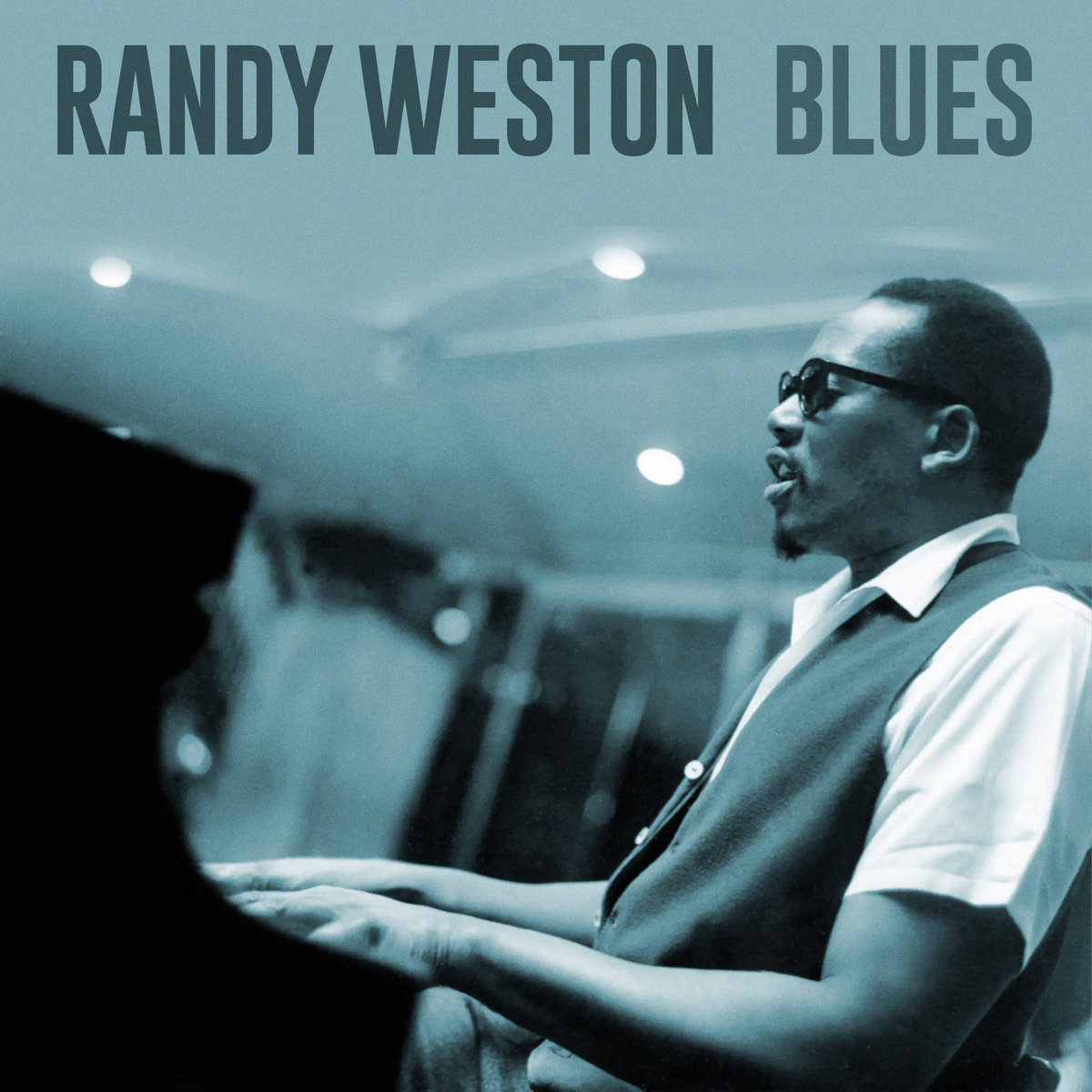
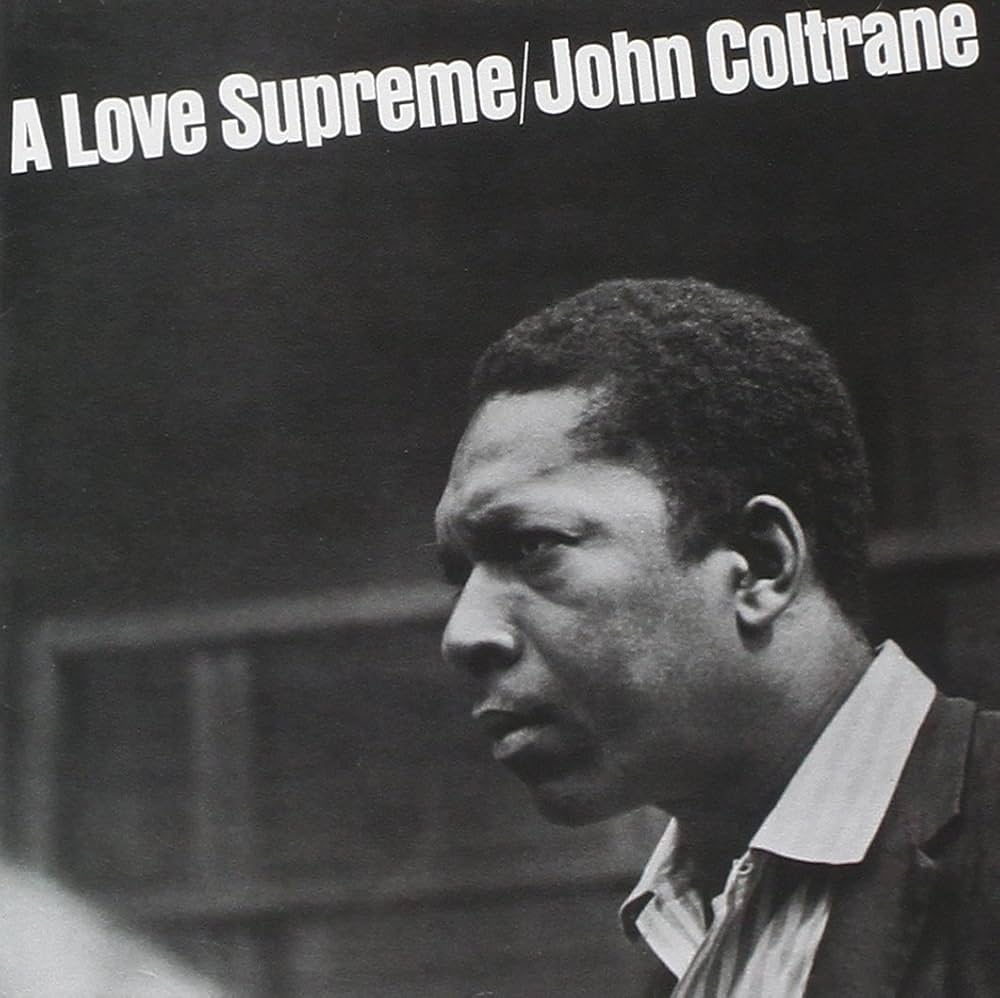
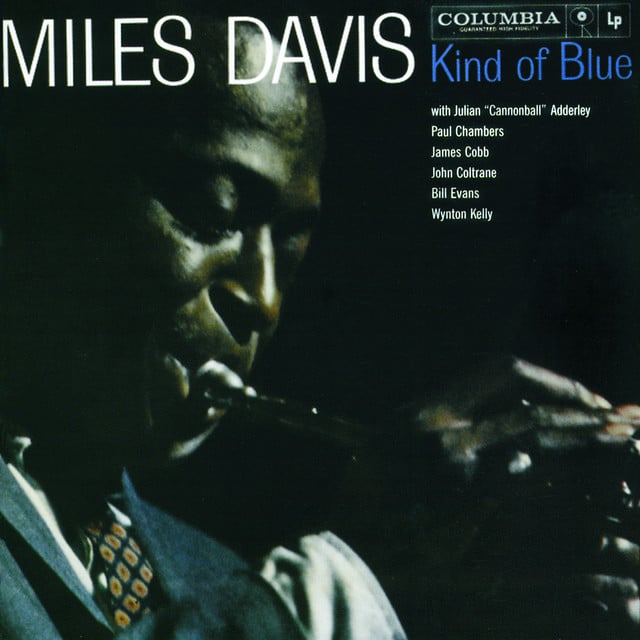
Key Notes on Weston, Coltrane, Miles, Melba and other Jazz Centennials…

“In 1926, as the Harlem Renaissance surged and the music was transforming American culture, a generation of musicians who would lead jazz into its next golden age was born.”
Earlier this year, WBGO’s Sarah Geledia, and other media announced the centennials of eight legendary jazz greats born that pivotal year when the 20’s roared: Miles Davis, John Coltrane, Melba Liston, Tony Bennett, Melba Liston, Ray Brown, Lou Donaldson, Jimmy Heath and our friend, Randy Weston (1926 – 2020).
Phenomenal musicians, but there were many more, and Randy would not want us to leave out others perhaps, lesser known, who shared his birth year. So, we’ve added the following to our mini-memorial tribute:
Jimmy Woode, bassist; Lou Bennett, organist; Kimmy Milton Cleveland, trombonist; Oscar Brown, singer; Don Elliott; trumpeter; Billy Mitchell, saxophonist; Jimmy “Jammin” Smith, trumpeter, and so many more.
Our Time Press joins Sistas’ Place; the alumni audiences of Jazz966; and all the clubs, after-hours haunts and joints of Harlem and Central Brooklyn in celebrating the 100th year anniversaries of the births of these class acts
We do have a story about one, our friend Randy Weston, published in this paper during winter 2018. He came to visit us at home, and his spirit has been hanging around ever since. Here’s the Revised Reprint of just one of several Our Time Press stories on the unforgettable Mr. Weston, friend and neighbor.

AT HOME on Cambridge Place with Randy Weston and Friends,
Revised Reprint Our Time Press 2016 story

Randy was one of the geniuses you loved to hang out with it in the neighborhood, So one icy cold December when Chef Pierre Thiam and I ran into Randy outside his Lafayette home, we offered to host a small gathering to celebrate this new CD. Hi response was immediate: “Sure, how about next weekend?”


Our Time Press and Legacy Ventures founders collaborated with Pierre, in a quick and opened the doors on December 29, 2013 to 40 musicians and friends, including Sam and Doris Pinn of 966Jazz and musicians from around the world.


The idea was to promote within our community of one of the greatest musicians who ever lived via, “A Conversation with Randy Weston and Billy Harper” (in celebration of the new Weston/Harper album, “The Roots of the Blues”. We thought that pulling this off in just five days would be the highlight of a routine Christmas. We thought wrong. In fact, to put it in terms of a music movement, that Sunday afternoon was the sweetest of suites!


We decorated the house with Sunnyside Recording posters of Randy, donated by Weston.
The first guests to arrive were gifts, unto themselves, including percussionist Candido de Guerra Camero (“Candido”), then 92, and Billy Harper, arguably the greatest sax player to ever come out of Houston.

On time at 4:00pm. Other music luminaries flowed in, one after the other, to the beat and the sweep of African Rhythms. We were too awed out to even think about what had been accomplished in so short a time. Randy, Billy and Randy’s wife, the gracious Fatoumata, put out the clarion call, sans social media backup, and his closeknit superstar musicians — impresarios and fans — showed up.


Dexter Gordon’s wife assisted Thiam and Romare Bearden’s daughter washed dishes, while Salif Cisse, the originator of the New York City’s African food movement with his much-missed Keur N Deye restaurant, served homemade appetizers. Sistas Place founders Viola Plummer and Collette Pean came by. Writers, photographers, community leaders and activists were there. Bedford Stuyvesant’s own master drummer Neil Clarke of Decatur Street was among those who braved the sheets of rain and blustery winds to attend.


Seated in front of a tall oak mantle, the musicians orchestrated the afternoon, hitting perfect notes with stories about their lives and their love for the music, fielding questions and pitching their own. Mr. Weston returned often to his roots — his father, his mother, the training he received, and the home his parents purchased in 1946 on Lafayette Avenue, and so it was fitting that great food was cooking, too, in the kitchen. The appetizers prepared by chef Pierre Thiam were superb. And he was greeted with a round of applause when he emerged from the kitchen.


Randy was beaming, holding court in a big chair by the fireplace and surveying the fertile landscape of great minds, talents and hearts. He rose and went up to greet each person and made his appreciation known to the kitchen crew. It was palpable just how much he was valued, and he was nourished by it.


The music masters talked about classical blues, traversing the world from Brooklyn and Houston to Africa and back.
Gnawan musicians, introduced by Mr. Weston, performed sensational music cross-legged on the floor. Their music with the soft so melded with the soft sounds of The Roots of the Blues CD in the background.

It was more than a memorable experience. It was like opening the door to all the music, all the rhythms that ever existed, the classics of the Cultures – echoing from the past to the present, with into the future. It was like being in the presence of all the musicians of the Diaspora that ever existed.


When Candido, the great Cuban-born percussionist– one of the first to use congas in jazz music—walked through that basement gate, we were opening the door to . Everyone the master percussionist had ever performed with: Dizzy Gillespie, Stan Kenton, Billy Taylor, Babatunde Olatunji, Machito, Gene Ammons and so many more with whom Condado walked when they lived, entered through that gate, with him. I was reminded that the Sunday celebration marked the 40th Anniversary year of Candido performing with Weston on the album Tanjah. The two musicians and great friends first recorded together on Randy’s 1960 groundbreaking Uhuru Afrika classic album.


The soundtrack of The Roots of the Blues played throughout the afternoon and the conversations conjured the spirits of Billie Holiday and Mahalia Jackson, Randy would say afterwards – the only two women vocalists who ever brought him to tears, he said. Guests communed in the presence of the likes of the late scholar and jazz aficionado William Mackey as well as the hosts’ own ancestors — with images, notes, diaries, journals, mementos scattered in corners of the parlor, on the piano and in “Pierre’s kitchen.”


Only thing missing were the children, peeking from the bannisters, in awe of grown people grooving and the presence of something colorful, great and grand, something for them to talk about. And pass on. But author Carol Friedman, Randy and Fatoumata’s friend and a jazz afficionado, remembered, leaving on the piano two books from her Nicky the Jazz Cat series.
From beginning to end, it was four magical hi-flying hours,


(Note to readers: Born April 6, 1926, Randolph Edward “Randy” Weston of Bedford-Stuyvesant passed on September 1, 2018. Musicians will gather tonight at Jazz at Lincoln Center to honor him through their performances.)

The Bishop Gallery Brings Basquiat Home to the Broadway Triangle

By Enoch Naklen
Multimedia Journalist

Standing at the intersection of Williamsburg, Bushwick, and Bed-Stuy, the Bishop Gallery sits in the geographic ‘Broadway Triangle’. It is a place where a single block offers the sight of Jewish families picking up their children from local yeshivot, situated across the street from Spanish signages, and just around the corner from graffiti-littered apartment complexes at the forefront of one of the oldest Black communities in America.

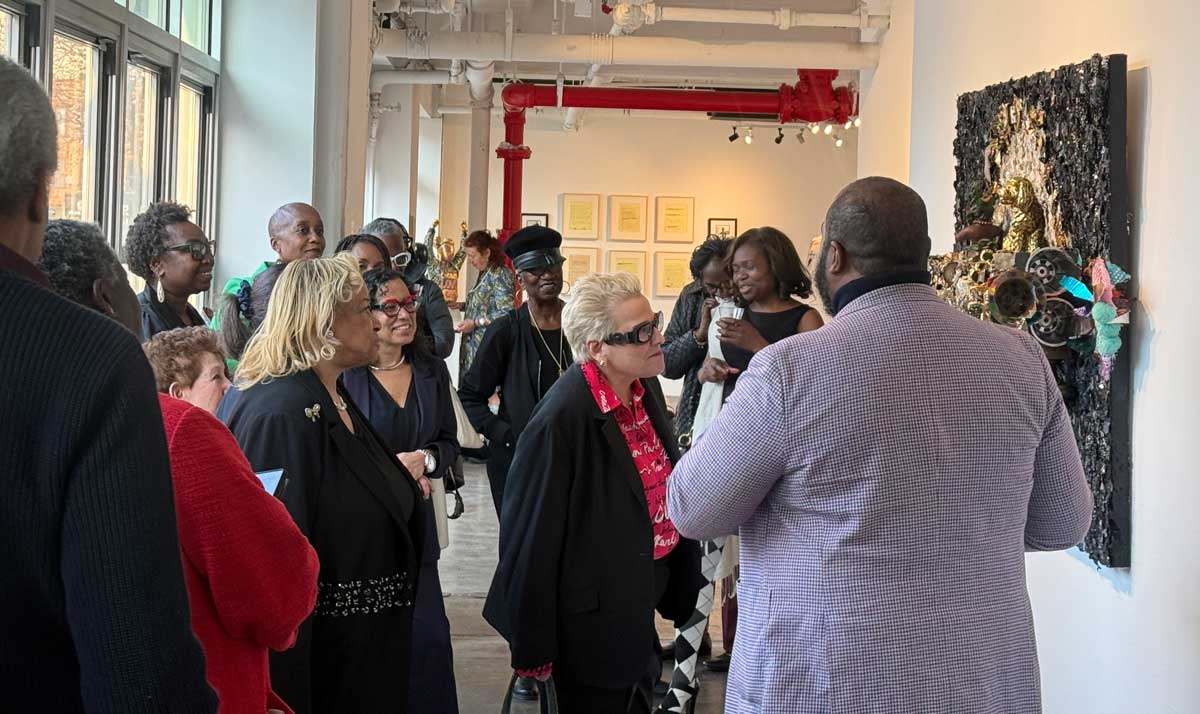
On a recent evening, this intersection served as the backdrop for an “ultra-VVIP” private screening, where a diverse audience of longtime New York residents and community luminaries gathered for a first glimpse of the revitalized exhibition, “Our Friend, Jean.”


Guests moved through the expansive, light-filled space balancing wine and finger snacks while overlooking more than 20 artworks, including drawings, writings, apparel, mixed media collages, and ephemera. These pieces represent the earliest works of Jean-Michel Basquiat, on loan from a circle of collectors who knew him intimately as friends, collaborators, and lovers.

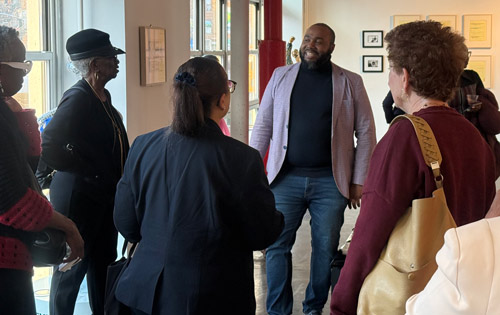
The guided tour was led by co-founder Stevenson Dunn Jr., with fellow co-founder Erwin John also in attendance, both men having spent nearly two decades building a sanctuary for high art within the heart of their own neighborhood.


The evening also served as a moment of communal recognition. Among the attendees was a group of Black women judges invited to the gallery in honor of Women’s History Month. The delegation was led by Judge Robin Sheares, who coordinated the visit for her colleagues and their guests. Stevenson noted that the timing was intentional. While the event was open to all judges, the decision to host this specific group during March highlighted a shared commitment to leadership and legacy.


“The significance is bringing world-class artists to our community,” Stevenson told Our Time Press during the tour. He spoke on the paradox of the “export” of culture, a narrative that still persists today. Despite coming from a more privileged background, Basquiat opted to adopt a life that reflected the raw reality of the artists around him, a decision that led to the birth of cultural staples like SAMO.

Created alongside Al Diaz, who served as one of the key collectors that helped make this exhibition possible, Basquiat inscribed the streets of Manhattan with enigmatic social commentary that eventually moved from the concrete of the sidewalk to the canvas of the elite.

“Distance and proximity are not the same thing,” Stevenson explained. “You can feel really close physically, but so distinct from a place. One of the real things about accessibility is having your own spaces to go into.”


The tour was anchored by the presence of Alexis Adler, a key collector and co-curator whose history with Basquiat predates the hundred-million-dollar auction records. Speaking to the crowd during the walk-through, she shared a defining memory of the first time she and Jean met outside a bar.

After Jean stepped in to help an erratic man carrying a broken glass bottle, a precedent of care was set that led to her documenting his life through her lens. Her presence underscored the exhibition’s title; these are not merely artifacts, but the preserved memories of a friend.


The “Our Friend, Jean” exhibition originally debuted at the Bishop Gallery in 2019 before embarking on a historic six-city tour of Historically Black Colleges and Universities (HBCUs), including Howard, Hampton, and Clark Atlanta.

This journey was an intentional effort to address the fact that while many HBCUs have only recently begun formal collections, their students and history are often cited in major museums only as a “courtesy” mention. By bringing the physical work to these campuses, the gallery ensured that the art remained a living resource for research and study within the institutions that mirror the communities Basquiat frequented.


Embedded in this mission is a deep understanding of the systemic elitism of the art world. “The arts can be kind of snobby. They’re talking in this fancy tone,” Erwin John told Our Time Press. He observed that art collection is often viewed as a prestigious pastime reserved for a select few, creating a barrier for underrepresented groups.

As art made within these neighborhoods accrues interest and capital, it rarely stays where it was birthed, fueling a cycle where the creators are separated from their own contributions. Erwin’s mission is a form of strategic infiltration. “Instead of criticizing it, let’s just do it ourselves,” he said, reflecting on his time at Howard University where he first caught the “entrepreneurial bug.” By positioning the gallery here, the founders are challenging the capitalistic feel of the industry to give back to the community that serves as its greatest inspiration.


As guests moved through the room, they found that the front half of the gallery—the space you first interact with upon entering—is dedicated to the group exhibition, “Reminder: The Children Are Our Future.” This expansive show, which has been live since late last year, features a powerful roster of artists from six different continents.

The space was intentionally designed to be a vessel for all sides of the imagination; while some works occupy the walls in traditional 2D formats, others exist as mixed media and sculptures that require a physical presence to be fully understood.

The pairing makes sense within the broader Bishop ethos, using the universal innocence of childhood to bridge the gaps in a hyper-polarized world. For Stevenson and Erwin, the gallery remains a “mutual lifeline,” a place where the art finally belongs to the people who inspired it.
The Bishop Gallery is located at 630 Flushing Avenue in Brooklyn. The gallery is open by appointment Monday through Friday and is open to the public on Saturdays from 12 to 6pm.

Ghana Steps Forward While Moving Sideways

By Kazembe Batts
IG: @kazbatts

Ghanian President John Dramini Mahama visited the United States last week. While in NYC he continued his countries vanguard role in encouraging Pan-Africanism and its current leadership in fighting for reparations for African people. He validated the long-time organizing of pan-Africanist by endorsing a historic anti-slavery resolution.

Also on that same recent March 24th Day, Ghana signed a new Security and Defense Partnership with the European Union marks a major strategic shift, making Ghana the first African country to enter this framework.


The “Declaration of the Trafficking od Enslaved Africans and Racialized Chattel Enslavement of Africans as the Gravest Crime Against Humanity” General Assembly resolution (A/80/L.48), led by President Mahama, was front and center last week on the East Side of Manhattan.

Veteran NYC based, human rights leaders Prof. James Smalls, Queen Mother Deloris Blakely, Dr. Ron Daniels, and others were among the attendees who witnessed and were acknowledged by presenter Rev. Al Sharpton when he shared an African American perspective during the March 24th “anti-slavery reparations resolution” hearings inside the United Nations Headquarters.

President Mahama stated “We come together in solemn solidarity to affirm truth and pursue a root to healing and reparative justice. The adoption of this resolution serves as a safeguard against forgetting.”


The formal resolution passed by most of the world, including 123 countries, recognizes the transatlantic trafficking and chattel enslavement of Africans as “the gravest crime against humanity.” It calls for reparatory justice. Described as: 1) Full and formal apologies, 2) Restitution of stolen cultural artifacts, 3) Compensation and rehabilitation, 4) Structural reforms to address systemic racism, 5) Guarantees of non repetition and emphasizes the enduring global inequalities rooted in slavery’s legacy. Only three countries, the United States, Argentina and Israel voted “No” on the resolution.

The USA’s formal position is “to reject the notion that modern-day nations should pay compensation for historical actions that were not illegal under international law when they occurred. Does the United Nations have the capacity to implement the resolution? Historically, due to the structure of the Security Council, where five-member non-African nations possess veto authority, the implementation of African priorities and commitments has remained unfulfilled. Will the resolution be purely a symbolic victory?


Meanwhile, although not prominently mentioned in the American news media, an understanding that could immediately effect Africa was codified. On the very same day the anti-slavery resolution was debated Ghana signed a defense treaty with the European Union. The new Security and Defense Partnership with the European Union marks a major strategic shift.

The West African state becomes the first African nation to join the EU’s global security partnership network, which includes the UK, Canada, Norway and Japan.

The agreement deepens cooperation on counter terrorism, cybersecurity, maritime security, and crisis response. The United States is known to have military assets stationed throughout Africa, including Ghana.


Some see Ghana’s leaning on “the West” for assistance as a practical necessity to maintain security of the state. Others, acknowledging history and current global geopolitical situation, see the agreement as entrenching a neo-colonial relationship between Africa and Europe that runs counter to true independence and sovereignty.

A step back from the promise of Ghana’s founding President Kwame Nkrumah’s vision. Ghana borders Burkina Faso, one of the three nations that make up the Alliance of Sahel States (AES).

Ghana is a member of the Economic Community of West African States (ECOWAS) which threatened to start a war with the AES after the AES withdrew from ECOWAS on January 29, 2025. The three West African allied states foreign relations have gone the opposite way with the expulsion of European military forces, especially France. This has inspired African people, especially youth, worldwide.


Initiating and moving within the global stage are responsibilities of African national leaders. Can words, meetings, and resolutions lead to a better quality of life for the masses of people. Are demanding reparations and resources as compensation for undeniable historic racial oppression, then agreeing to allow the outgrowth of that historic racial oppression to have a major say in how your nation maintains security a compatible strategy? Maybe or maybe not.

For sure, Black people need reparations and security to build a better future society. Can global Black leadership be strategic and get what we need? Are African leaders confronting the right issues and moving the masses of people forward? Demanding choices and hard decisions are needed in these fast-changing times.