
By Peter M. Williams
NABJ Black News & Views
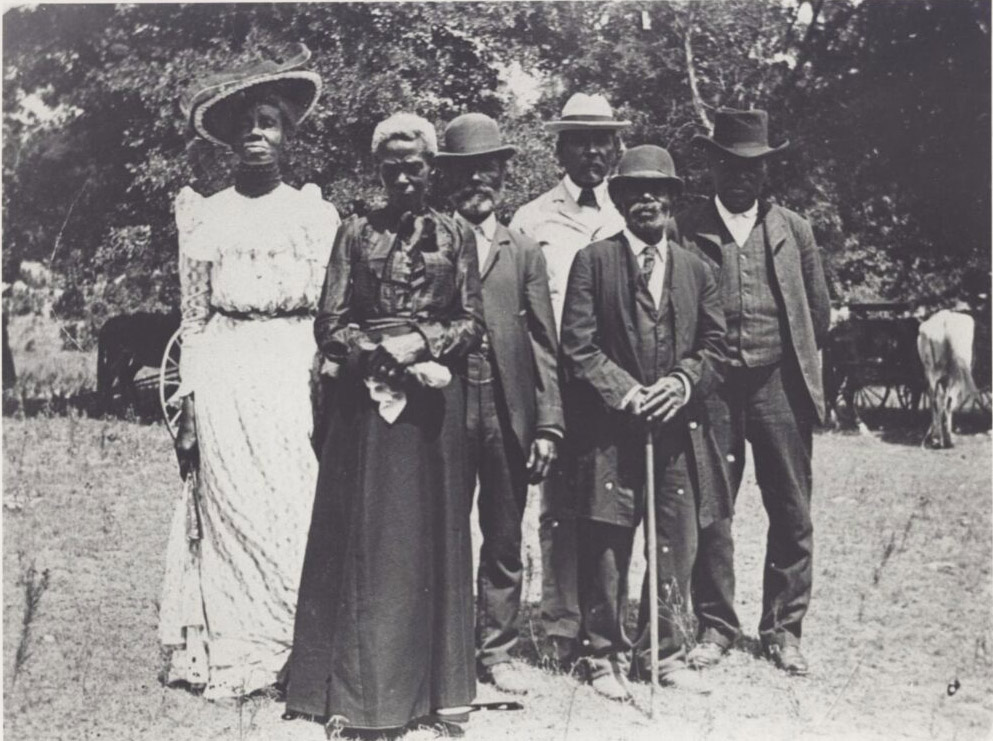
As we come upon the second celebration of Juneteenth as a national holiday, I question why this year’s legislation passed a politically polarized Congress. As a Black American, I am happy to celebrate Juneteenth, which observes the final, formal end of slavery. But I am suspicious of the reasons why it became a federal holiday with overwhelming bipartisan support.
The June 16, 2021, passage of the legislation establishing Juneteenth as a federal holiday reminds me of the Compromise of 1877, which was an unwritten deal that settled a dispute over the winner of the 1876 U.S. presidential election.
Through it, Republican Rutherford B. Hayes was awarded the White House on the understanding that he would remove federal troops from South Carolina, Florida, and Louisiana. This move effectively ended the Reconstruction era and killed Southern Democrats’ promises to empower Black Americans politically. It symbolized a betrayal to Black Americans.
In 2021, upon the passage of the Juneteenth legislation, Republicans wanted to demonstrate that they were not anti-Black. The Juneteenth bill passed unanimously in the Senate and 414-21 in the House. This bill was one of the
few bipartisan measures related to Black people and civil rights in recent years to pass the Congress.
I wondered if the enactment of the Juneteenth measure was a strategy by Republicans to support non-contemporary legislative measures that do not provide any real political empowerment — giving them something to ease their collective racial conscience.
This idea that Republicans are strategically voting for non-contemporary legislation tied to history over measures that provide concrete, modern-day political empowerment or civil rights became more evident to me with Republican’s overwhelming support of the Emmett Till Antilynching Act, signed by President Biden in March. The measure recognizes lynching as a hate crime. It passed the House 422-3 and passed unanimously in the Senate. This was a departure from history.
For about the past 100 years, members of Congress have tried to pass antilynching legislation. The first attempt came in 1918 with the Dyer Anti-Lynching Bill. It passed in the House but failed in the Senate, and several other attempts failed over the years.
These failures came despite the fact that about 4,440 Black people were lynched in the United States between 1877 and 1950, according to the Equal Justice Initiative, the Alabama-based non-profit founded by civil rights advocate Bryan Stevenson. The question that arises for me is why our racially polarized body of federal lawmakers would pass a bill after all this time.
I pose that there are several alternative proposed pieces of legislation that are more contemporary and deal with racism in how it shows up in America today. Ever since the Supreme Court struck down Section 5 of the Voting Rights Act in 2013 in Shelby vs. Holder, erasing preclearance voting rule requirements for jurisdictions with a history of race issues, there have been many legislative attempts to restore voting rights for marginalized groups in the United States.
Among them are the proposed Freedom to Vote Act and the proposed John R. Lewis Voting Rights Amendment Act, which have languished in Congress and have not seen any legislative daylight.
If Congress really wanted to move race fairness forward, it could pass bills such as the George Floyd Justice in Policing Act, which seeks to eradicate racial profiling and the unnecessary use of force, and restricts action such as no-knock warrants, chokeholds, and carotid holds.
I am not against the Juneteenth or antilynching bills, but I question their utility in fighting racism in its current form.
A holiday is symbolic and does not address racial inequities. And while I believe that making lynching a hate crime is appropriate, I do not see it as timely.
My ask for Republicans is to go all the way, if they are serious about political and economic empowerment, and vote for the George Floyd, John R. Lewis and Freedom to Vote pieces of legislation.
Peter M. Williams is a lecturer at Harvard University and a former civil rights executive.