

by Bernice Elizabeth Green
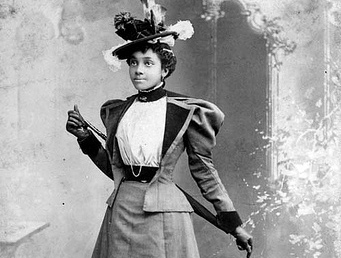
Before the hot comb and smoothing ointments became the must-have hair products for women of color at the end of the 19th century, black women primarily wore their hair in its natural state. The evidence can be seen in a formerly lost now historic of images of men, women, and children taken by white Tallahassee photographer Alvan S. Harper.
His remarkable body of work is owned by the State of Florida, and a portion of it is on view at the Florida Museum, in the exhibition, “Portraits of African Americans: From the Alvan S. Harper Collection (1884-1910).”
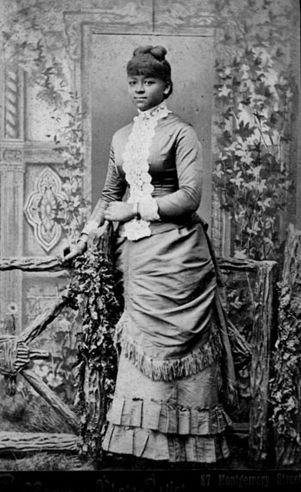
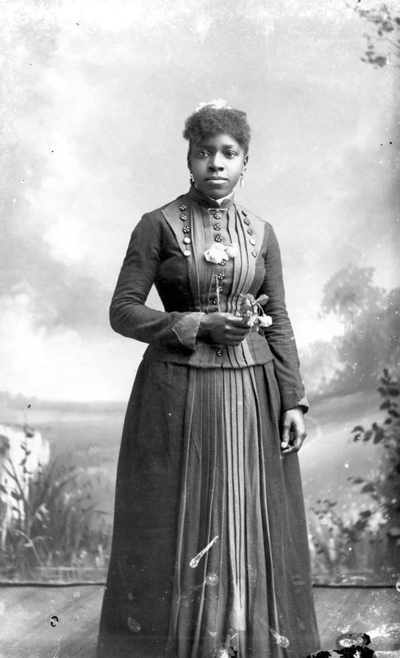
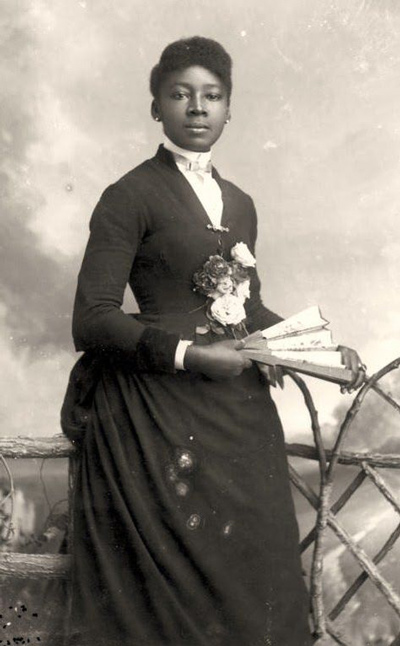
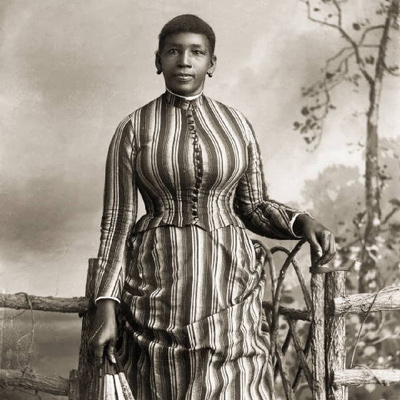
Described as capturing Leon County’s middle-class Black community of entrepreneurs, local leaders, teachers, and others, the exhibition reveals more. It shows a people of regal beauty exuding pride of culture, all hues, standing strong though caught between two trying periods — the end of the Reconstruction Era and the beginning of the Age of Jim Crow.
When Harper opened his studio in the late 1800s, men and women of color rushed to it, taking with them, their unshackled crowns of raw, rich glory. These images, and other photos, art and journals — recently discovered in the dust of American History’s floor — are the missing memory chips for the 20th-century’s Black is Beautiful and 21st-century’s Black Lives Matter movements.
Today’s community-based collaborations formed by such organizations as the Natural Hairstyle and Braiding Coalition, BKLYN Commons and NYBeauty Suites, noted in the above story, come naturally honest and are inspired: although separated by more a century, the professionals of today and yesterday share a basic objectives: to prosper and to pass the legacy of a rich heritage legacy on to the next generations.
At the heart of the shared mission of those 19th century professional and business leaders in northwest Florida is the quest to preserve culture. culture preservation. Which is the reason we should support them.