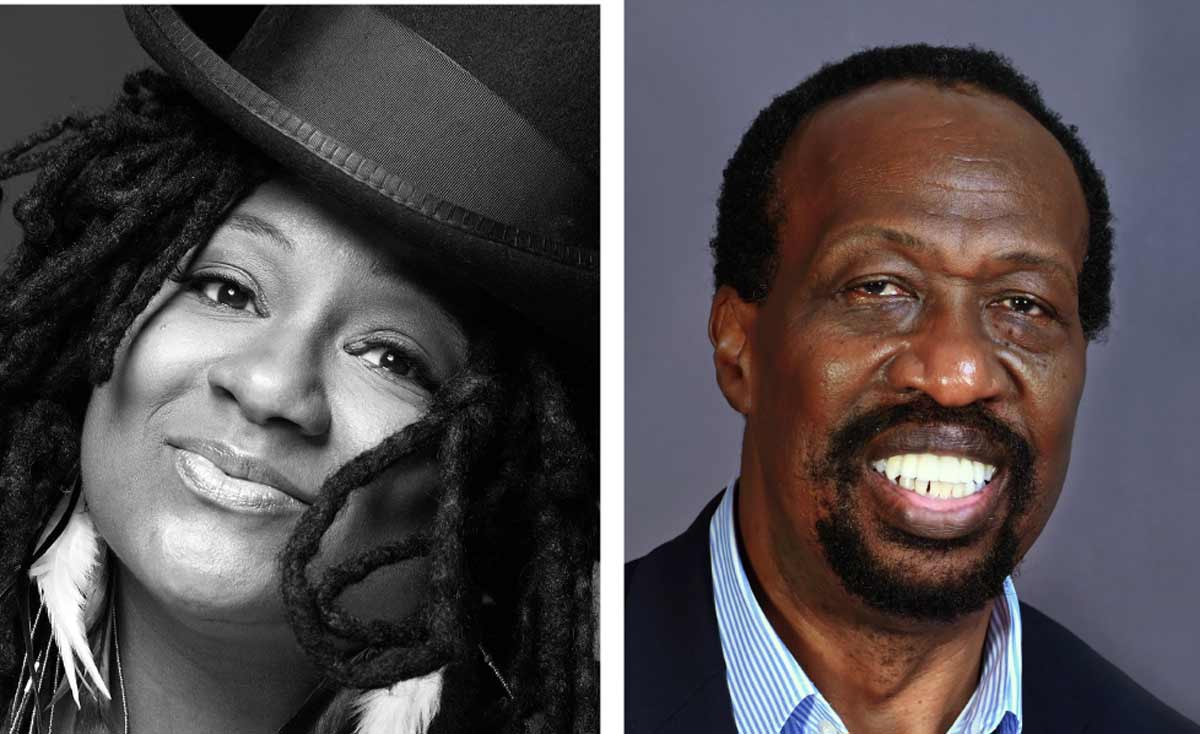
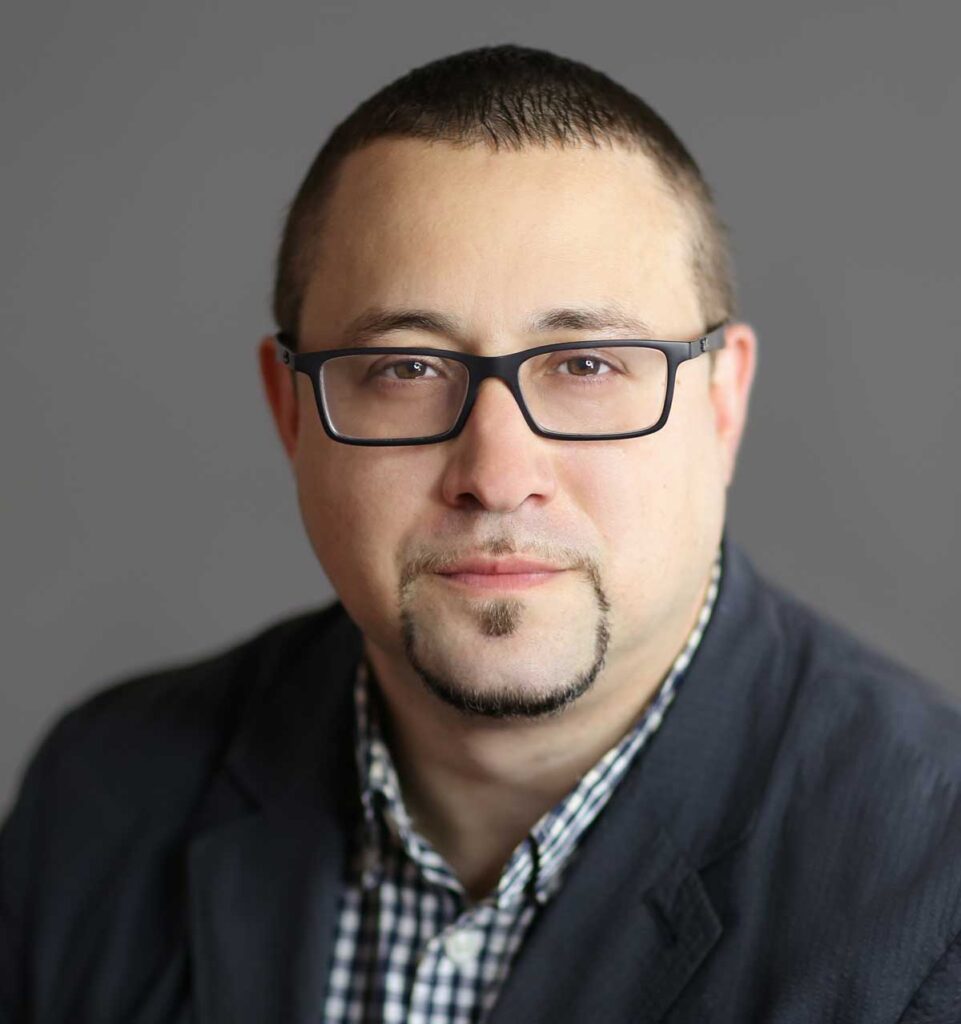
Fern Gillespie Black-owned businesses have recently captured the imagination of the media and marketing agencies. At last, Black entrepreneurs and their companies are being celebrated on talk shows, television commercials and high profile corporate partnerships. Historically, Black-owned businesses have had positive impacts on their communities. According to the Census, Black firms provided income for roughly 1.4 million workers in 2021. “These businesses generally employ more Black people than non-Black owned businesses, along with providing an example for the community that if you have a sound idea and can attract a buying market for your product or service,” said Terrence Clark, President and CEO, New York & New Jersey Minority Supplier Development Council (The Council), told Our Time Press. “You can develop a business which provides self-employment, along with employment for others.”
Clark has been on the frontline promoting and nurturing Black and minority-owned businesses for decades. Prior to joining The Council, he served as Vice President of Entrepreneurship and Business Development for the National Urban League. He sits on the Economic Impact Committee of Stonehenge Capital and on the Minority and Women Business Enterprise Advisory Councils for the NYC Comptroller and the NYS Governor. In 2021, he was named as one of the Notable Black Leaders and Executives by Crain’s New York. The Council, one of New York and New Jersey’s leading diversity business organizations, certifies minority-owned businesses that are Asian, Black, Hispanic, and Native-American to aid in creating corporate partnerships and collaborations. In addition to M/WBEs, The Council’s membership consists of Fortune 500 corporations, government agencies, educational institutions, and non-profit organizations. To Clark, business certification opens up more opportunities for Black business owners to grow. “For businesses that do business with other businesses, it expands opportunities to do business with private sector corporations that have expressed an interest in diversifying their supplier base,” said Clark. “It also connects these businesses to a national network of minority businesses and corporations that opens up potential teaming and joint venture opportunities. MBE certification through The Council makes you eligible to participate in all NYNJMSDC events, including seminars, and procurement fairs, as well as benefit from newly certified supplier orientations.” This February 2024, the annual report from the New York City Comptroller’s Office on M/WBE New York City agency contracts in 2023 stated that certified M/WBEs were only awarded only 9.8 percent of eligible contracts. This is down from 16 percent awarded in 2022. However, the majority of these M/WBE contracts went to businesses owned by White women and Asian men. Black M/WBEs represented only 1.16 percent of registered value contracts, Hispanic M/WBEs only 0.96 percent, and women-of-color combined was 1.03 percent. “There are several factors which include size of contracts,” explained Clark. “Many contracts with New York City are very large and out of the reach of many smaller businesses. The de-bungling of contracts which would make them smaller in size and dollar value would help. Also, better marketing of opportunities so that more businesses are aware of opportunities.”
Brooklyn-based ASHAY Media Group is a Black-owned boutique branding and ideas agency specializing in building culturally relevant and meaningful campaigns. The 24-year-old firm was founded by Cherise Trahan-Miller, Creative Director and her husband, Stephen A. TrahanMiller, Executive Producer. ASHAY has a deep understanding of diverse perspectives and experience using, design, social and print content, and branding and marketing campaigns that authentically engage with BIPOC communities. Client include: NBC Universal, CUNY, NYC Mayor Office, Essence, AURN, The Council, National Minority Supplier Development Council and many others. M/WBE certification is part of ASHAY’s business plan. The firm has been certified with the New York & New Jersey Supplier Development Council, New York City, New York State and National Minority Supplier Development Council. “Certification as a minority-owned business can be advantageous for Black businesses. It provides them access to various government programs, contracts, and procurement opportunities, promoting diversity and inclusion. It also helps to increase visibility, credibility, and networking opportunities within the business community,” Cherise Trahan-Miller explained to Our Time Press. “Additionally, certification can serve as a tool to combat systemic inequalities and discrimination by creating a level playing field and encouraging equitable business practices. However, it is crucial to note that certification alone may not be enough to solve all the challenges that Black businesses face. Broader efforts are needed to address systemic barriers and promote equal opportunities.” Entrepreneur veteran Trahan-Miller points out that Black-owned businesses in New York City have several significant challenges that limit their growth and success. “These challenges include difficulties accessing capital, lack of support and resources, systemic inequalities and discrimination, and limited visibility and marketing opportunities,” she said. “A comprehensive approach is necessary to address these issues effectively, which involves the government’s support, community initiatives, and efforts to promote equity and inclusivity in the business ecosystem.”
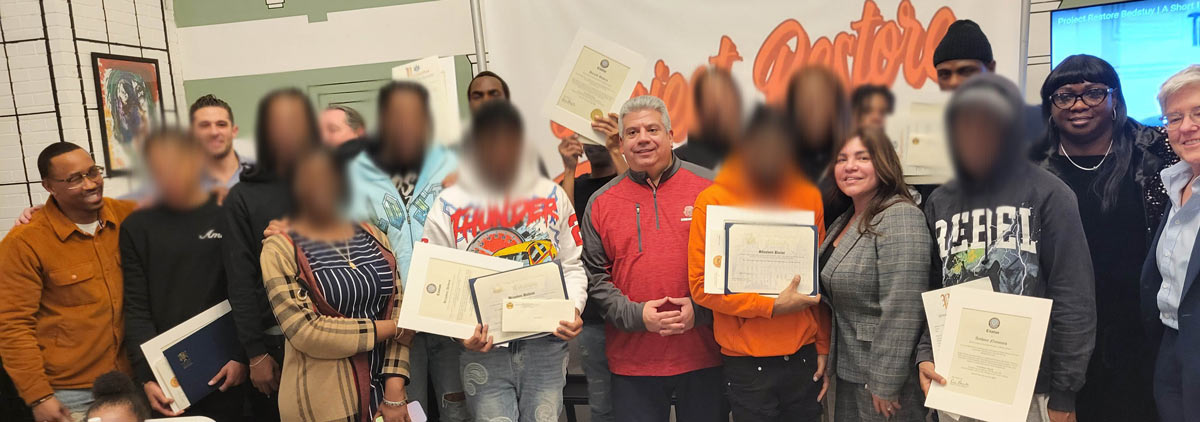
By Mary Alice Miller Thirty Bed Stuy gang members graduated from a first-of-its-kind anti-violence program funded by District Attorney Eric Gonzalez. Project Restore, a collaboration between Bridge Street Church, Columbia University, and Inside Circle, was created after the 2021 takedown of members of two local gangs. Fifteen young men from two gangs were invited to participate in the program. They were paid for participating, received an internship and other job opportunities, and mentors and case managers who worked with them. These men are not part of the indictments, but they are believed to be part of those two gangs. The idea was to reach them before they get ensnared in those types of gang indictments and steer them into a better place. DA Gonzalez gave heartfelt words to the young men who successfully completed the program and shared his experiences as someone who grew up in Brooklyn. “To our graduates, I stand here not just as the elected District Attorney but as someone who understands the path you’ve walked. I grew up in circumstances not too different than yours, surrounded by challenges that could have easily defined my future.,” said Gonzalez. “A lot of my friends ended up in prison. I lost loved ones, including family members, to gun violence. I’ve felt the devastating impact of this violence firsthand, and I understand the courage it takes to choose not to respond to violence in our lives with still more violence but to choose a different path.”
Gonzalez spoke of people who took a chance on him by enrolling him in a mentorship program, just as he took a chance on them. “If it weren’t for a few people who took a chance on me, I wouldn’t be here today. Someone took an interest in me and helped me see that I could have a future that was bigger than what I could have imagined for myself at that time. That was a turning point in my life; without that intervention, my life could very easily have taken a different turn,” he said. “As the chief law enforcement officer in this county, it was a risk for me to be part of this project and put hundreds of thousands of dollars from my own office’s budget to make it happen,” said Gonzalez. “I took the risk because I believed in the potential within each of you to rise above the history of violence that has caused so many young men in our community to be killed or go to prison and to instead become leaders in your community, people with the skills and abilities to make your community better.” After the 2021 gang takedown, the DA’s office sent a letter to housing associations, community groups in the area, and elected officials. The letter was sent on the day of the takedown to communicate with the community what happened and the actions that were taken. The community was invited to have a conversation about needs and concerns. A Youth Summit was held to allow young people in the community to talk about what safety means to them and what they need to be safe. Project Restore emerged from those discussions.
“I knew that the community was right when it said that if we want lasting safety in our communities, we need young people like yourselves to have the kind of opportunities I had. I was glad to be a part of a project that provided those opportunities,” DA Gonzalez said. “It’s not what most people think of as the job of a DA, and I don’t think any other DA in the country has done something like this. It reflects my view that traditional law enforcement responses to gun violence can only ever be one part of the solution. I am so grateful to members of the community who trusted us to be their partner in imagining and then manifesting another way of responding to violence. I am so very proud of this program and all of you.” Assemblywoman Stefani Zinerman also addressed the graduates.
“You made a decision to join this wonderful program and partner with these community leaders to make a change in your community. That is something to celebrate. I am looking at each and every one of you and thinking about my hopes and dreams for this community as your assembly person, the person who represents you in Albany,” said Zinerman. “Through this program, you have restored this community’s faith in all the young men who look like you. I want you to tell me what inspired you about this program and tell me what you want to do next. It’s not over just because Project Restore has come to an end. This is the beginning of your next steps. Thank you for trusting this process.” DA Gonzalez expressed his pride in the young men and what they accomplished. “You’re applying for jobs or already have them, you’re getting your G.E.D.s, and some of you are heading to college. You’re stepping up as fathers and as leaders in your community.,” said Gonzalez. “I know that throughout this program, you faced difficult moments that tested your resolve. but the fact that you are all sitting here today is a testament to the fact that true strength lies in choosing peace over violence, dialogue over conflict, and hope over despair.” DA Gonzalez reminded the young men that “your actions have the power to inspire and lead others who look up to you. What kind of man you choose to be from this point on will affect not only you but your younger siblings, your children, and – I don’t think it’s an exaggeration to say this – our community for generations to come. Congratulations on this incredible accomplishment. we believe in you, are proud of you, and can’t wait to see the incredible things you will achieve.” DA Gonzalez is working to obtain financing to replicate the program in other neighborhoods.
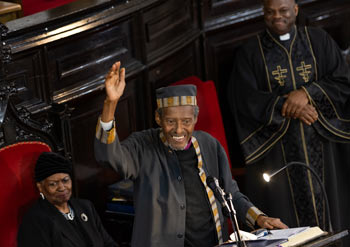
During the homegoing services of Dr. John Flateau* on January 10, 2024 at Bridge Street AME Church, New York City leaders honored the legacy of the visionary leader who influenced their lives, their work, his community and the State of New York. Dr. Flateau dedicated his life to public service and assuring all New Yorkers were fairly represented in government. He was a former commissioner of NewYork State’s Independent Redistricting Commission. Part I of II
Hon. Velmanette Montgomery, Ret. Former New York State Senator (District 25) “He Moved Us Forward, Showed us how to Fight” This is really more than a loss of a person. It is the moving on of an era. We will certainly miss him as a friend, as a colleague, and as a person who has been so instrumental in so many of us being here with you as elected officials today. When I think of John, I try to think of little things that are of particular meaning to me in my relationship with him. There were two points in our politics that I want to mention. One was the year that we unfortunately had the experience of Al Vann being thrown off the ballot. Frank (Seddio), do you remember? It was a crisis in Black Politics because we had lost our leader possibly, potentially. But it was John Flateau who organized and corralled all of us. Annette (Robinson), where are you? Do you remember?
To get out in the street, to be organized, to be consistent, persistent. He created little cards for us to give out saying to people, “this is about the man, not the party”, and he taught people how to move over to the last part of the ballot and vote for Al Vann first. That was the first time that Black Brooklyn elected someone who was not on the Democratic line, but someone on a minor party line, and we got Al Vann elected anyway. Isn’t that beautiful? That’s history being made while we work. Because we forget history. We think that it’s way in the past, but this man was a young guy who was committed and dedicated to moving us forward politically. The next time we had a crisis, we needed to have the liberal line in order to elect, at that time, her first City Council run. Tish James. Tish James didn’t have a line. She was not on the Democratic line. She was on the Liberal line, on the Working Family party line. We went to the working family party and said, “We need your line for Tish.” She was the first person to be elected to the city council on a line other than the Democratic line. Tish James. That’s history, our history in Brooklyn. Who was part of that? John Flateau. Because he could organize. He could look at the numbers. He could tell us where to go. He could tell us how to do it. He understood the process. That’s so important. We didn’t have a press conference about it. We had a meeting about it, and John would say, “This is what we need you to do. So, get out there and do it.” That’s what we did.
It is so important to have a leader who is a good follower, who is a good visionary, who understands the process, who is going to give you the possible when it looks like impossible. That’s who John Flateau was. That’s what he means to us. And when I think of him, it’s the passing of an era, because we were not afraid in those days. We did not shrink from obstacles. We confronted them. We understood the system. We knew the connection between politics and policy and that it was important to us in moving forward. We didn’t get here just because we had parties. We got here because it was hard work, it was determination, it was vision and it was people. I see Esmeralda is here. Esmeralda is history. Thank you, Esmeralda. Esmeralda Simmons. We can say thank you everybody.
I just want to say thank you. Condolences to the family but thank you, thank God I am part of this opportunity to have lived and seen and been partnered with John Flateau. He is part of, not only my history, but he is part of the history of the people in this borough, in this state, both black and brown all across the state, because what he represented to us, to show us how to fight for the districts so that we could be here. That was him. That was Esmeralda. That was the Reverend Herbert Daughtry. The first bus to take us to Albany was sponsored by Reverend Daughtry. We’ve been doing this a long time. I thank John Flateau for being one of us, who was committed, not for the money, because I just remember Al Vann begging for money for us to pay the rent on the office. It wasn’t about the money. It was about our future — all of the young people that I see here. I’m just so proud of them, but I want them to understand and to know, we still have a long way to go. Our people still depend on you. I depend on you now. So, don’t leave us without vision, without passion and without understanding people like John Flateau. History is very, very significant. Don’t forget your history. Thank you and God bless you. Rest in peace and power to John. Thank you so much. Thank you. Thank you. Thank you.
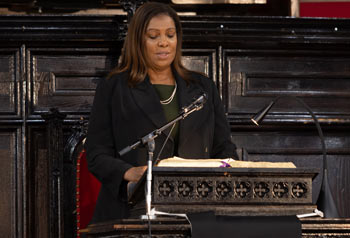
Letitia James, Attorney General of New York State “Data was his Weapon” I and some elected officials who are here this morning are direct beneficiaries of the brilliance of Dr. John Flateau. My political views were informed and shaped by his vast body of work. His analytical and data-driven approaches to complex issues were building blocks for Brooklyn and the city. He framed issues based upon his lived experiences, and government, and private information. Data was his weapon. Strengthening voting rights, data. Expanding political representation, data. Reforming the prison industrial complex, data. Changing educational outcomes, data. Eliminating housing discrimination, data. Addressing economic disparities, data. Stopping police abuses, data.
I’ve heard from so many elected officials this past week who recall his workshops and orientation on issues and policies, and practices that impacted black Brooklyn and this city. His legacy will forever be studied by the next generation of leaders. Leaders who will read with rigor The Prison Industrial Complex, Race, Crime and Justice in New York, Author, John Flateau; Black Brooklyn, The Politics of Ethnicity, Class and Gender, Author, John Flateau; Young Lives, American Dreams, African Americans and Caribbean Youth in Brooklyn, Author, John Flateau, and so many lessons in journals and essays, too many to mention. He was a member of the intellectual elite, but somehow, he maintained that common touch. You see Dr. Flateau was committed to a more inclusive and representative Democracy. If we are going to honor his legacy, each one of us must ensure that his body of work was not researched in vain. We must fight against efforts to stymie voting rights and restrict access to the franchise, efforts to undermine diversity, inclusion and equity; efforts to eliminate opportunities in higher education, because Dr. Flateau … fostered an exchange of ideas and promoted civil discourse, and we, all of us must safeguard those rights in honor of Dr. John Flateau.
If we continue to analyze the data, we can correct the broken criminal justice system that grinds the hopes and dreams of black and brown people, and further, widens racial disparities. John would have wanted us not to stand idly by and allow anyone to subvert or restrain our voices and democracy, or limit our seats at the table of power. He would have wanted us to challenge those fearful of the color of change. Dr. Flateau refused to drink from the wine of the world. He was focused, deliberate, and simply authentically black. If we can continue to say his name, and read his works, and fight for a more perfect union, then he will never die. We will continue to march on until victory is won. Rest on John, in peace and in power.
You brought us this far. Now, it’s up to all of us. Now, we release you to the ancestors. When you get there, say hello to Al Vann. Say hello to Major Owens. Say hello to Jitu Weusi. Say hello to our first black mayor, David Dinkins, because now the struggle John, is not in your hands. It’s in the hands of the leaders that you created, those who you molded, those who you mentored, and those who will now lead us forward. That, my friends, is our article of faith. With that, we will all cry out for justice. Rest in peace, John.
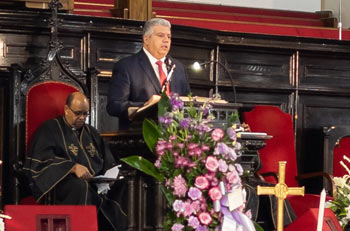
Eric Gonzalez, Brooklyn District Attorney “He Uplifted Us to Positions of Power” The collective of sorrow of the church — as people came in, paid respects, as we speak today about the man that Dr. Flateau was and what he meant to this community and what he meant to all of us in our individual capacities, it’s tremendous grief but it’s also a rejoicing of a life well-lived. Dr. Flateau embodied what it meant to live a life of service. He was a keen reader of politics. He was the stalwart for justice and the champion for education. Dr. Flateau is rightfully recognized at this church as the giant of Bedford-Stuyvesant, of Central Brooklyn, of New York City. He touched on so many disciplines, all the disciplines that really mattered to make sure that black people, Latino people, people of color in this city got a fair shake. He never sought the spotlight for himself. He was a wise counsel. He was an inspiration. Today, we have so much of the leadership of our city and our state represented here in church to say thank you to the family for sharing your husband, your father, your brother.
He, as we now have learned, and sometimes it’s a generational thing but Council and Chief of Staff to David Dinkins, a brother and a fight to the Honorable Annette Robinson, the late great Al Vann, and to my mentor, DA Ken Thompson. When I ran for district attorney, John sought me out. I said he sought me out, and that was not by accident because he wanted to make sure that the path of justice in Brooklyn would stay strong. He understood what I was asking. My goal as district attorney was to make sure that we continue to restore trust in our law enforcement systems. That our community could never really feel safe, could never actually be safe if we didn’t trust our justice system. When I turned to him for help, he helped create what I call the Safety Plan for Brooklyn. You see, when I became DA, I issued a report. It’s called Justice 2020 but really it laid out the goals of Dr. Flateau. What could the justice system look like if we centered fairness as the central focus point of that system? In that, we talked about the school to prison pipeline. How do we shut that valve? How do we prevent people from making money on the incarceration of black and brown people? These were so central to the work, and as we continue to fight for a safer Brooklyn, it’s never been lost on me as District Attorney that we can never truly feel safe unless our justice system continues to fight and center people’s lives. The humanity in people’s lives are the core elements of what justice is really about. A sense of justice has to be that we’re going to be treated fairly. For me, Dr. Flateau was a mentor as well. He talked to me about how we move this system. Brooklyn has progressed, and I’m a son of Brooklyn. I grew up and was raised in Brooklyn. My family came from Puerto Rico to Bedford-Stuyvesant and to Williamsburg and I ultimately grew up in this New York in Brooklyn. I remember what Central Brooklyn was like when I attended school in Bedford-Stuyvesant, when I attended school in East New York and in Coney Island when I went to high school. We’ve made a lot of progress Brooklyn, but it was leadership like Dr. Flateau who uplifted so many of us to positions of power today.
I take this moment in front of all of you to say, as District Attorney, I recommit myself today and every day to that mission of Dr. Flateau about making the justice system work for all people. Very importantly, in the mission of Dr. Flateau was to bring black and brown communities together, because if we were going to really create a fair and equitable justice system, we had to speak to the values of our community. These values of justice and safety, that no child should ever lose a life to gun violence in our city is so on point. I recommit to this community today that we will continue to do the work together, and there’s a lot of partners in here. There’s a lot of partners in fighting gun violence where part of that fight is to do that with the community leading the way.
Once again, I offer my condolences personally, but I don’t think that everyone knew in the community how much Dr. Flateau touched lives. How many of you understood how — and I know that his sons mentioned that — his work is really being carried out at different areas: Medgar Evers College, Attorney General Tish James office and the work she’s doing in fighting for redistricting and all of the work that we have been doing locally in our justice system. And that it is his thinking, his teaching, his motivation, his lessons that continue to push forward this city. So, thank you family, thank you all of you who feel that emotion. Know that the work continues, and as your DA here in Brooklyn, I pledge that we’re going to continue to move our city in a fairer direction and we’re going to continue to make the lives of Brooklyn residents safer. Thank you, church.
The Rev. Dr. Herbert D. Daughtry National Presiding Minister The House of the Lord Churches & Civil Rights Activist “Priceless. He Made a Difference” All of the speakers were eloquent and persuasive, touched on many, many aspects of John’s life. I’m thinking what can I add? What is there that has not been said? Therefore, I wouldn’t feel so guilty about taxing you for more time. There was a gang of four, they called us Al Vann, Jitu Weusi, Sam Pinn and myself. But let me tell you, there was really a gang of six; a female leader, Annette Robinson, and a male leader John Flateau. They were consultants. They were part of our regional organizing. We set out — and Velmanette Montgomery, thank you for taking us down the corridors of history. You were so gracious recognizing all of us. It just seemed unthinkable that there could be so many people of African ancestry in Brooklyn and we were so powerless, at the time. I’m talking about 1976. Then, a young lad named Randy Evans was killed, shot in the head in 1976 November. The following year, the jury pretty much acquitted the officer who did this, and we built a movement. The four of us has been meeting for months, trying to think through and analyze this scene in Brooklyn, when this happened. We stepped forward with plans to how we were going to build a movement and out of the movement, we were going to build a power base.
We would meet at each of our homes and try to think it through. We built the movement. The next year, Arthur Miller, June 1978, was killed, choked to death. That further fueled the movement and the demand that there be unity. We built the Black United Front. John Flateau was the consultant to the Black United Front. He was the go-between between myself as the pastor at the time and Assemblyman Al Vann. It was the English poet Lord Byron who wrote a poem called An Elm in the Churchyard and one stanza stands out in my mind, increasingly so as the years go by. He said, “What is the worst of woes that wait on age? To view each loved one blotted from life’s page, and be alone on earth, as I am now.” I sat and think of all of the strugglers who are gone, in particular Al Vann. My wife and I, Dr. Karen was with Al in the last days of his life, last day of his life. We talked, and Al said to me and my wife, “We made a difference, didn’t we?” Yeah, and I pointed to him and I said, “Yeah, man, you made a difference.” With tears in his eyes, he shook his head and got up enough strength to say, “No, we, we made a difference.” I mention that because John made a difference. All the glowing tributes that we’ve heard and that we could go on. He made a difference. The many elected officials that you see here, Black in this power and black, but help me, a simple man who does not understand the complications of politics — how can we have so much power … and gentrification? Help me, somebody please after this is all over. But John, he made a difference. We made a difference in Brooklyn.
In his quiet way — and he was always straightforward, firm – (he would) never hesitate to say, “You missed the mark. You’ve come up short.” People who are not afraid to tell you the truth about yourself, they’re priceless. John would do that. I was pleased to hear of the different political changes that have come about, but he was also a profound, deeply spiritual man. I knew, as we would have prayer together and confer with each other together. I could go on and add to the tributes but you know, I was thinking of another son of the Caribbean, Marcus Garvey, who said, “Look for me in the whirlwind.” I thought, “I don’t know that that would be appropriate for John, the whirlwind.” Maybe look for him in the quiet movement. In every classroom. Look for him, yes, at Medgar Evers. I thought finally of a biblical story of a prophet that God had called to have a conversation. The wind blew and the hurricane came but the Bible says no, he was not there. When it became quiet, then God and the prophet Elijah had a conversation. John, quiet, yeah, but I know he could raise his voice too, but quietly and effectively.
We will miss him very much, John used to say, “I don’t want to die in shallow waters. I want to die in the deep. Take me out in the deep.” To the family, and to all of us, I’ll conclude with the quote (from Shakespeare’s play Hamlet), “may flights of Angels sing you to (your) rest.” And when John has landed at the great white throne, the Bible tells us, may he hear the Lord say, “Well-done thy good and faithful servant. You’ve been faithful over a few things. Now, enter into the joy of the Lord.” So, we say with Apostle Paul, “John, you fought a good fight. You finished your course, and you kept the faith. Henceforth, there is laid up for you a crown of righteousness which the Lord, that righteous judge, shall give you on that day.” If you be patient, I’ll be coming home soon.
On Sunday, February 25, 2024, the National Association of Kawaida Organizations (NAKO) in conjunction with the International African Arts Festival (IAAFestival) will commemorate and celebrate the 55th Anniversary of the founding of the EAST Cultural and Educational Center for People of African Descent with a showing of the documentary, The Sun Rises In the EAST. It will be followed by a presentation by Dr. Segun Shabaka, a former member of the EAST and current chair of the IAAFestival and NAKO, and a discussion.
The EAST was a multi-faceted community institution dedicated to Kawaida Cultural Nationalism and Black Power, self-determination, self-defense, and self-respect. The Kawaida philosophy and its guiding principles (the Nguzo Saba) undergirded and facilitated the institution’s building of several institutions, including a school, daycare, cultural center, co-op, a major music venue as well as the current International African Arts Festival. Almost from its inception, the EAST Cultural and Education Center for People of African Descent adopted Dr. Maulana Karenga’s Philosophy of Kawaida (Tradition and Reason), defined as an ongoing synthesis of the best of African thought and practice in constant exchange with the world. This program titled ‘The EAST and Black Power’ will be a visual walk into the history and culture of the organization as well as its local, national, and international activities. The EAST Family, as its members defined themselves, had a global reach that still resonates today. The program will look at some of these. The February 25th program will take place from 3 pm to 5 pm, at 1360 Fulton St., Brooklyn, NY, Suite 401. For further information and to reserve your seat, please call 718-789-3264; 718-638-6700 or email nakoinfogroup@yahoo.com
By Fern Gillespie Black churches and Freedom Schools are now the sites where frustrated Black Florida residents are bringing family and friends to take uncensored classes on Black History. In retaliation to Florida Gov. Ron DeSantis’ refusal to have AP Black History, banning over 1000 books on race and criminalizing how race is taught in public schools and state colleges, almost 300 churches in Florida have created Black history programs in their communities. Volunteer educators hold weekly classes spanning American slavery, Jim Crow, Civil Rights, Black Lives Matter, and mass incarceration. The nonprofit group Faith in Florida created an online toolkit with books, videos, and other resources about Black history. It includes dozens of books like Ta-Nehisi Coates’ “Between the World and Me” and Michelle Alexander’s “The New Jim Crow”; documentaries like Ava DuVernay’s “13th” and CBS News’ “Trayvon Martin: 10 Years Later”; and lists national and local museums on Black history and culture across the country.
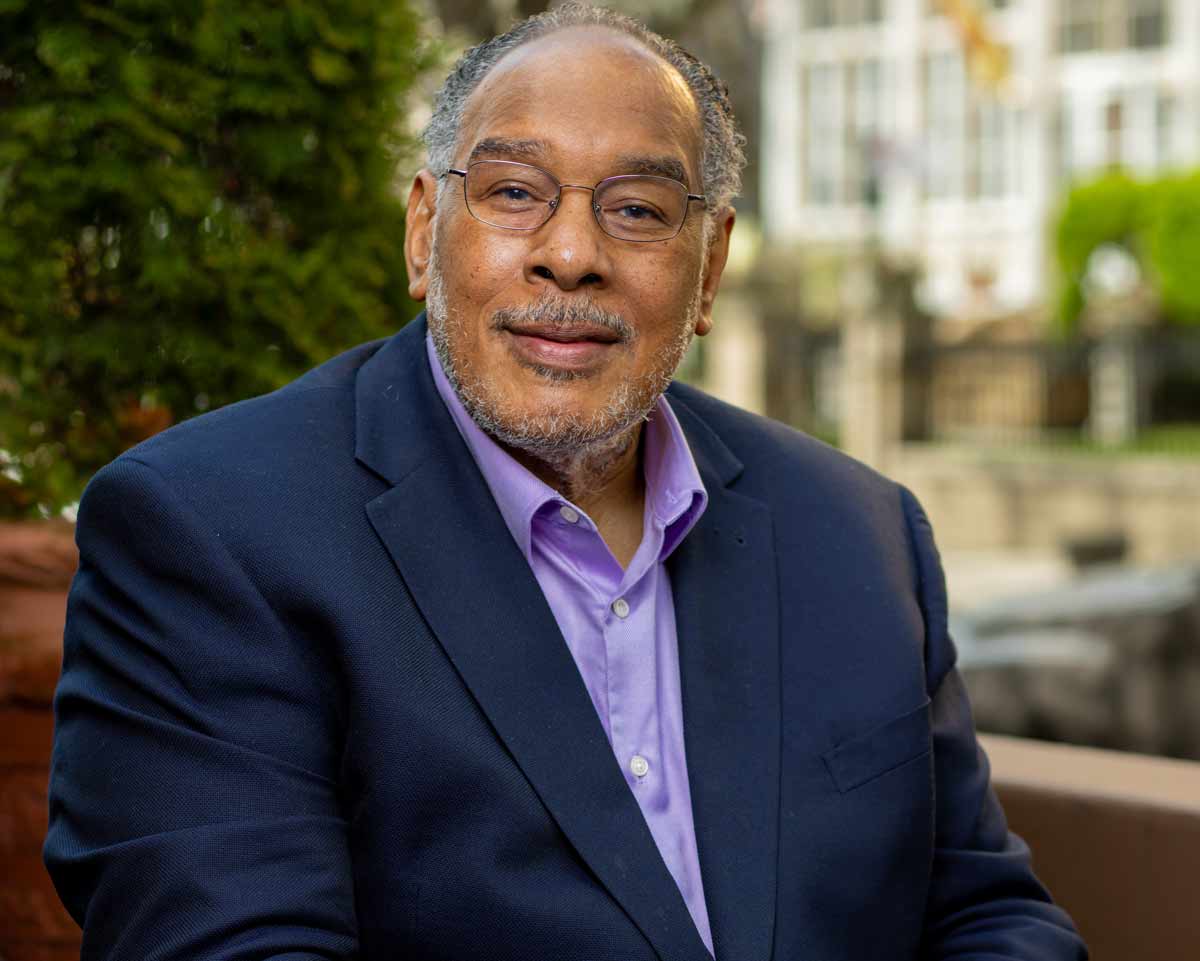
Zebulon Vance Miletsky, Associate Professor of Africana Studies at Stony Brook University
The Association for the Study of African American Life and History (ASALH), where founder historian Carter G. Woodson launched Black History Month, has opened Freedom Schools, which were part of the Civil Rights Movement. “The Association for the Study of African American Life and History has branches in Florida that have started up new Freedom Schools happening on the weekends,” Zebulon Vance Miletsky, Associate Professor of Africana Studies at Stony Brook University, who heads marketing for the Association for the Study of African American Life and History, explained to Our Time Press. “It’s especially important. The fear that went through Black teachers and educators in Florida is a real fear of not only losing one’s job but actually being arrested for committing a felony. That’s what people were told. This is not an exaggeration. These laws were passed in the Florida legislature because if you had state funding, which the schools do, they were subject to the State of Florida’s Department of Education’s standards and policies.” Freedom schools are not subject to mandates of the Florida Department of Education. “They’re independent. They are going back to a Jim Crow playbook. They are going back into the past. So, we have to dip back to our own playbook in terms of strategy and movement and organizing tactics,” said Miletsky. “Some of the legislation that’s been passed in an effort to invalidate all the work that’s been done on Black History. It’s really like Black American history has been outlawed. It sounds like a really crazy thing to say, but that’s exactly what’s been happening.” A Brooklyn resident, Miletsky specializes in teaching recent African-American History—spanning Civil Rights and Black Power, Urban History, Mixed Race and Biracial identity, and Hip-Hop Studies. He’s the author of “Before Busing: A History of Boston’s Long Black Freedom Struggle” and holds a doctorate in African American Studies with a concentration in History from the University of Massachusetts at Amherst.
“I delve into the movement era of the 1960s. The integration years of the 1970s. I look at how all those different factors played into the post-Civil Rights era after all the gains of the movement,” he said. “I examine the Nixon years. The years of Reagan and how that affected the black community with his welfare queen statements. It ties in with the 1980s drug wars. In the Clinton years, the president they said was the “first Black president” at the time, but when you look at his policies, you can see how centrist he was, and some of the laws that he signed were part of the building up of mass incarceration.” Working with his GenZ college students, Miletsky has some optimism for the next generation. “The generation that came through already took all the Black Studies courses,” he explained. “They were out there marching for George Floyd and saying Black Lives Matter. White and Black students were at the rallies and marches in solidarity. Our only hope is to affect the next generation.”