

Op-Ed by: Dr. Derrick Cheung, Chief of the Division of Gastroenterology and Hepatology at OBH
Colon cancer stands as the 4th most diagnosed cancer and is the 2nd leading cause of cancer-related deaths in America in men and women. African Americans bear a disproportionate burden of colorectal cancer. These disparities, such as risk factors, socioeconomic status, and healthcare accessibility, underscore the need to make changes. During the month of March, we take the time to bring awareness.
Since 1990, there has been an increase in younger patients being diagnosed with colorectal cancer, prompting the reduction of the screening age from 50 to 45 years old. Today, 1 in 5 diagnoses of colorectal cancer occur in people under the age of 55 and the rates are rising about 1-2% each year.
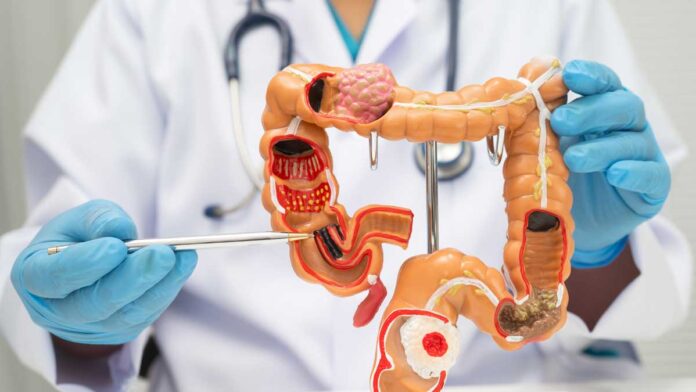
Colon cancer is one of the few cancers that can be preventable, and early detection is key! Colonoscopies can identify cancer early and remove precancerous growths or polyps, preventing the disease before it even starts.
According to the Centers for Disease Control and Prevention (CDC), several factors can increase a person’s risk of developing colorectal cancer:
Age 45 and older
Personal or family history of colorectal cancer or colorectal polyps
Inherited genetic syndromes, such as Lynch syndrome or familial adenomatous polyposis (FAP)
Inflammatory bowel disease, including Crohn’s disease or ulcerative colitis
Lack of regular physical activity
Diet high in processed meats and low
in fruits and vegetables
Overweight or obesity
Alcohol use
Tobacco use
We recommend screenings for all Americans over the age of 45. Speak to a medical professional if you have symptoms such as blood in the stool, new onset of diarrhea or constipation, stomach pain, bloating or unexplained weight loss, weakness or fatigue.
At One Brooklyn Health, our mission is to raise awareness within our community. We aim to spread information on risk factors and promote a healthy diet and lifestyle. The OBH team is committed to reducing the cancer burden within our community by breaking down the barriers to screening. One of the biggest misconceptions on colonoscopies is that it is painful.
We have a team of experts to help patients, and all our procedures are performed under the careful supervision of an anesthesiologist. We tailor each patient with a bowel preparation or stool test that works for them to make the entire process as easy as possible.
Once people are screened, it feels like a huge weight has been lifted off their shoulders and they become the best advocates to combat this terrible disease. Sharing your positive experience with colorectal screening by word of mouth is the best way to help ensure a brighter future for all.
The Division of Colon and Rectal Surgery at OBH is dedicated to providing state-of-the-art surgical care for patients with diseases of the small intestine, colon, rectum, and anal canal.
Utilizing the latest state of the art surgical techniques, our experienced specialists are committed to providing our patients with personalized treatment plans to ensure the best outcomes and recovery times.
Conditions that we treat aside from colon and rectal cancers, are inflammatory bowel disease, rectal conditions, including anal fissure, fistula, and more. If you are experiencing symptoms or are due for screening, don’t wait. Schedule an appointment, visit www.onebrooklynhealth.org.